
Attic Insulation Installation in NJ, NY & PA
Attic Insulation Installation Done Right
Professional attic insulation installers for fiberglass batt, blown-in fiberglass, and cellulose. We inspect first, air seal before installation, and give you a written estimate before work starts.
Full-scope installation
What your attic insulation installation includes
Full attic inspection
We inspect the entire attic before quoting. Insulation depth, ventilation, air leaks, moisture, old material condition. You see the photos before we scope the work.
Air sealing before insulation
Gaps around recessed lights, plumbing stacks, wiring penetrations, and top plates get sealed before any new insulation goes in. This is where most energy loss actually happens.
Ventilation baffles
Baffles are installed at every rafter bay along the eaves to keep soffit vents clear. Without them, insulation blocks airflow and moisture builds up.
Material installation
Fiberglass batt, blown-in fiberglass, or cellulose, installed to the depth and coverage the attic needs. The material recommendation comes from the inspection, not a price sheet.
Photo closeout
Before, during, and after photos of the full installation. You see what was done without climbing into the attic yourself.
Insulation types
Batt, blown-in, or cellulose
We recommend the material after inspecting your attic. Each type has situations where it performs best. Here is when we typically use each one.
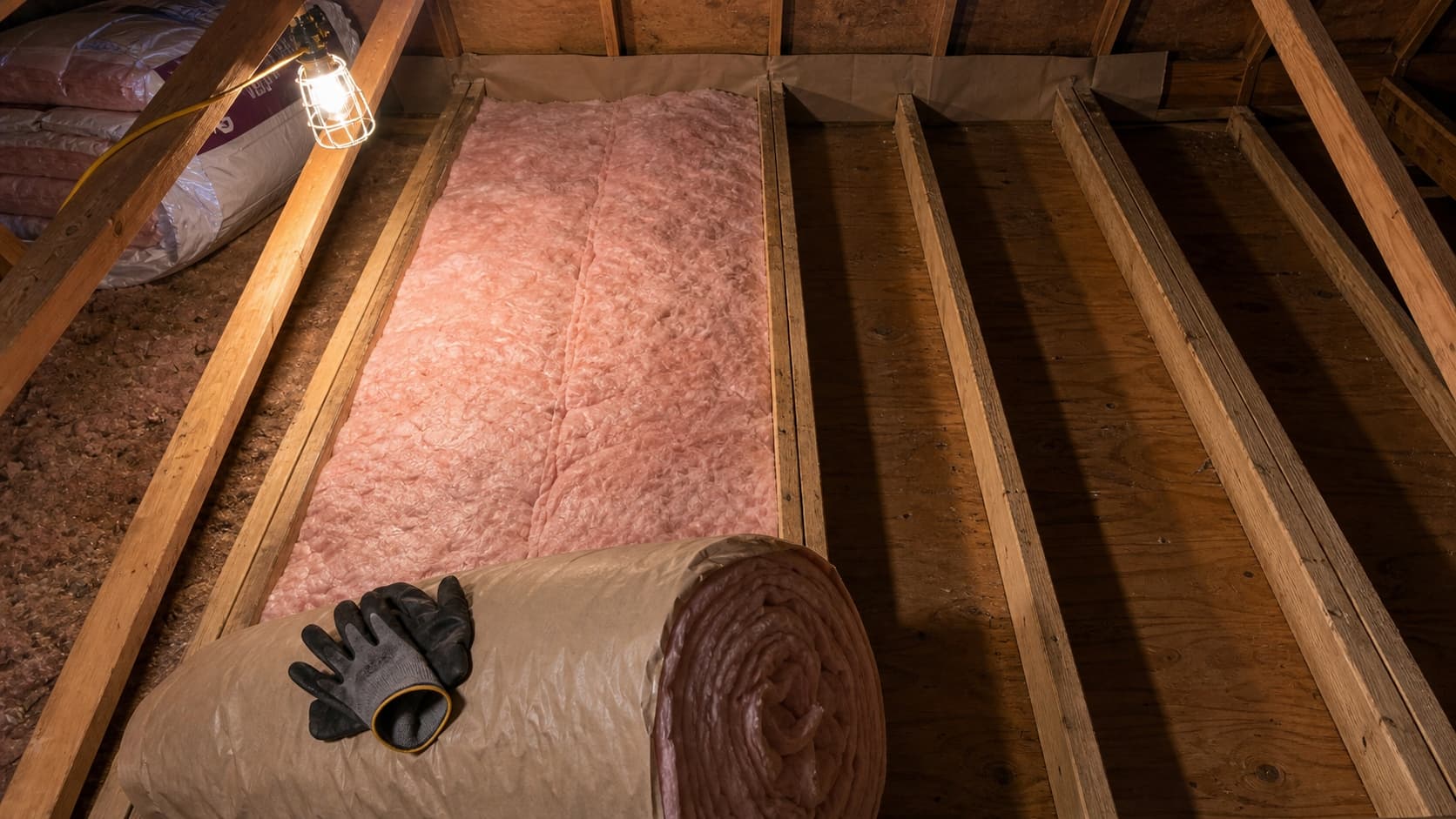
Fiberglass batt
Best when attic framing is standard, joist bays are accessible, and precision placement matters. Clean edges, consistent R-value per inch, and easy to inspect after installation.
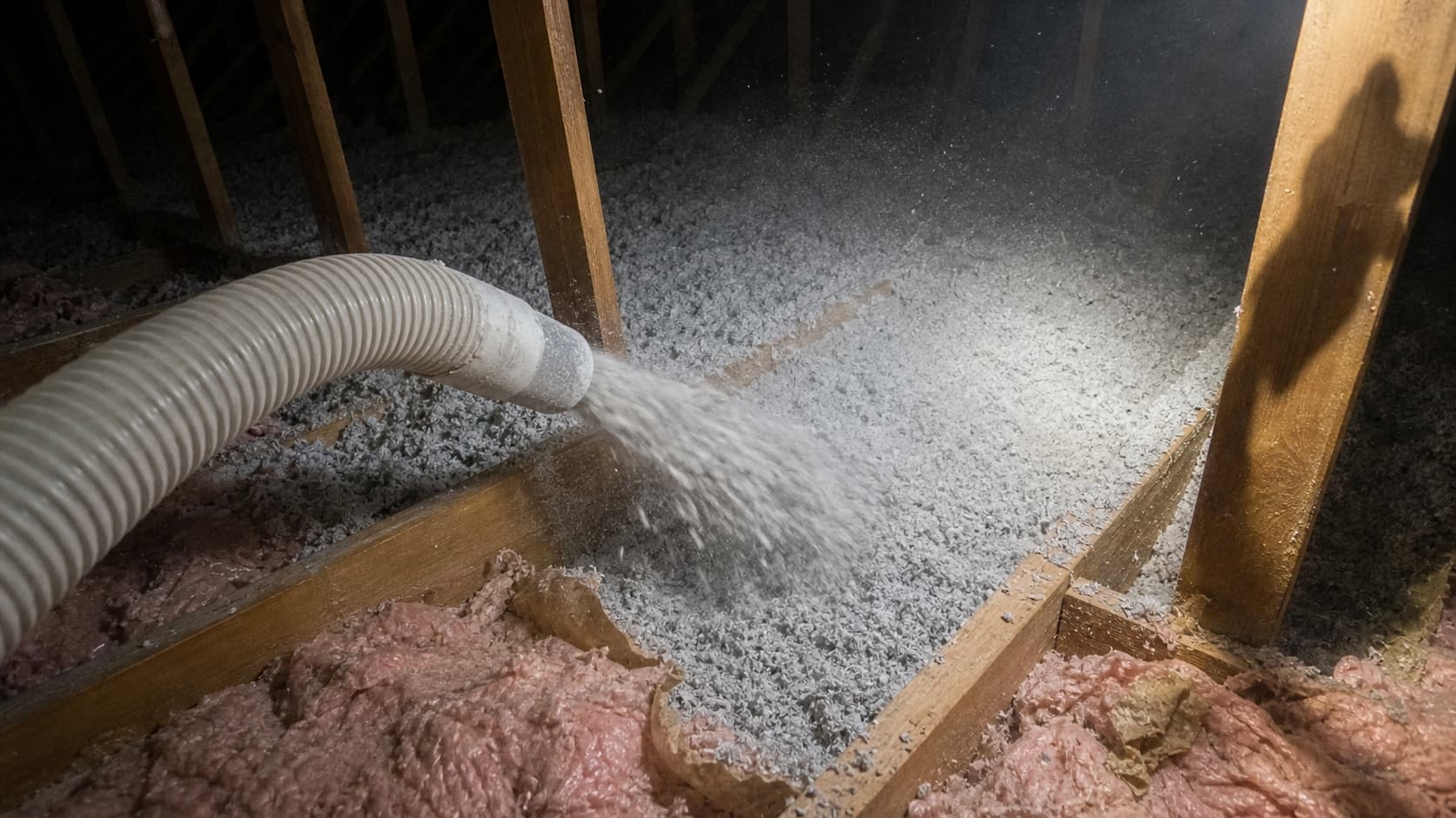
Blown-in fiberglass
Best for attics with irregular framing, tight spaces, or areas where batt cutting would leave gaps. Fills cavities completely and works well as a top-up over existing material.
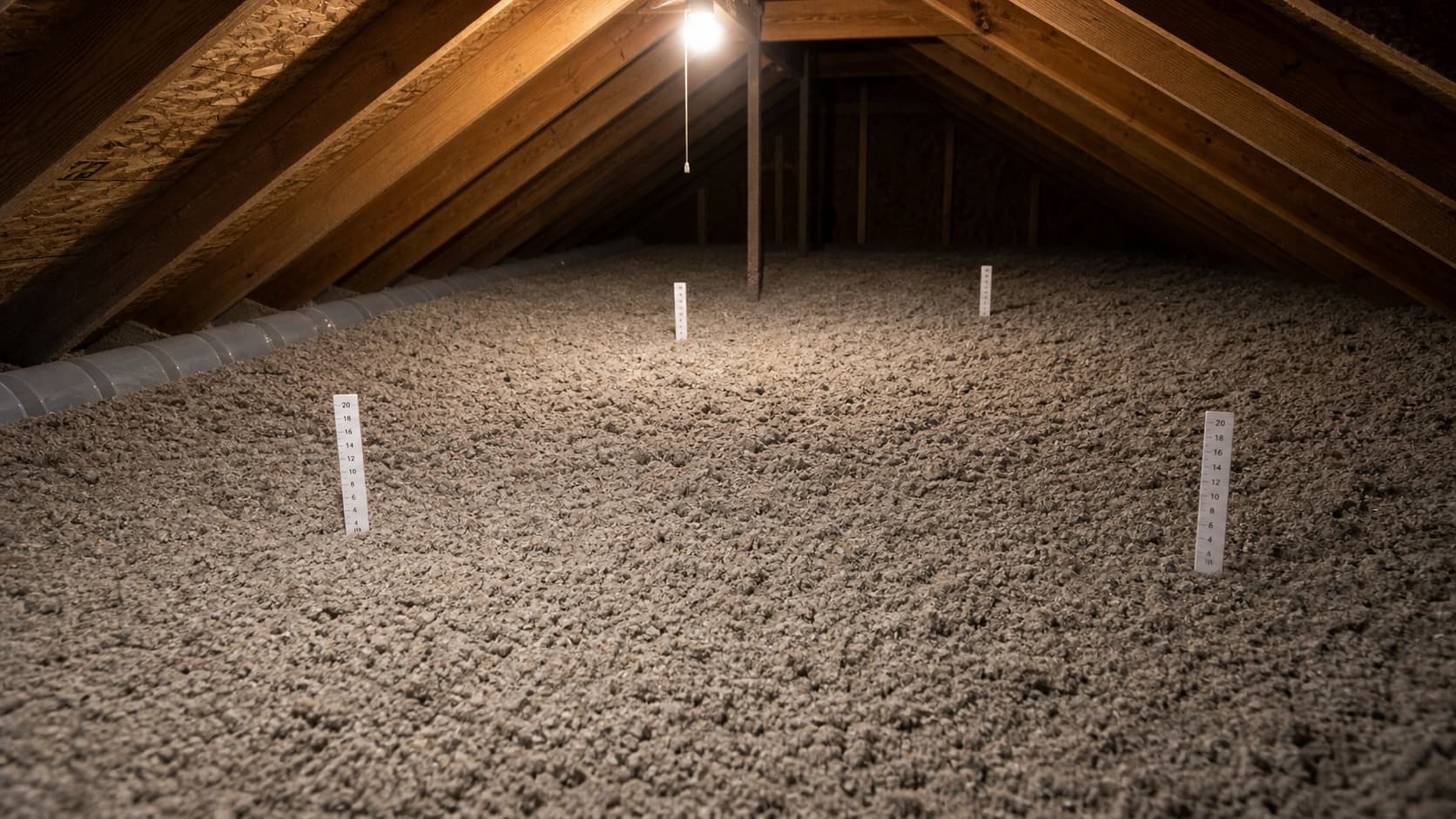
Cellulose
Dense-pack cellulose works well for enclosed cavities and retrofit applications. It settles over time, so depth at installation needs to account for that. We factor settling into the spec.
Why we inspect before we install
Installing insulation over existing problems is a fast way to bury them. We check the attic first so the installation actually performs.

Inspection catches what new insulation would cover up.
- Air leaks at can lights, plumbing stacks, and wiring penetrations waste conditioned air before insulation can do its job.
- Blocked soffit vents trap moisture in the attic, which leads to mold, rot, and premature insulation failure.
- Old insulation that is compressed, wet, or contaminated lowers the effective R-value of everything stacked on top of it.
- Odor sources buried under old material will stay buried under new material. Inspection catches them first.
- Existing pest damage or open entry points should be addressed before insulation covers them up.
Our inspection is free. You get the photos and the written scope before you decide.
Get My Free InspectionOur process
How attic insulation installation works
Inspect the attic
We check insulation depth, condition, ventilation, air leaks, moisture, and anything that should be addressed before new material goes in. You get photos and a written report.
Written scope and estimate
Material type, practical depth target, air sealing scope, removal needs (if any), and total cost. Everything in writing before you approve.
Prep and air seal
Gaps around can lights, plumbing stacks, electrical penetrations, and top plates get sealed. Baffles go in at the eaves. This prep work is what makes the insulation actually perform.
Install insulation
Batt, blown-in, or cellulose, installed to spec. Full coverage, correct depth, no gaps, no compression. The material matches what the inspection called for.
Photo closeout
Before and after photos of the full installation. Depth measurements, sealed penetrations, baffle placement, and final coverage. You see the finished work documented.
Documented work
Photos from recent installations
Every installation is photographed. Air sealing, baffle placement, and finished coverage. You see the work without climbing a single rung.
 Air sealing
Sealing penetrations before insulation goes in.
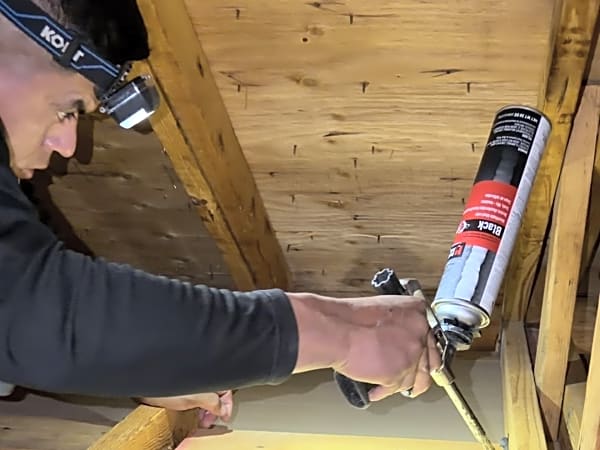 Foam sealant
Spray foam at gaps and penetrations for a tight seal.
 Baffle install
Ventilation baffles at the eaves keep airflow clear.
 Crew at work
Baffle placement along every rafter bay.

Baffles checked before insulation.

Air sealing documented.

Crew working in the attic.
What affects your estimate
What drives insulation installation cost
Every attic is different. We do not quote over the phone or use online calculators. Here is what actually affects the number on your estimate.
Attic size and access
Larger attics need more material and labor. Tight access points (small hatches, steep pull-downs) add time for material staging.
Material type
Fiberglass batt, blown-in fiberglass, and cellulose each have different material costs per square foot. The recommendation depends on what the attic needs.
Air sealing scope
Every installation includes basic air sealing. Attics with many recessed lights, plumbing stacks, or ductwork penetrations need more sealing work.
Removal of old material
If existing insulation is contaminated, water-damaged, or compressed beyond use, it needs to come out before new material goes in. Not every job requires removal.
R-value target
Higher R-value means more material depth, but existing homes should not be treated like new construction. We inspect the current attic and scope a practical target for that house.

Inspect first. Quote second.
Written estimate, no surprises
You get the full scope, material spec, and cost in writing after the inspection. The price on the estimate is the price you pay. No change orders unless the scope changes and you approve it.
Get a written installation estimate
Free inspection. Full scope in writing. No obligation.
Call (732) 351-2005