
Attic Insulation Services in NJ, NY & PA
Attic insulation for warmer winters, cooler summers, lower bills
We inspect the attic, remove old or damaged insulation when it needs to go, air seal, and install the right new insulation for your home. Then you get the full price in writing before any work starts. Free inspection, no pressure.
Comparing first? Batt, blown-in, or cellulose · What drives the cost · How the job runs
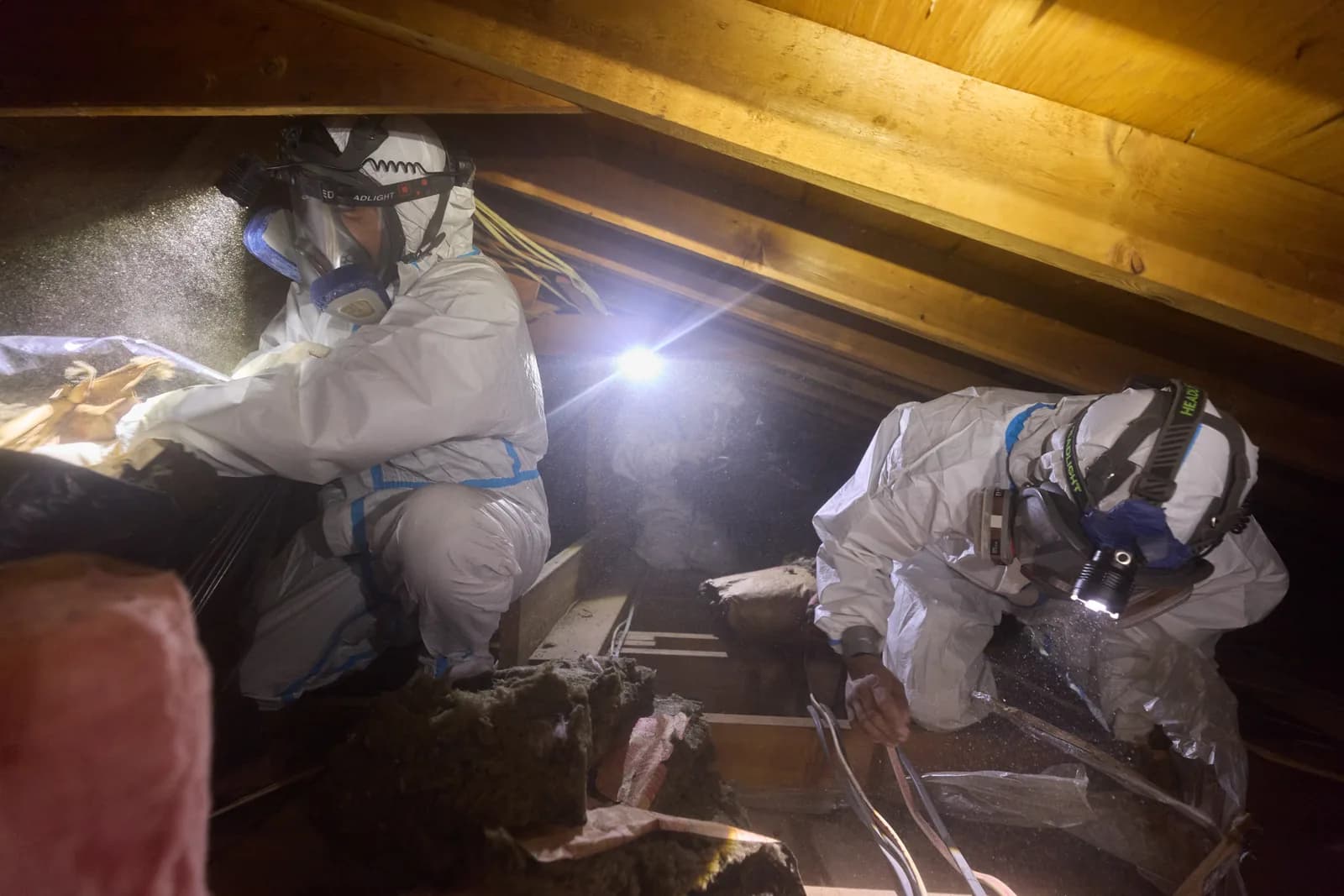
One crew handles the cleanout, air sealing, and insulation.
The short answer
Attic Fanatics does attic insulation in New Jersey, eastern Pennsylvania, Staten Island, and Rockland County, NY. We remove failed insulation, air seal, and install R-38 by default. NJ line items: removal $1.20 to $5.40 and new cellulose $1.68 to $2.28 per square foot installed. Free inspection, written estimate first; same-day generally available when the schedule allows.
Real AF jobs
One attic, one day
From the crew’s own job photos. Same attic, same spot, morning and afternoon of the same day.
 Morning
 Afternoon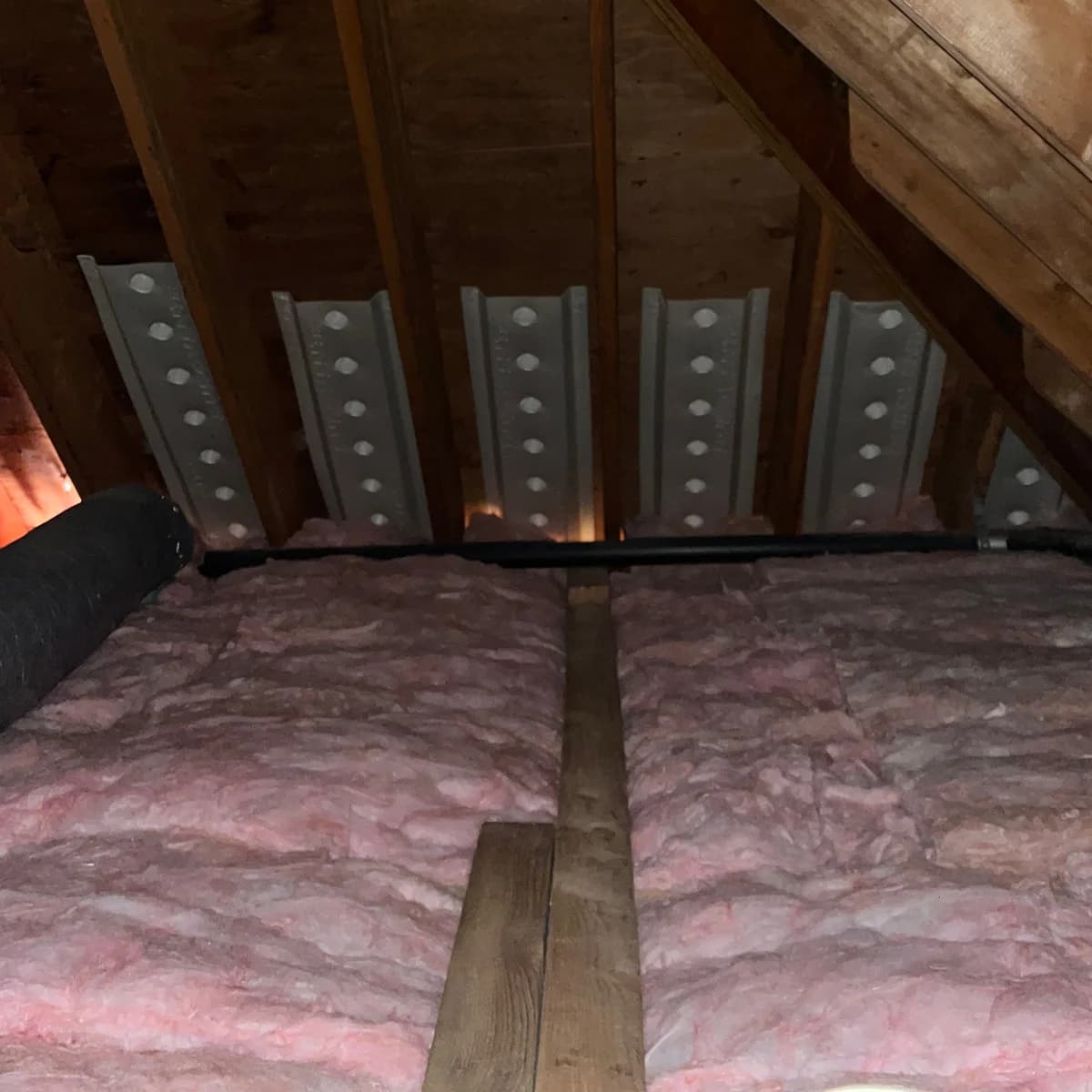
The free inspection
What you walk away with
The inspection is the product. You get three things whether or not you hire us.
Findings, with photos
Insulation depth and condition, air leaks, ventilation, moisture, odors, and any animal damage, photographed and written up so you can see what we saw.
The reason for the work
Whether a top-off is enough or the old material has to come out, and why. If air sealing or baffles are part of it, you hear that before the price.
Scope and price in writing
The full plan and the full price before any work starts. No pressure, and financing is available if you want it.
Free inspection
Request your attic inspection
We’ll call you to go over your attic and set up the visit. The plan and the price come in writing before any work starts.
Big job? We offer financing through Wisetack. Checking your options takes about a minute and does not affect your credit score.
Common questions
Do I need new insulation, or just more?
Do you air seal as part of the job?
How much does attic insulation cost?
Can you remove animal-damaged insulation?
What type of insulation do you install?
Is the inspection really free?
Why are my insulation quotes so different?
What is air sealing and do I really need it?
Still deciding? Read on for the signs, how the job runs, and the materials.
Sound familiar?
The signs your attic insulation is failing
Most calls start with one of these. The inspection tells us whether you need a top-off, a full removal and replace, or just air sealing.
The building science
Why attic insulation underperforms
Topping off over the wrong attic just buries the problem. Three things decide whether insulation actually works, and all three happen before new material goes down.
Seal first
Air leaks come first
Insulation slows heat but does not stop moving air. ENERGY STAR's advice is to seal the air leaks and add insulation together, so the leaks get sealed before new material goes down instead of being buried under it.
Source: ENERGY STAR
Airflow
Ventilation keeps it dry
Blocked soffit vents trap moisture in the attic. Baffles keep that airflow moving so moisture is carried out instead of settling into the framing and the insulation.
Source: DOE Building Science
Bury it
Old material does not just disappear
Wet, compressed, or contaminated insulation does not perform like new material, and animal damage or odor stays trapped under a fresh layer. We decide what comes out during the inspection instead of topping off over a problem.
Source: Attic Fanatics method
How the job runs
Inspect, decide, seal, install, document
One crew, the full job, in the order that performs.
Inspect the whole attic
We document insulation depth, condition, air leaks, ventilation, moisture, odors, and damage, with photos and a written report you keep.
Decide what stays
Clean, dry, performing insulation may only need a top-off. Wet, compressed, contaminated, or animal-damaged material gets removed, not buried under a fresh layer.
Air seal before install
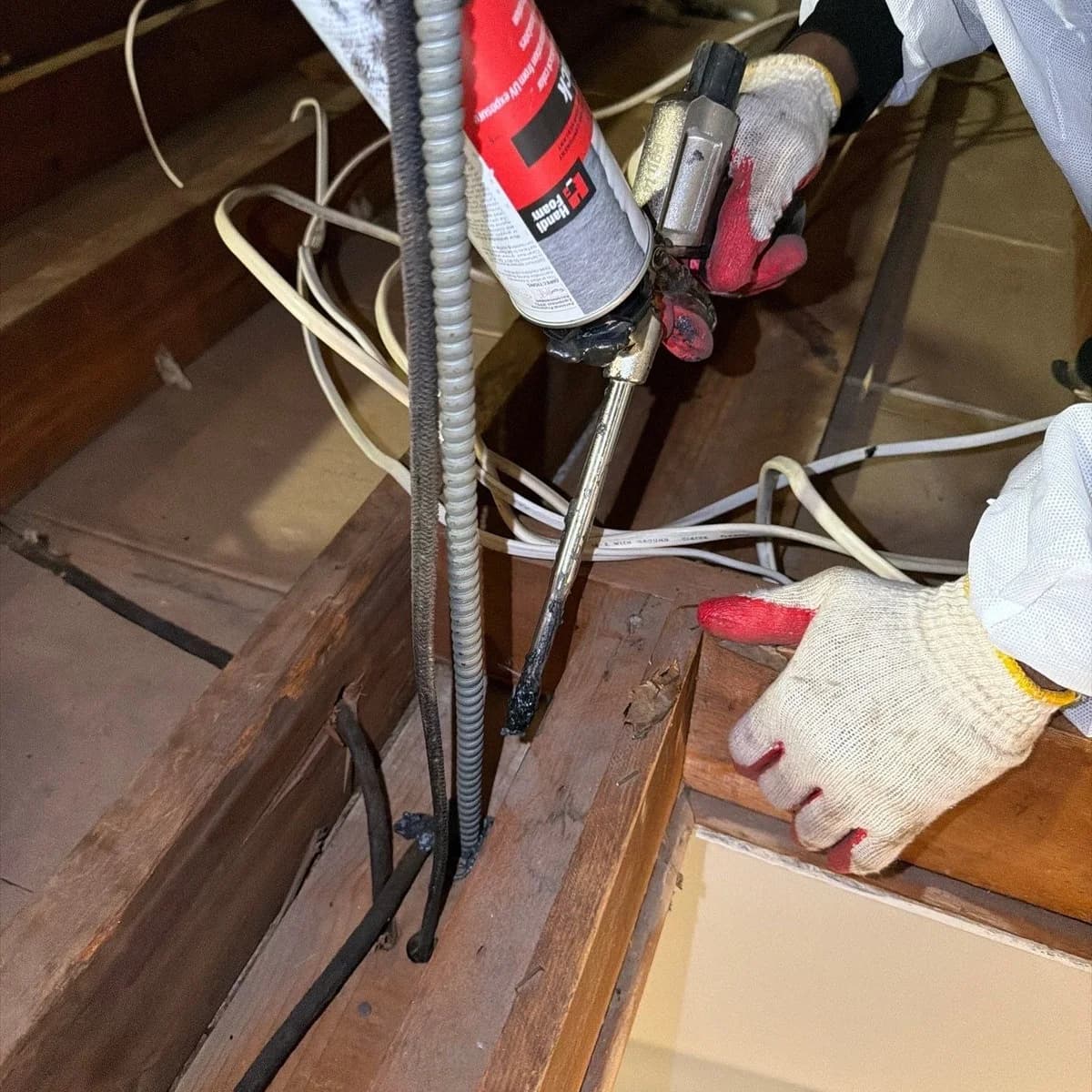
Gaps at can lights, top plates, plumbing stacks, hatches, and bypasses get sealed first. ENERGY STAR pairs air sealing with insulating; we do the sealing before the new material goes down so it is not buried.
Install the right material
Fiberglass batt, blown-in fiberglass, or cellulose, installed to the right depth for your attic. The material comes from the inspection, not a price sheet.
Photo closeout
Before, during, and after photos of the full job. You see exactly what was removed, sealed, and installed without climbing a single rung.
Seal, then insulate
ENERGY STAR’s guidance for a more comfortable, more efficient home is to seal the air leaks and add insulation together. We seal first, then insulate.
Source: ENERGY STAR
Batt, blown-in, or cellulose
The right material is a measurement, not a preference
Each material has a different typical R-value per inch (the exact figure varies by product), so the one that fits your attic depends on your framing and target. Here is where each one wins.
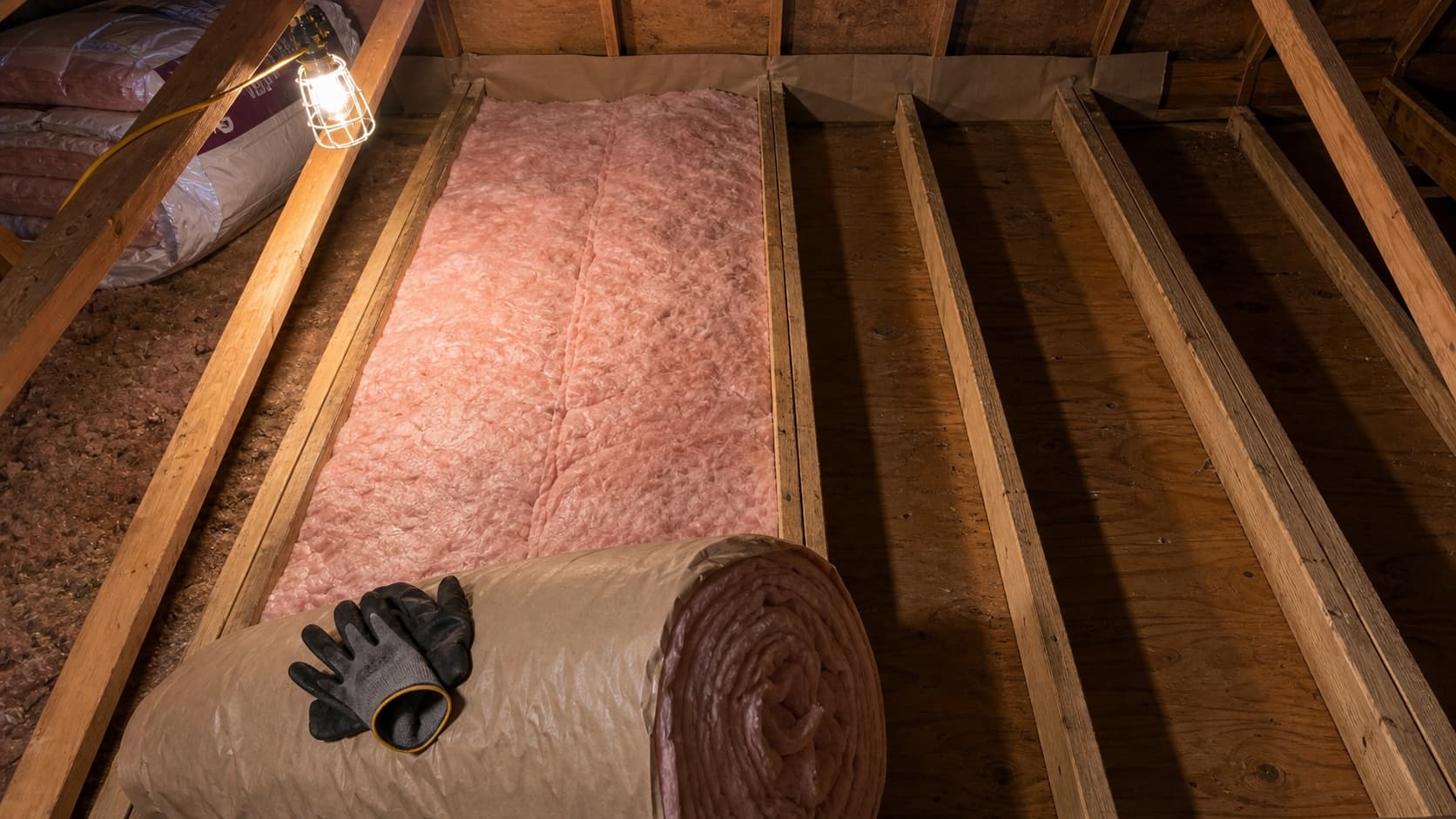
Fiberglass batt
R-2.9 to R-3.8 per inch
Best when framing is standard and joist bays are accessible. Clean, consistent coverage that is easy to verify after installation.
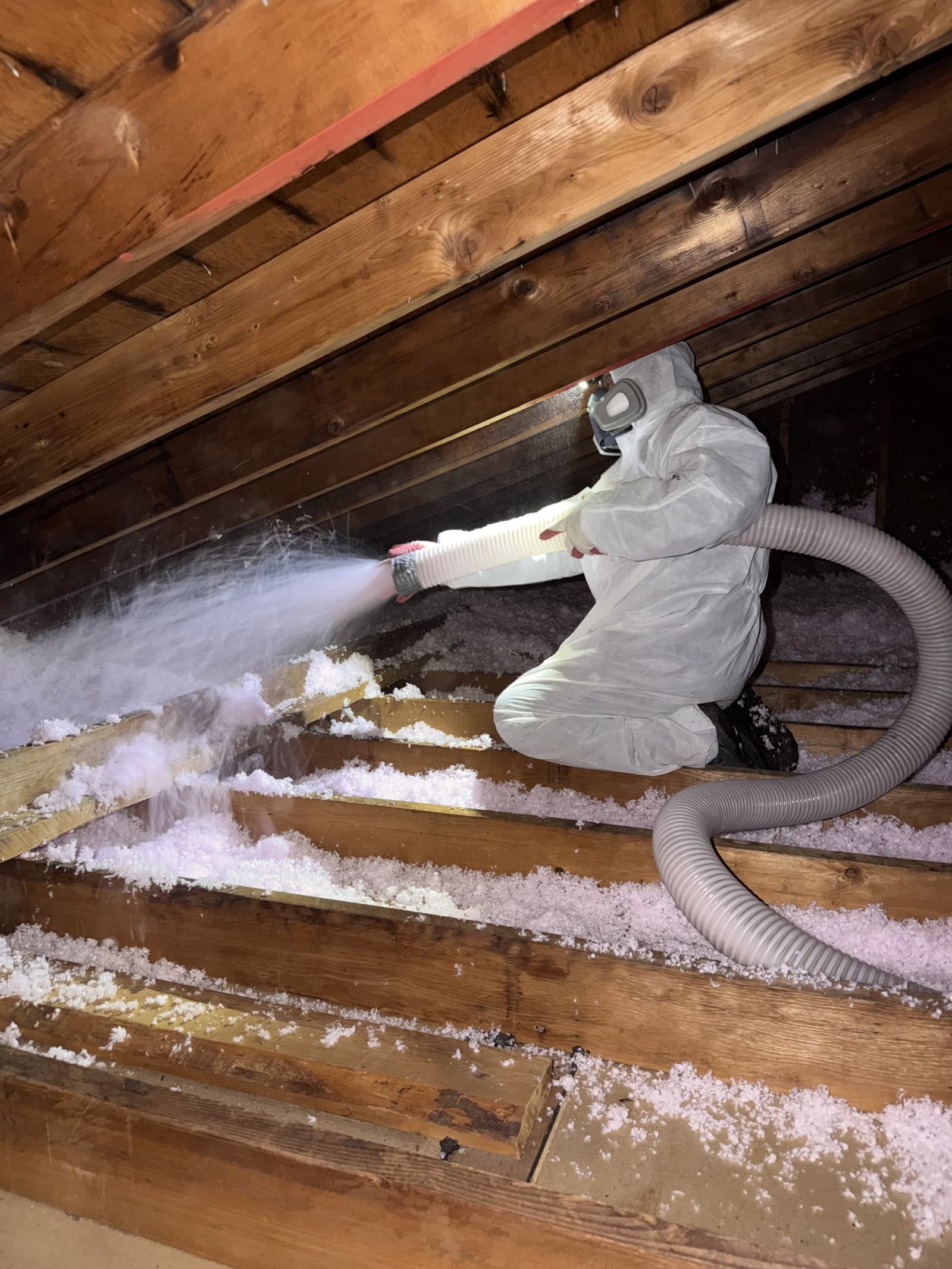
Blown-in fiberglass
R-2.2 to R-2.7 per inch
Best for irregular framing and tight spaces where batts would leave gaps. Conforms to odd cavities and works well as a top-up over existing material.
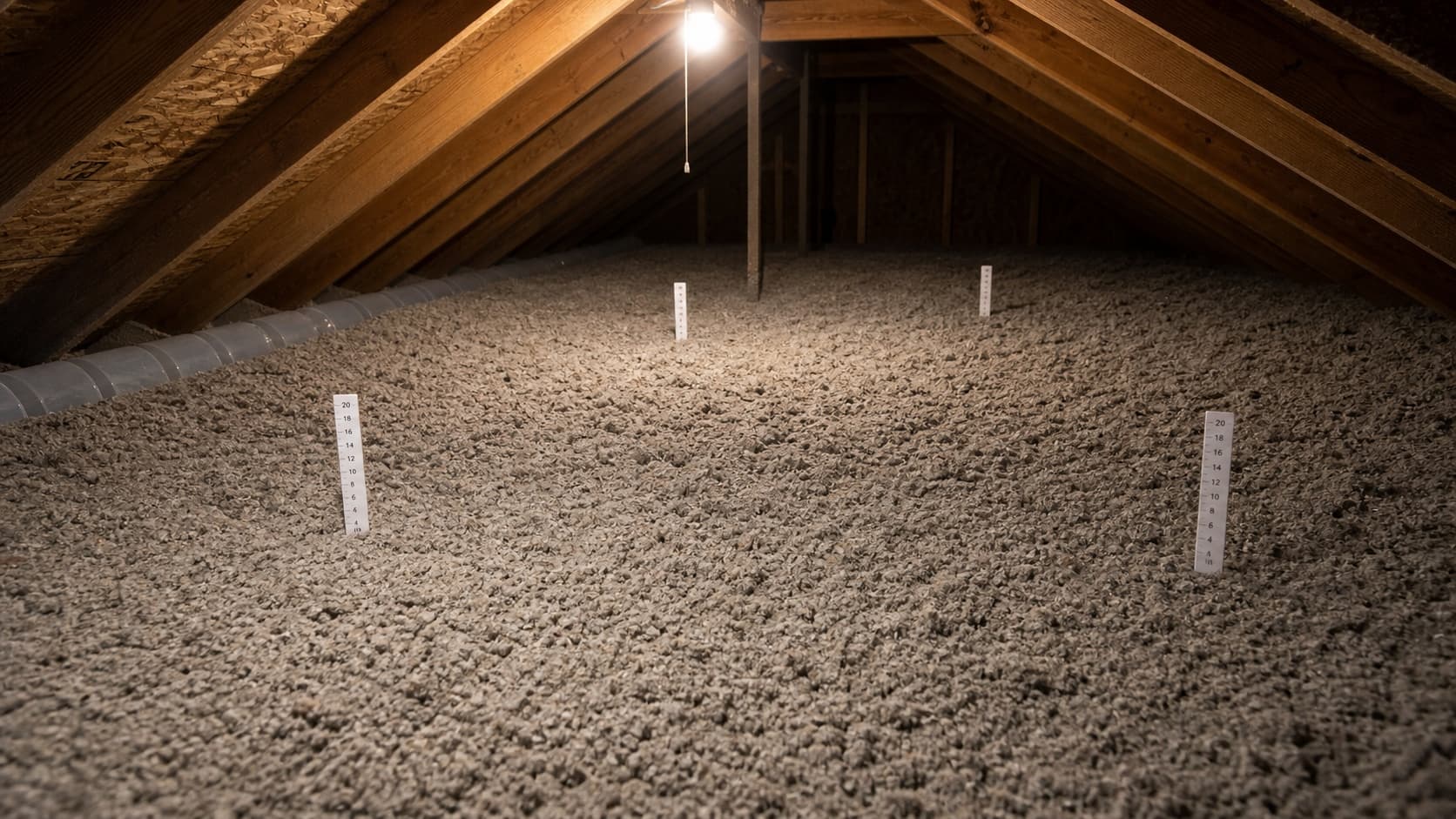
Cellulose
R-3.2 to R-3.8 per inch
Highest R-value per inch of the three. Dense-packs well for enclosed cavities and retrofits. It settles over time, so we factor that into the installed depth.
Google reviews
What homeowners say on Google.
The 6 most recent reviews from our Google listing, newest first, shown as written. Lower ratings are not filtered out.
4.9out of 5
291 reviews on Google
Rating checked October 9, 2026
Jamey L.
5 out of 5 stars
We had a great experience with Attic Fanatics! Reuben came out the next day after we called and we explained what we wanted done. We have a large, old attic, and he crawled around and looked and measured and gave us a quote while he was…
Ripal
5 out of 5 stars
I recently had my attic insulation replaced, and Attic Fanatics provided truly exceptional service. The entire process, from the initial estimate to project completion, was highly professional. Bryan conducted a thorough inspection,…
Antonio T.
5 out of 5 stars
Great Job nice cleanup we can already feel the difference totally recommend them.
David M.
5 out of 5 stars
Very happy with Attic Fanatics! Marlon was very thorough in terms of evaluating my attic for clean up after raccoon infestation and renewing it with all new insulation and sealing it and protecting it in the future. The team performing the…
Thomas M.
3 out of 5 stars
The attic work itself was done well. The crew worked hard, cleaned the space thoroughly, sealed and insulated properly, and the pricing was fair for the scope of work. From an attic/insulation standpoint, the end result looks very…
Harold W.
5 out of 5 stars
Had very good experience with attic fanatics. David in office, Marlon, field man and the installers who provided before and after job photos of my attic. All courteous and on time.
Reviews shown as pulled from Google on April 17, 2026. Newer reviews are on the Google listing.
Ready to talk about your home?
Get My Free Inspection