
Dryer vent fire risk
Nest material packs into lint and blocks heat from leaving the dryer. That is why bird jobs around dryer vents cannot wait for 'someday.'
Bird Removal in NJ, NY & PA
Nest removal. Vent screening. Soffit sealing. One crew handles the whole job.
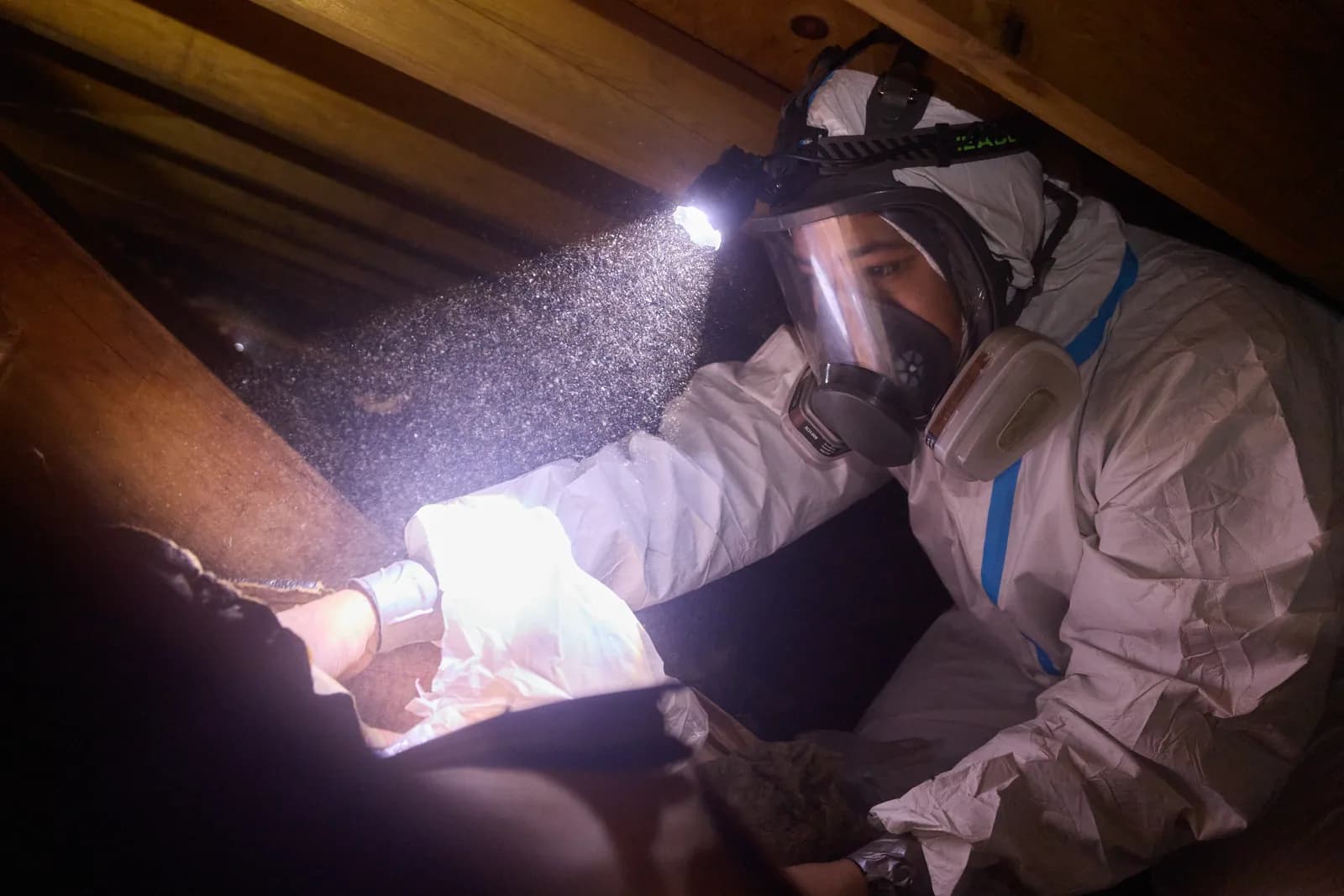
Lint builds up behind the nest. Airflow drops to zero. The heat from your dryer has nowhere to go. If you have a gas dryer, a blocked vent can also push carbon monoxide back into your home.
Meanwhile, starlings in your soffit are spreading mites into your living space, and their droppings are corrosive enough to eat through roofing and siding. Most pest companies will not touch birds. We built a whole process for them.
Nest removal, vent screening, soffit sealing. One crew walks in. When they walk out, every opening is sealed with bird-proof materials and the job is done.
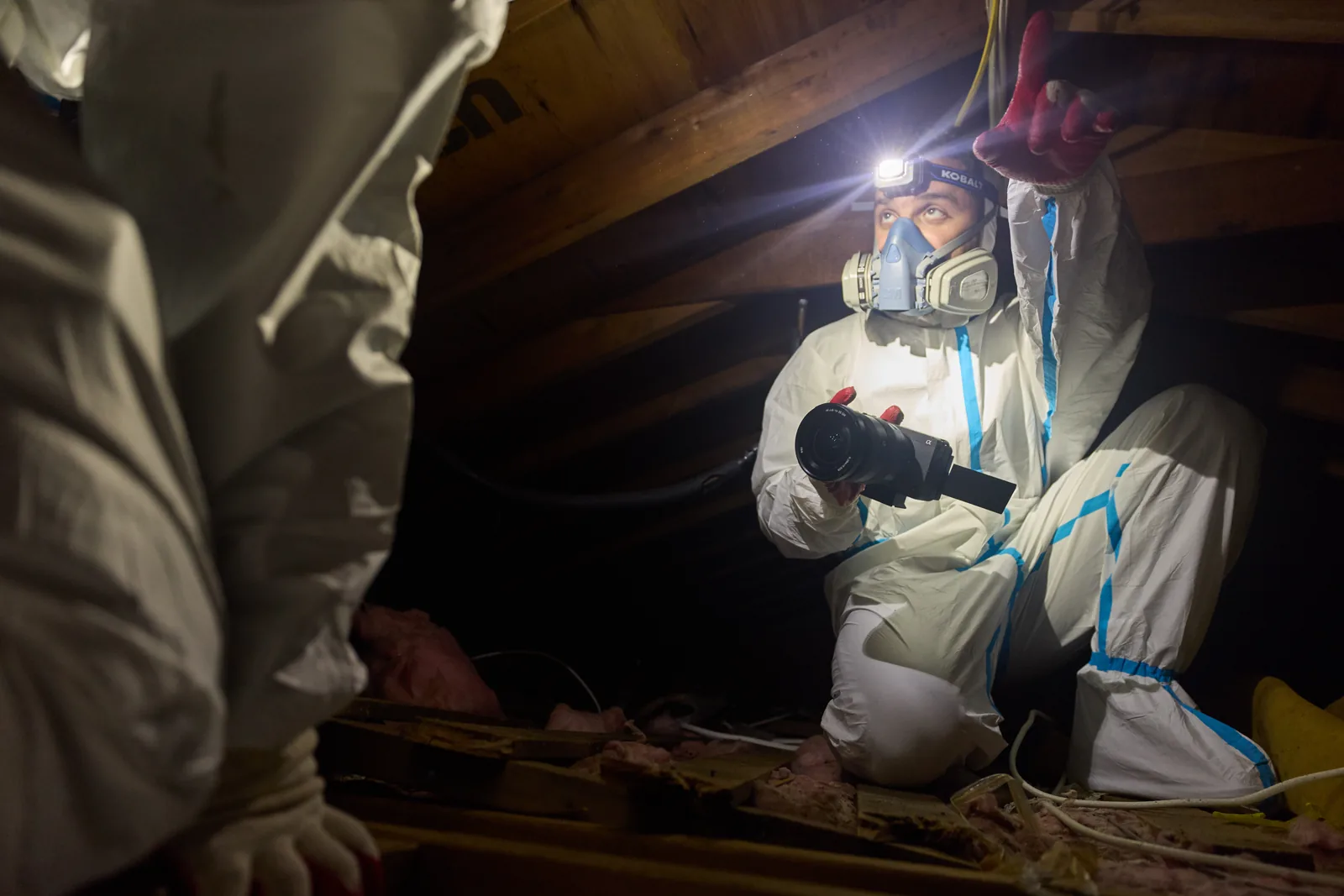
Every vent inspected. Every gap sealed.
Starlings, sparrows, and pigeons squeeze through gaps as small as one inch. They come back to the same spot year after year. Here are the five places we find them most.
Dryer vent
The #1 bird entry point. Warm, sheltered, perfect nesting spot. Also a fire hazard when blocked with nest debris and lint.
Bathroom exhaust vent
Small opening, big problem. Birds pack it with nesting material and block your ventilation.
Soffit gaps
Starlings love soffits. One-inch gaps are all they need to set up shop in your attic.
Ridge vent
Designed for attic airflow, exploited by birds looking for shelter. Easy to miss without a full inspection.
Gable vent
Open mesh is an open invitation. Birds walk right through damaged or aging vent covers.
We inspect all five. We seal all five.
The damage goes beyond the nest.
Bird droppings are corrosive enough to damage roofing and siding. And the mites they carry do not stay in the nest. They migrate into your living space through ceiling gaps and ductwork. Removal alone does not work. Exclusion is the only permanent fix.
 Before
 After
AfterRepresentative before and after from our attic restoration work. Contaminated insulation out, clean install in.
Vent/soffit job
Birds get in through dryer vents, bath fan exhausts, and soffit gaps, then pack them with nesting material that blocks airflow and carries mites. The point is not just removing the bird. It is getting the vent or roofline working again and closing the opening so the next one cannot move in.
Nest material packs into lint and blocks heat from leaving the dryer. That is why bird jobs around dryer vents cannot wait for 'someday.'
Bathroom fans, kitchen exhaust, and attic vents stop doing their job when birds fill the duct or screen with nesting material.
When the nest is abandoned or disturbed, mites can migrate through ducts, ceiling gaps, and light fixtures into the living space.
One call, one crew, one visit. Here is the process from start to finish.
Chirping in the dryer vent? Scratching in the soffit? Birds going in and out of your roofline? We know the signs. We ask a few questions and get you on the schedule.
Free inspection with photos. We check every vent, every soffit gap, every opening. We identify the species, locate every entry point, and give you the full cost before any work starts.
Nests come out. Every vent gets screened with bird-proof materials. Every soffit gap gets sealed. One crew handles the whole job, start to finish.
Entry point sealing guaranteed.
If birds get back into a sealed area, we come back and fix it. Free.
Some birds have better timing than others.
Starlings, sparrows, and pigeons can be handled anytime. For protected species, the timing and approach matter. We inspect, identify exactly what you are dealing with, and tell you the best path forward.
Free inspection. Full cost up front. No obligation.
Big job? We offer financing through Wisetack. Checking your options takes about a minute and does not affect your credit score.