Raccoon Removal in NJ, NY & PA
Raccoons in your attic? We handle it.
Humane removal. Every entry point sealed. Full attic restoration. One crew, start to finish.
The short answer
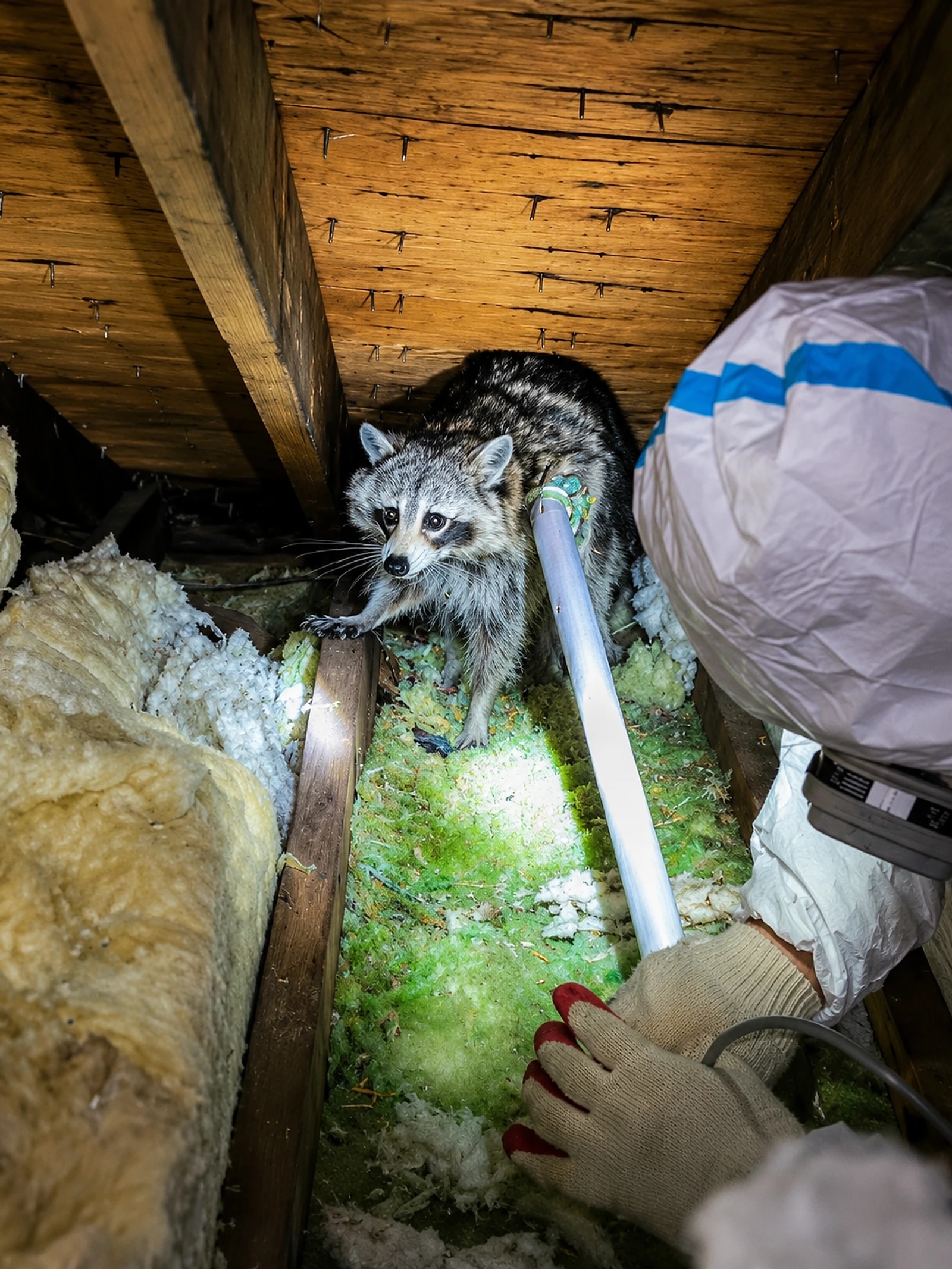
Attic Fanatics does raccoon removal in New Jersey, eastern Pennsylvania, Staten Island, and Rockland County, NY. We check for babies, remove the raccoon humanely, seal every entry with steel mesh, and clean the latrine. NJ starting points: $3,600 to $7,200. Free inspection, written estimate first; same-day generally available when the schedule allows.
Raccoon removal is not pest control. It is structural work.
Exterminators put down traps and charge you every month. That does not solve the problem. Raccoons are strong, persistent, and they remember where they got in. The only permanent solution is sealing your home so they cannot get back in.
We remove the raccoon, find every gap in the structure, seal it with heavy-gauge galvanized hardware cloth and metal flashing, then clean out and restore your attic. One crew handles the whole job. Start to finish.
We photograph everything. Entry points, raccoon damage, droppings, sealed gaps, finished cleanup. You see exactly what was in your attic and what it looks like when we leave.
Family-owned. 5,000+ wildlife jobs.
Signs you might have raccoons
Not sure? That is what the inspection is for. Free, no obligation.
Spring and early summer are peak raccoon season.
Female raccoons seek out attics in late winter to have their babies. By spring, you could have an entire family living above your head. The sooner you call, the less damage they do.
 Before
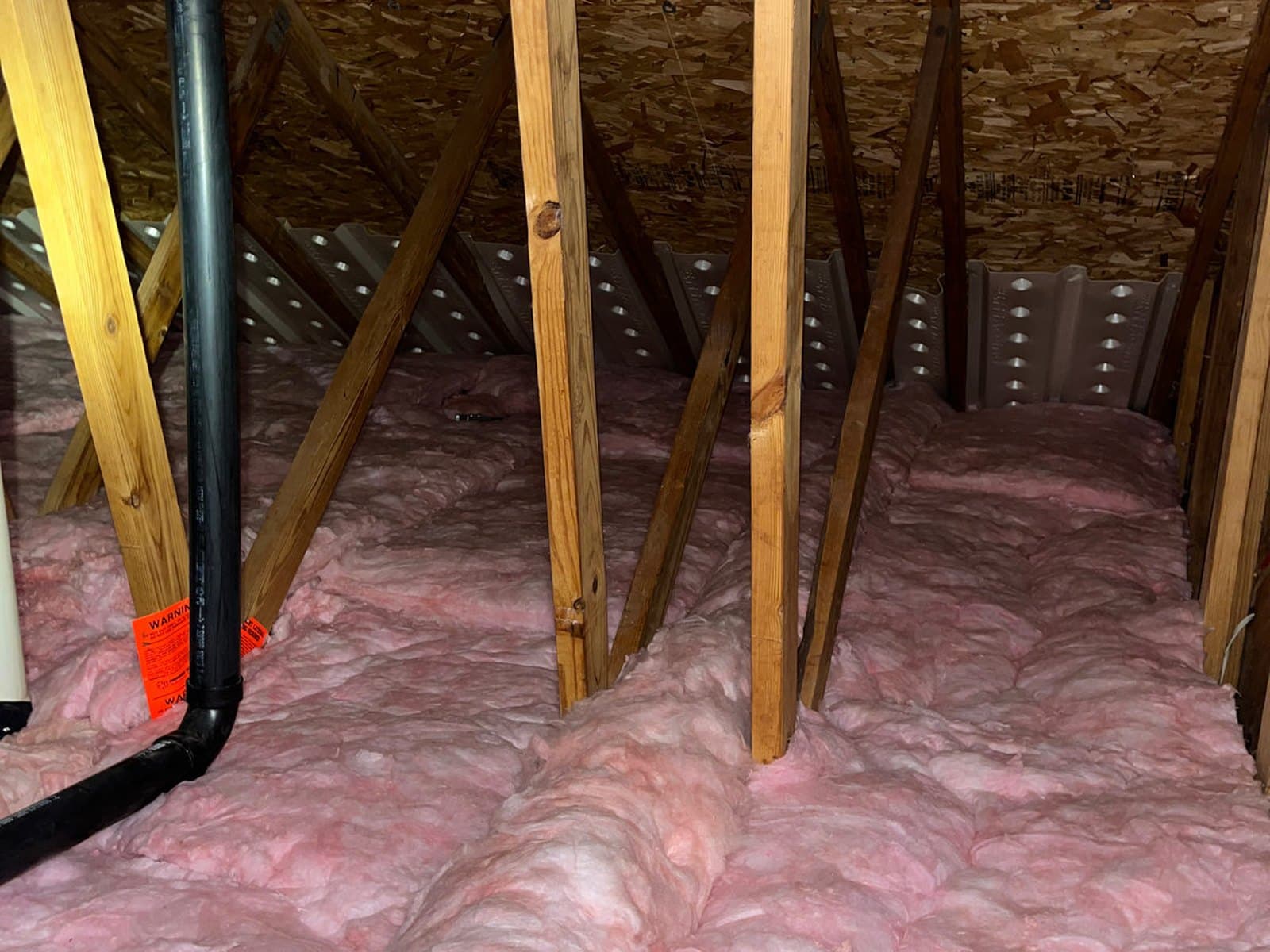 After
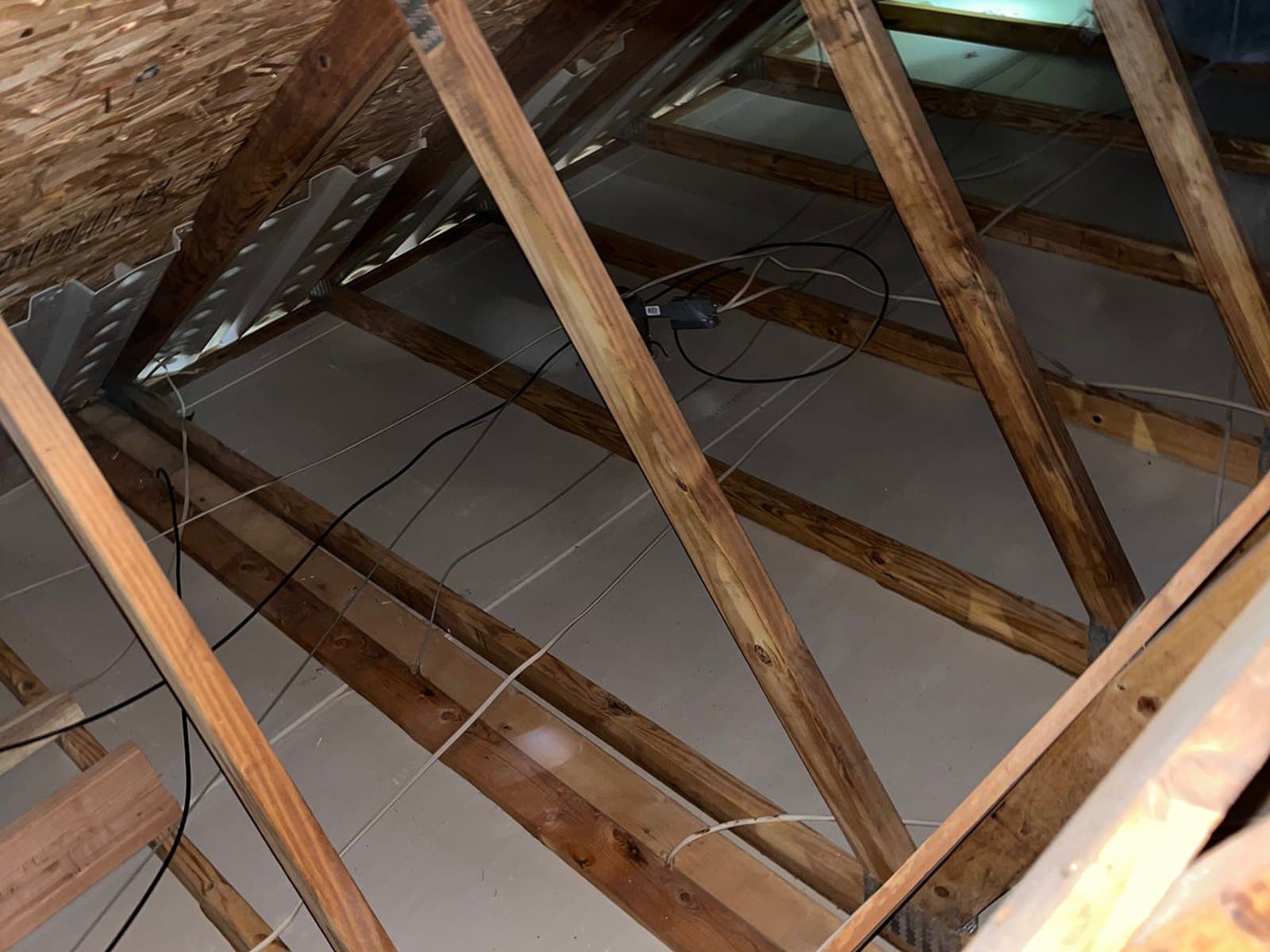
AfterRepresentative before and after from our attic restoration work. Contaminated insulation out, clean install in.
How raccoon removal works
One call, one crew, one plan. Here is the process from start to finish.
You call. We figure out what you are dealing with.
Thumping at 3 AM? Torn soffit? Droppings in the attic? We know the signs. We ask a few questions and get you on the schedule.
We come out and inspect. You see everything.
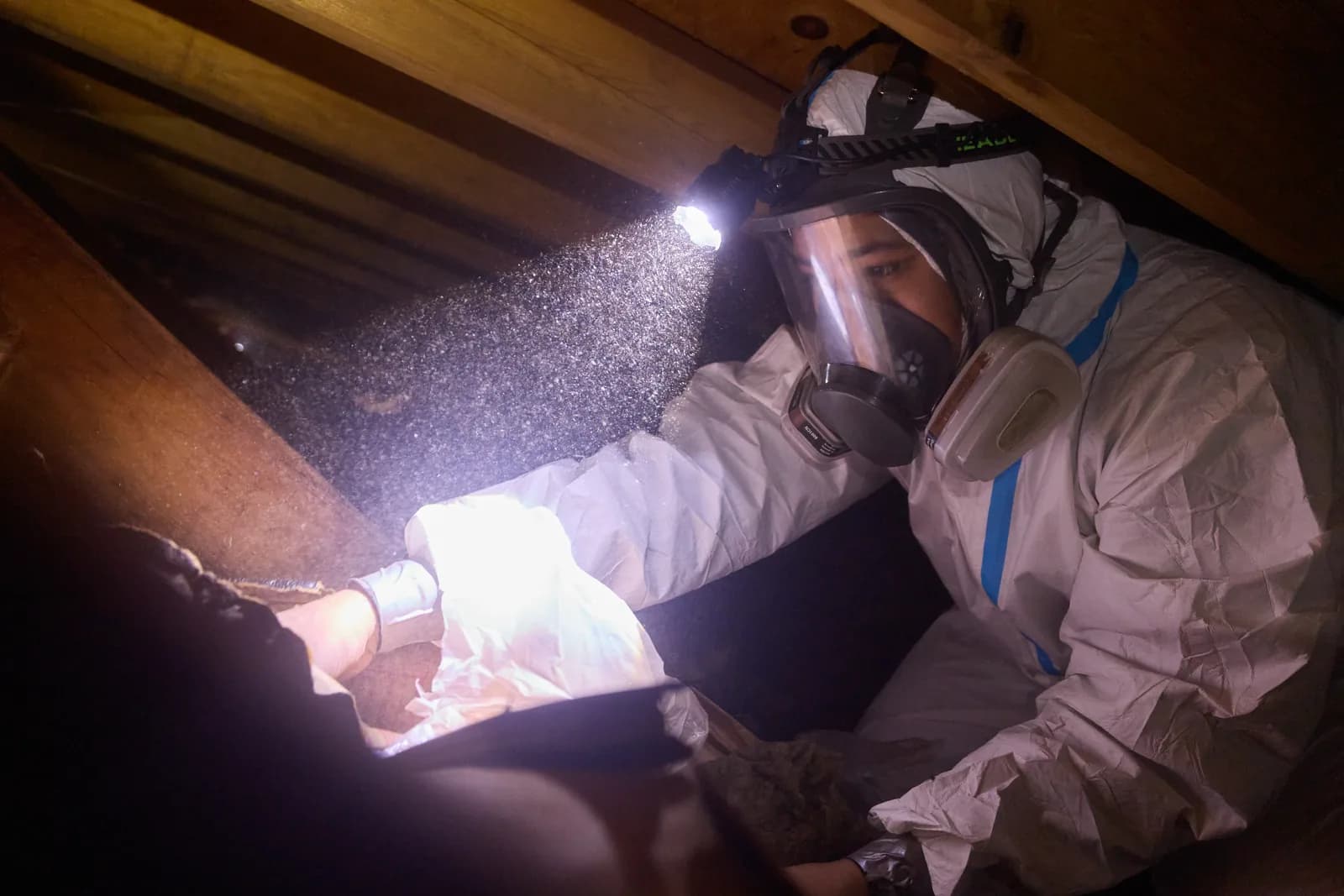
Free inspection with photos. We find every entry point, assess the damage, check for babies, and give you the full cost before anything starts. No surprises.
We trap, exclude, and seal every opening.
Humane trapping and one-way doors get raccoons out. Then we permanently seal every entry point with heavy-gauge galvanized hardware cloth and metal flashing. Screwed into solid wood. Not stapled. Not foamed.
You get your attic back.
Full cleanup, contaminated insulation removed, attic sanitized and restored. If raccoons get back in through our work, we come back. Free.
Exclusion guarantee on every raccoon job.
If they come back through our work, we come back and fix it. Free.
Hear something? We are on it.
Free inspection. Full cost upfront. No obligation.
Big job? We offer financing through Wisetack. Checking your options takes about a minute and does not affect your credit score.