
Mice in Walls Removal in NJ, NY & PA
Mice in your walls? We get them out without guesswork.
Scratching, chewing, or scurrying inside the wall usually means mice are using the wall cavity as a travel route. We inspect the attic, crawl space, roofline, foundation, and utility gaps, then remove the active mice and seal the routes they are using.
Understanding the noise
What that scratching usually means
Wall cavities are travel routes, not nesting sites. Mice use the space between walls to move between floors, from the foundation to the crawl space to the attic and back to the kitchen.
The sound location is misleading. You might hear scratching in a bedroom wall, but the entry point could be at the roofline, a foundation crack, or a pipe penetration on the opposite side of the house.
That is why tearing into the wall where you hear the noise rarely solves the problem. The mice are passing through, not living there.
- Wall cavities connect the foundation to the attic
- Mice travel vertically and horizontally between floors
- The entry point is almost never behind the noisy wall
- One entry can produce sounds in multiple rooms
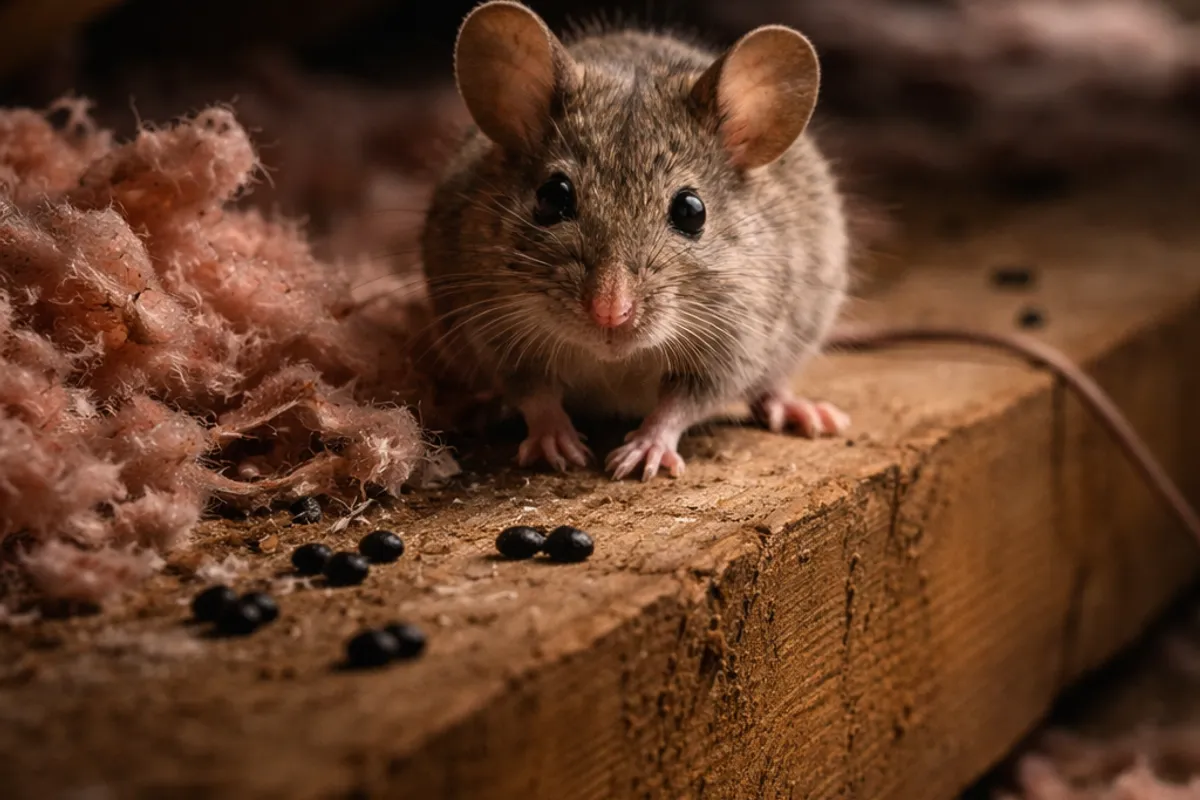
We find where they get in. Not just where you hear them.
We do not start by tearing walls open.
The wall is where you hear them, not necessarily where they get in. We inspect the exterior perimeter, attic, crawl space, foundation, and utility penetrations to find the actual routes before recommending anything.
What most people try first
Cut a hole in the drywall where the scratching is loudest. Set a trap inside the wall. Patch the hole. Wait. The mice come back because the actual entry point was never found.
What we do instead
Full exterior inspection. Attic inspection. Crawl space check. Foundation scan. We identify the entry points, trace the travel routes, remove the active mice, and seal every gap with steel mesh and professional materials.
Why poison can create wall-cavity problems
Poison bait kills mice wherever they happen to be when it takes effect. Inside a wall void, that means a dead mouse in a space you cannot see or reach. The smell starts a few days later and can persist for weeks.
Poison also does nothing about the entry points. The gaps stay open. The scent trail remains. New mice follow the same route in, and the problem restarts, sometimes with a decomposition issue in the wall as well.
We use exclusion, not poison. Remove the active mice, seal the entry points, close the route permanently.
Our process
How we get mice out of walls
Listen and inspect
We inspect the exterior perimeter, attic, crawl space, foundation, and utility penetrations. We identify where the noise is coming from and, more importantly, where the mice are actually getting in.
Confirm the travel route
Mouse droppings, grease marks, gnaw marks, and disturbed insulation tell us which wall cavities are active. We trace the route from entry to activity zone so nothing gets missed.
Remove active mice
We remove mice using professional trapping methods placed along confirmed routes. No poison in the walls, no guesswork about where they are.
Seal entry points
Every identified gap, crack, and penetration gets sealed with steel mesh and professional-grade materials. We close the route permanently so the wall cavities stop being a highway.
Clean what needs cleaning
Droppings, nesting material, and contaminated insulation in the attic or crawl space are addressed. If the wall cavities themselves need attention, we scope that into the plan.
Common entry points
Where they are getting in
Mice need less than a dime-sized opening. These are the entry points we check on every inspection.
Foundation gaps
Cracks in the foundation, gaps where the sill plate meets the concrete, and openings around basement windows. Mice need less than a dime-sized gap.
Pipe penetrations
Plumbing, gas, electrical, and HVAC lines that pass through exterior walls. The gap around the pipe is often unsealed or has deteriorated over time.
Siding gaps
Warped, loose, or damaged siding creates openings along the wall. Corner trim, J-channel, and transition points between materials are frequent entry zones.
Roofline and soffit
Gaps at the roof-wall intersection, damaged soffit panels, and open fascia joints. Mice climb walls and can enter at the roofline just as easily as the ground.
Garage door seal
Worn or missing rubber seals at the bottom and sides of the garage door. The garage connects to the house through shared wall cavities.
Crawl space vents
Broken or missing vent screens, gaps around access doors, and openings where utilities enter the crawl space. Direct access to wall cavities from below.
Attic vents
Gable vents, ridge vents, and turbine vents with damaged or missing screens. Mice travel from the attic down through wall cavities to the rest of the house.
Common problems
Where wall-mice jobs can stay incomplete
Poison without exclusion
Poison can kill mice inside wall voids where they cannot be retrieved. The smell can last weeks. Entry points remain open, and new mice follow the same route.
Single-wall focus
The noise may come from one wall, but the entry point can be on the opposite side of the house. A full-perimeter check is needed to find the actual route.
Interior-only inspection
An interior-only approach addresses symptoms. An exterior perimeter check is what locates the entry points causing the problem.
Removal without sealing
Removing active mice without closing the entry points is a temporary fix. The scent trail stays, and new mice can follow it within weeks.
Documented work
Every entry point photographed. Every seal documented.
You see the gaps before we seal them and the finished work after. No guessing about what was done or where. Photos of the exterior entry points, the interior routes, and every completed repair.
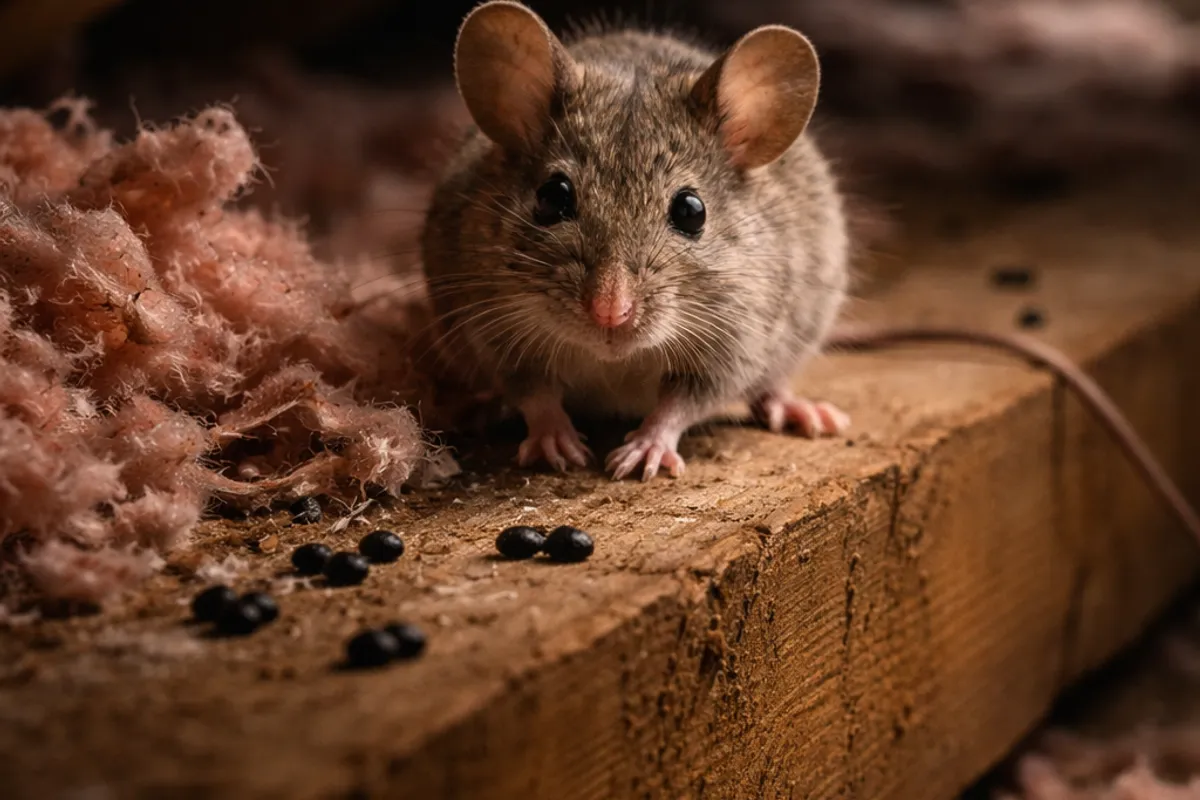 Mouse activity
Mouse evidence often shows up away from the wall where you hear the sound.
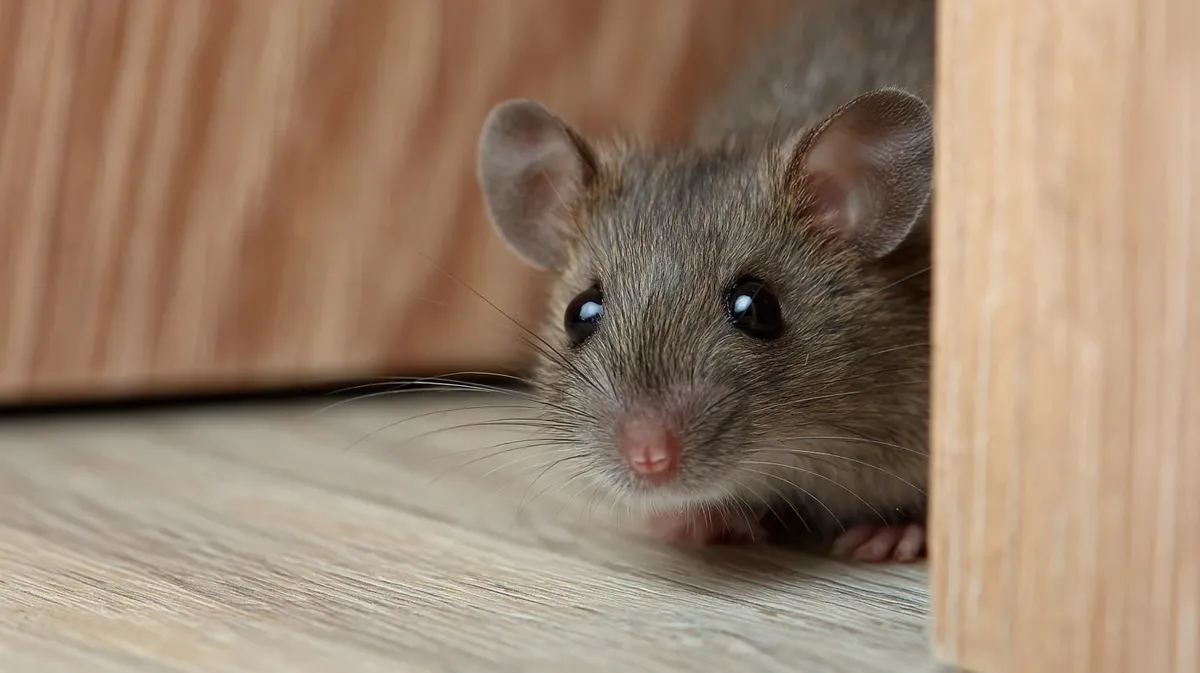 Wall route
Wall cavities are travel routes. The entry may be somewhere else.
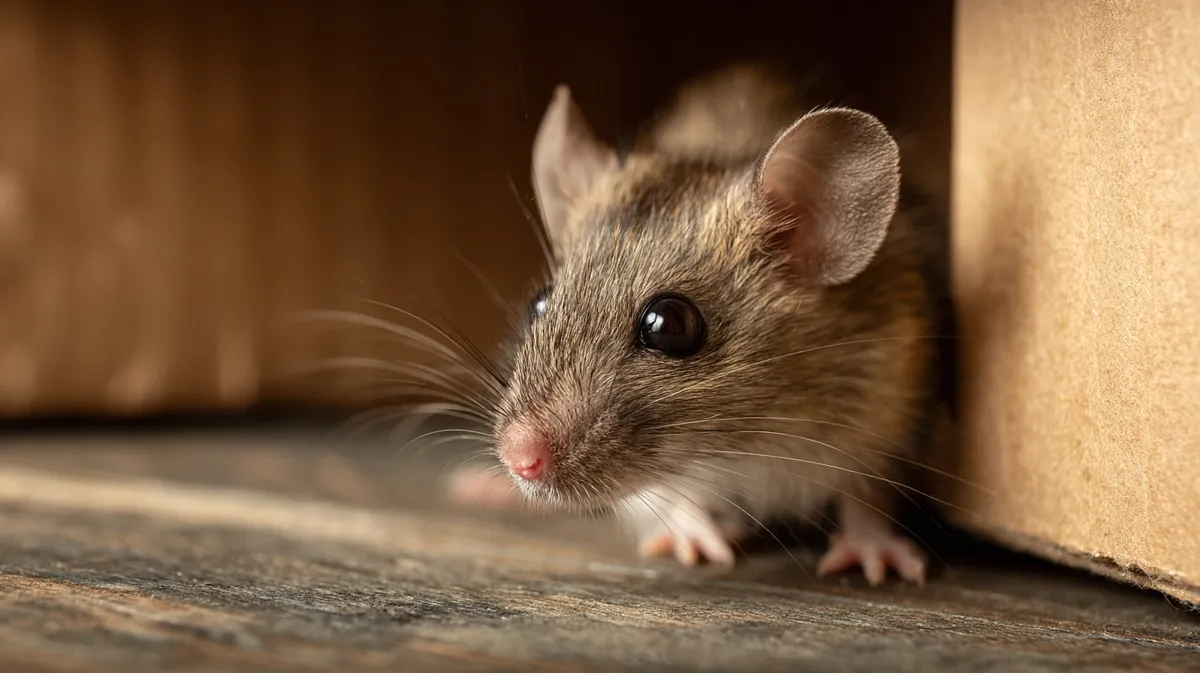 Active mouse
Small gaps around framing, utilities, and foundations can keep the cycle going.
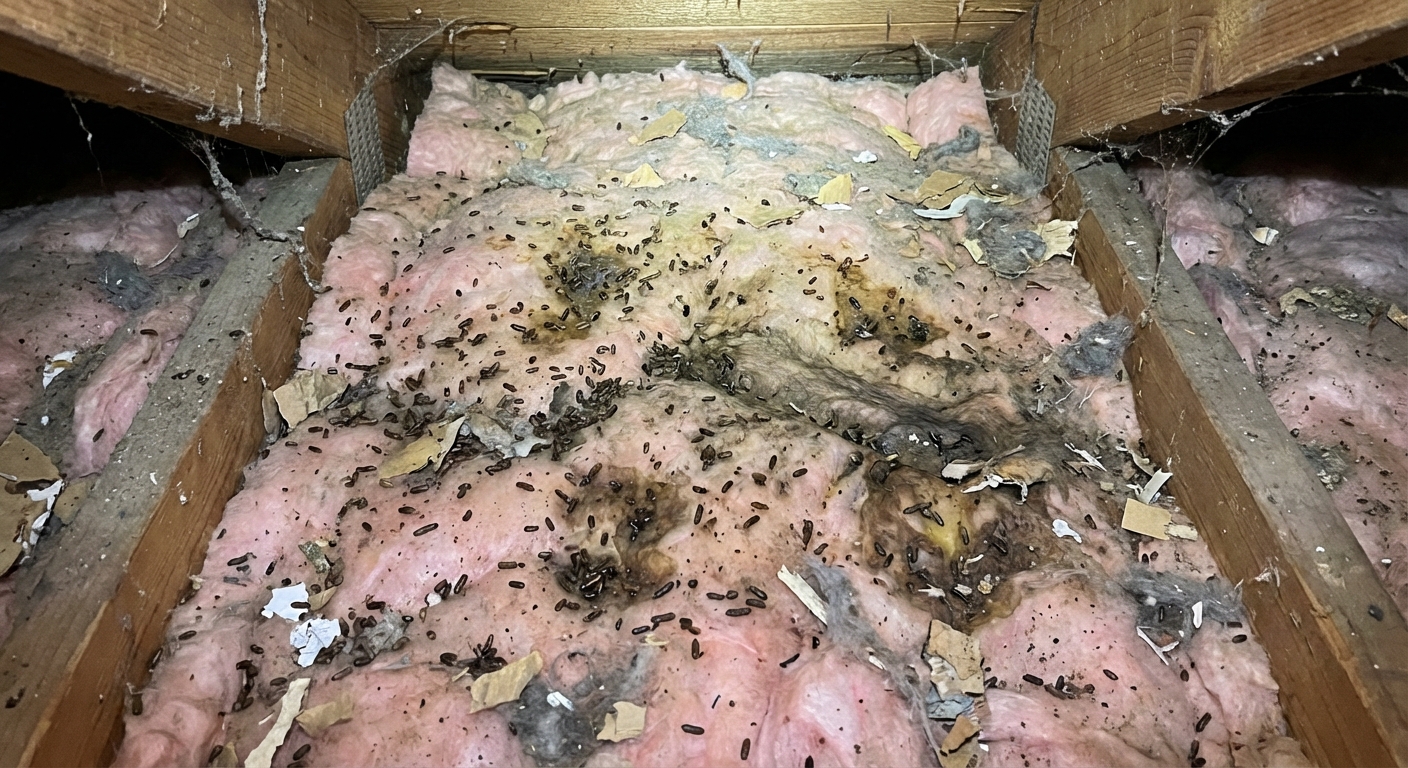 Contamination
Droppings and nesting material are part of the scope when they are found.
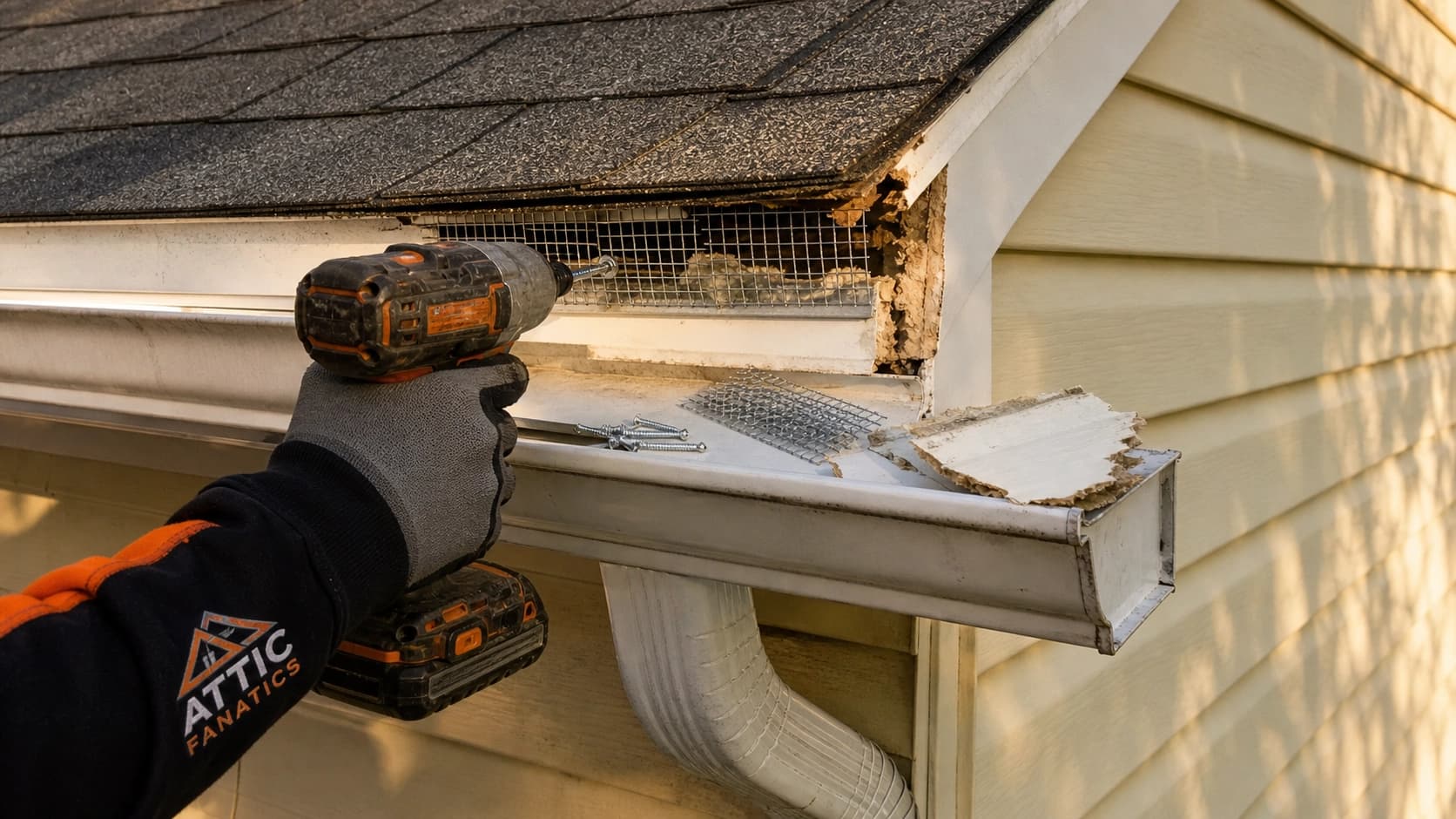
Entry points closed after the route is identified.
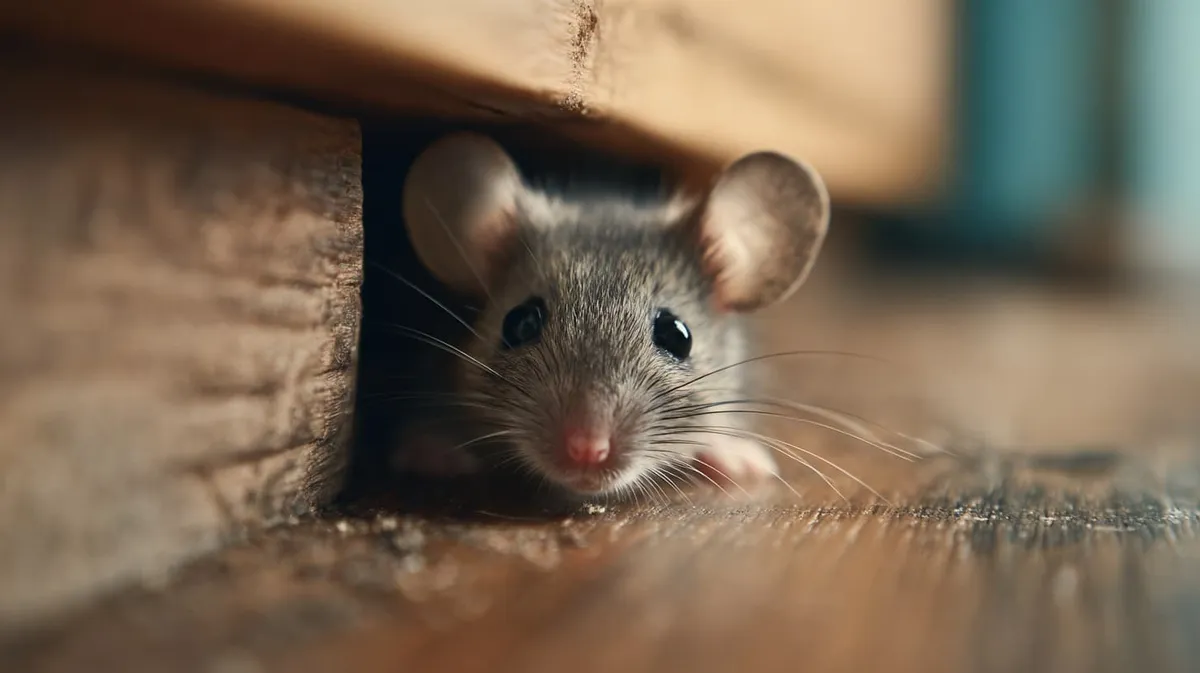
Removal only works when the route is closed.
Not sure what you are hearing?
What if it is not mice?
The inspection identifies what you are dealing with before we recommend a plan. We handle all of these.
Squirrels
Louder, heavier thumping. Usually active during the day.
Rats
Heavier than mice, different droppings. Often in lower areas.
Other wildlife
Raccoons, bats, birds. The inspection identifies what it is.
Whatever the source, the inspection pinpoints the animal, the entry points, and the right next step. You get a clear plan before any work begins.
Get a written wall-mice removal scope
Free inspection. Full cost in writing. No obligation.
Call (732) 351-2005