Raccoon in Attic Removal in NJ, NY & PA
Raccoon in your attic? We remove it, seal the entry, and show you the damage.
Heavy thumping at night, a torn soffit, droppings, or scratching above the ceiling usually means there is an active entry point. We inspect the attic and roofline, check for babies, remove the raccoon humanely, seal the opening with metal, and give you the full plan before work starts.
Common signs
Signs you have a raccoon in your attic
Raccoons are larger and louder than squirrels or rodents. If you are hearing heavy movement at night, or noticing damage to your roofline, it is worth investigating before it gets worse.
Heavy thumping at night
Raccoons are nocturnal and weigh 10 to 30 pounds. The noise is a distinct, heavy walking or thumping, not the light scratching you hear from mice or squirrels.
Torn soffit or roofline damage
Raccoons are strong enough to peel back aluminum soffit, bend vent covers, and rip fascia boards loose. Visible damage at the roofline is a reliable indicator.
Large droppings in the attic
Raccoon droppings are noticeably larger than rodent droppings, roughly the size of a small dog's. They tend to use a single latrine area, which makes identification easier.
Scratching above the ceiling
Scratching, chittering, or vocal sounds from above, especially in the evening, usually means something larger than a mouse has moved in.
Visible damage to vents or fascia
Bent gable vents, torn soffit panels, or gaps where the roof meets the fascia board. Raccoons exploit and enlarge existing weak points to create entries.
What is actually happening up there
A raccoon in the attic is not just a noise problem. It is an active damage situation that gets worse every day.
Entry point damage
Torn soffits, bent vents, ripped fascia, roofline gaps. Raccoons create and enlarge openings with force. What started as a small gap becomes a wide-open door.
Nesting (especially with babies)
Female raccoons seek warm, enclosed spaces to raise kits. Attics are ideal. A nesting raccoon tears insulation for bedding, creates a latrine, and stays for weeks or months.
Contamination
Raccoon droppings can carry Baylisascaris (roundworm) eggs. Urine soaks into insulation. The longer a raccoon lives in the attic, the more contamination accumulates in a concentrated area.
Structural risk
Raccoons weigh 10 to 30 pounds. They walk across ductwork, flatten insulation, rip open vapor barriers, and damage wiring. They do not tiptoe. They move with force.
Our process
How raccoon attic removal actually works
Inspect attic and roofline
We inspect the full attic interior, walk the roofline, check soffits, vents, fascia, and any gap large enough for a raccoon. Every finding is photographed and documented before we quote anything.
Check for babies
Critical during spring and summer. Before any removal, we look for kits in the nesting area. Removing the mother without finding the babies creates a worse problem. We always check first.
Humane removal
We use humane trapping and exclusion methods that comply with state wildlife regulations. The raccoon is removed safely, and the method is documented with photos.
Seal entry with metal and steel mesh
The entry point is sealed with steel mesh, metal flashing, or both. Raccoons are strong and persistent. The materials we use are rated for raccoon-level force, not just rodent-grade screening.
Plan cleanup and restoration
We document the attic damage: flattened insulation, droppings, urine staining, torn vapor barriers. You get a written plan for cleanup and restoration with full cost before any additional work starts.
Common gaps
What gets missed when only the trap is set
Entry point left open
When the raccoon is removed but the entry point is not sealed, the opening remains accessible. Another raccoon can use the same gap within days. Sealing the entry is what makes the removal permanent.
Baby check skipped
During baby season, removing the mother without checking for kits can leave orphaned animals in the attic. This leads to odor, additional contamination, and potential legal issues in NJ, NY, and PA.
Cleanup not planned
Raccoon droppings can carry roundworm eggs. Flattened insulation loses R-value. Without a contamination and damage assessment after removal, the mess stays exactly where the raccoon left it.
Secondary gaps missed
Raccoons often exploit more than one weak point on a roofline. Sealing only the obvious hole while missing a secondary gap leaves another entry available.
Documented work
Entry points found. Raccoons removed. Openings sealed.
Every job is photographed. You see the entry point, the damage, the removal, and the finished seal without climbing onto the roof yourself.
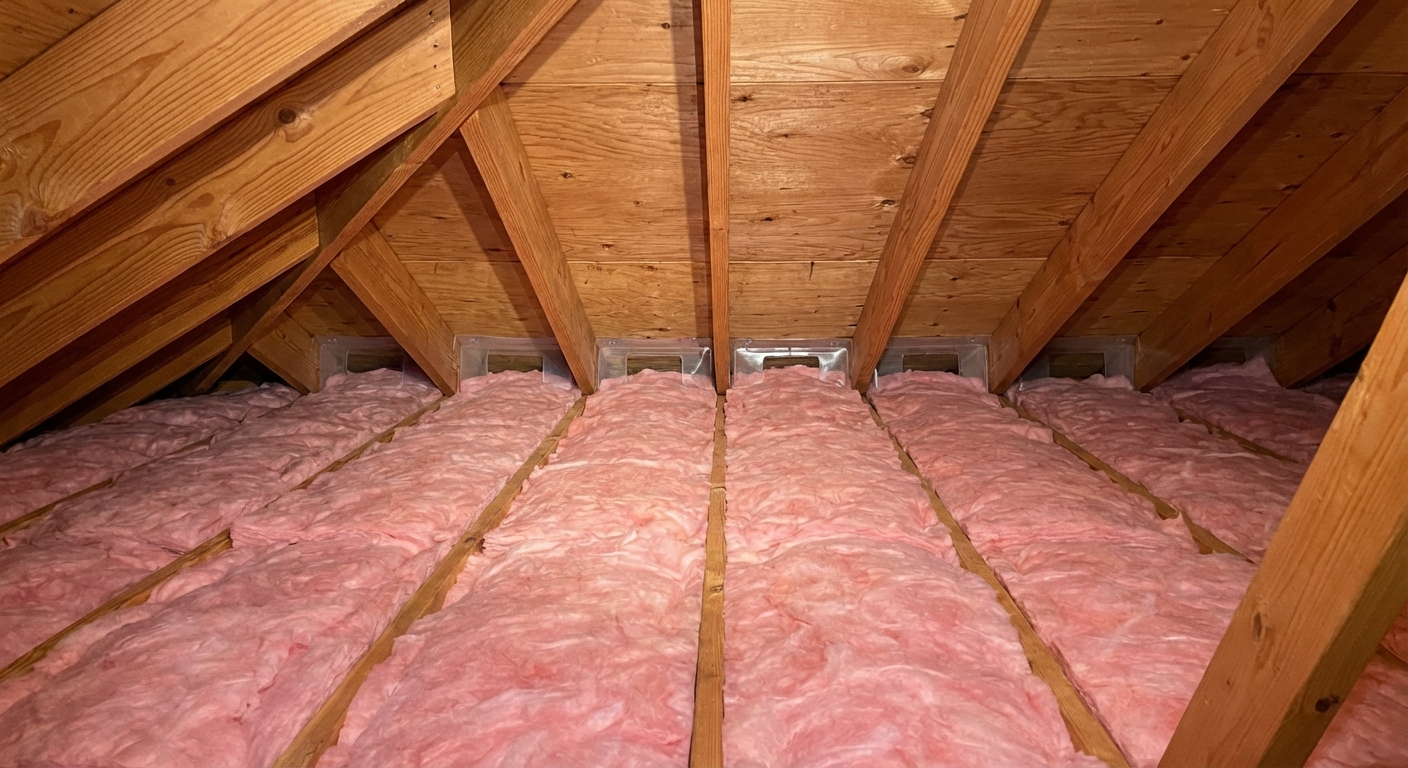
Soffit vent sealed with steel mesh. Raccoon entry permanently closed.
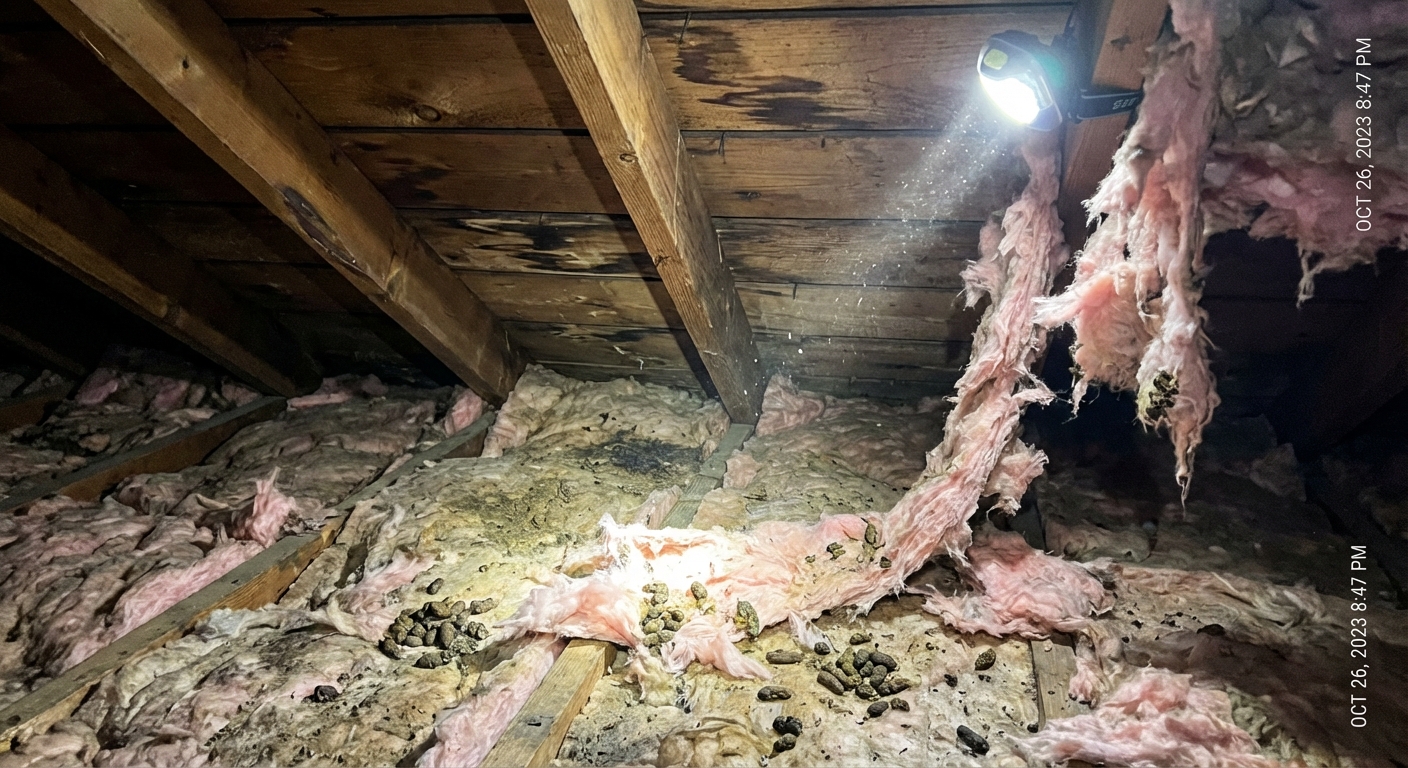 Before
Raccoon attic impact documented before removal and restoration.
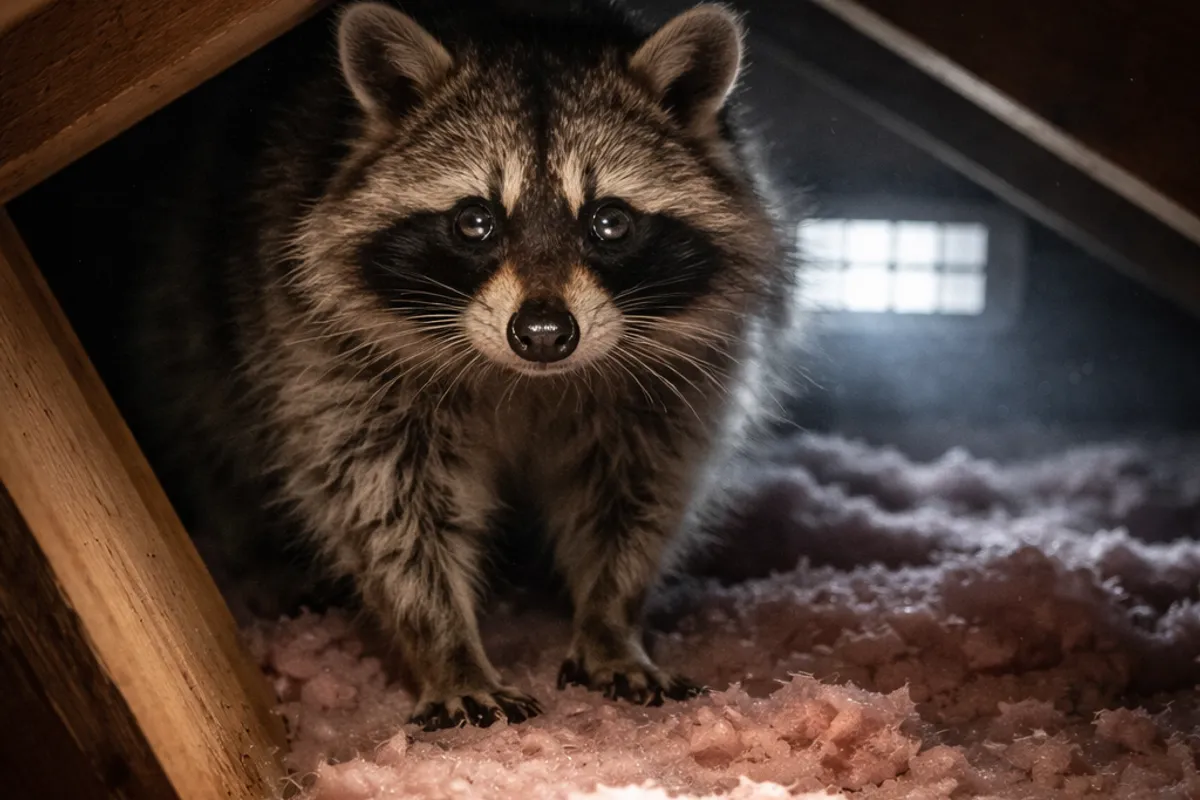 Humane removal
Raccoon removal and inspection findings are documented on site.
AfterFinished attic condition documented after the work is complete.
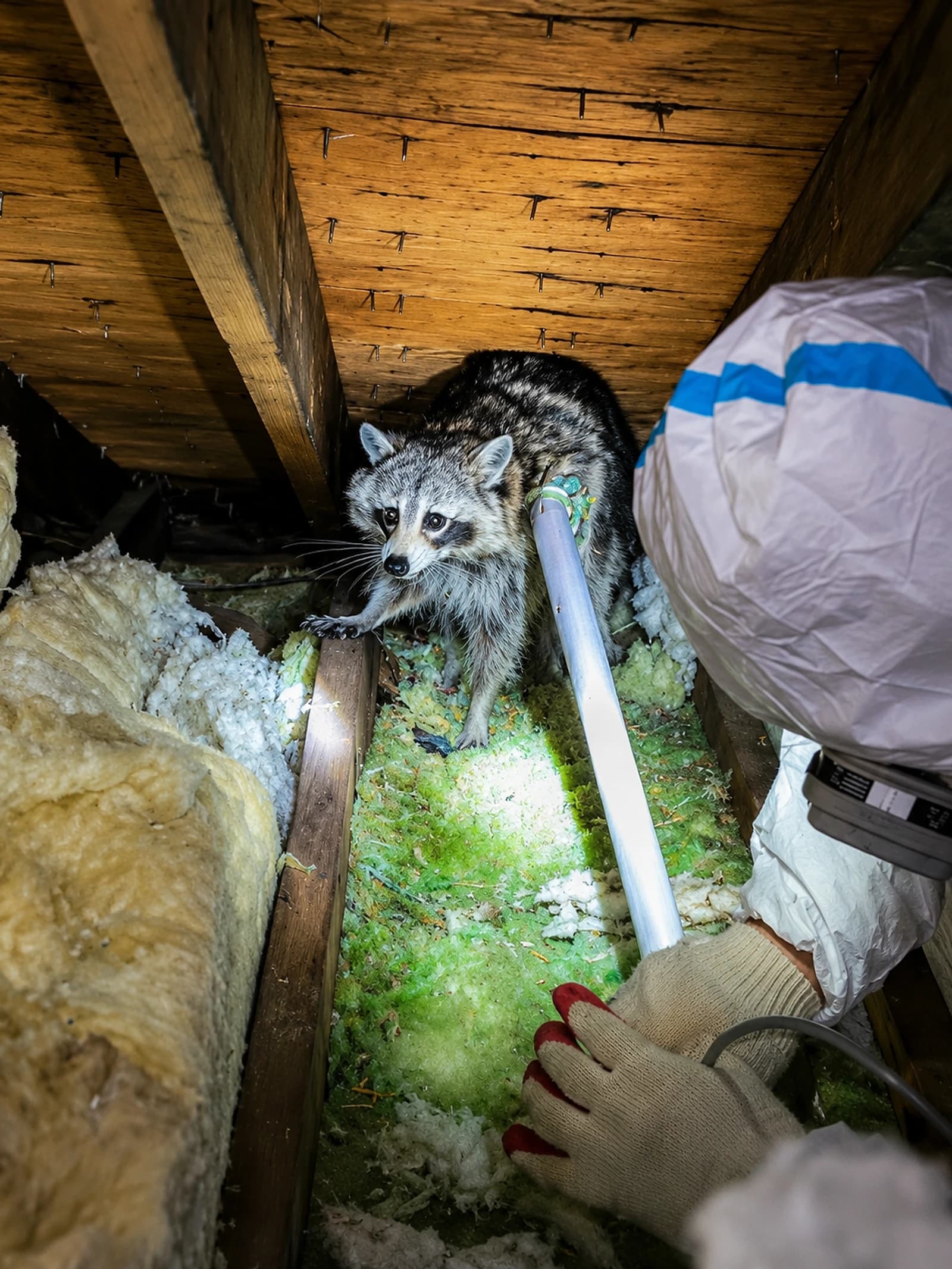
Humane removal documented.
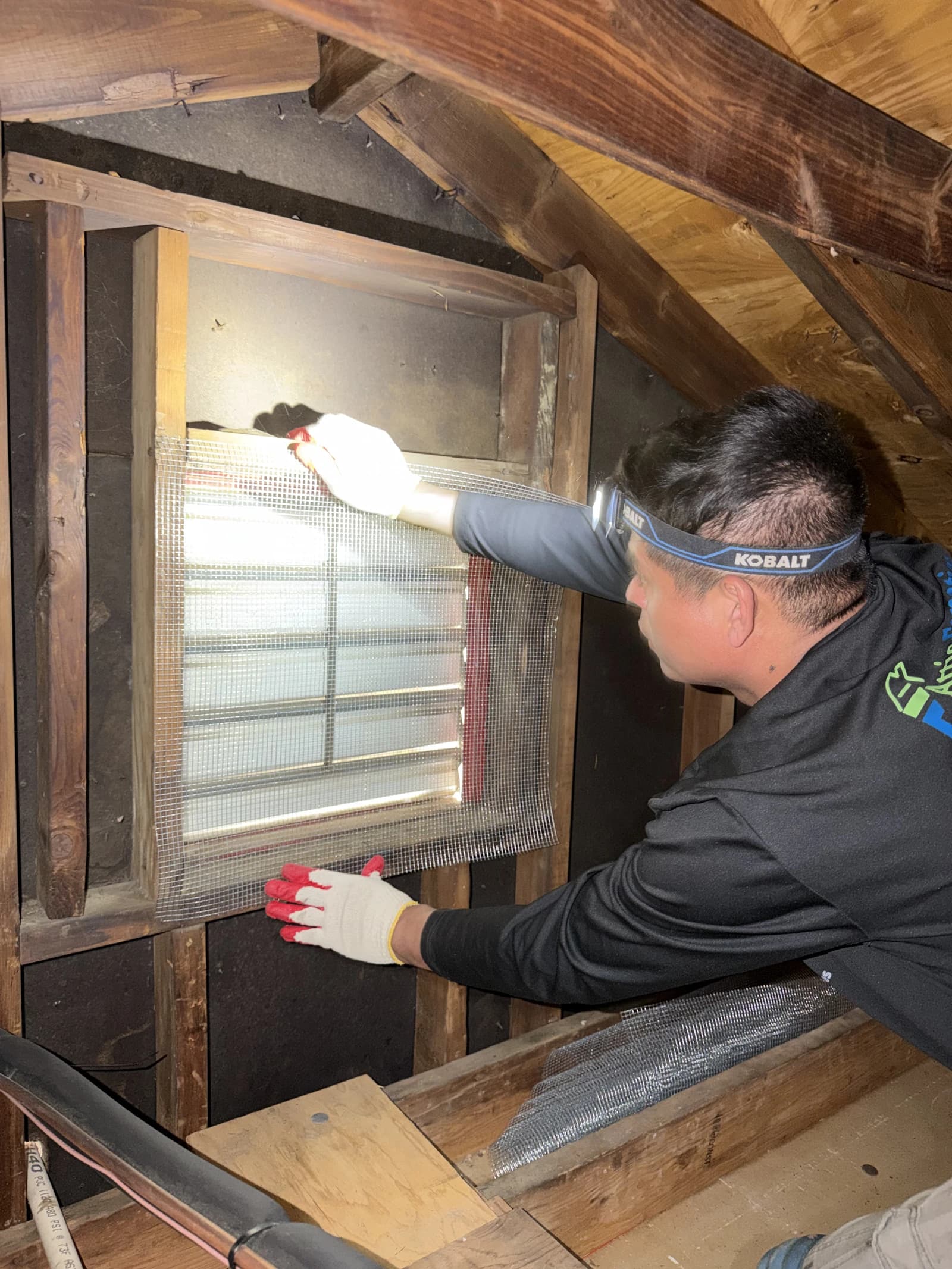
Entry route sealed with steel mesh.
Seasonal awareness
Spring babies and why timing matters
From March through June, female raccoons seek warm, enclosed spaces to give birth and raise their kits. Attics are a top choice. A mother raccoon will tear open a soffit, vent, or roofline gap to get inside, then stay for weeks while the babies grow.
Removing the mother during this period without checking for babies creates a worse problem: orphaned kits, additional contamination, and potential legal issues in NJ, NY, and PA.
We look before we act
Every removal between March and June starts with a baby check. We locate the nesting area, confirm whether kits are present, and plan the removal around the full situation. Humane, legal, thorough.
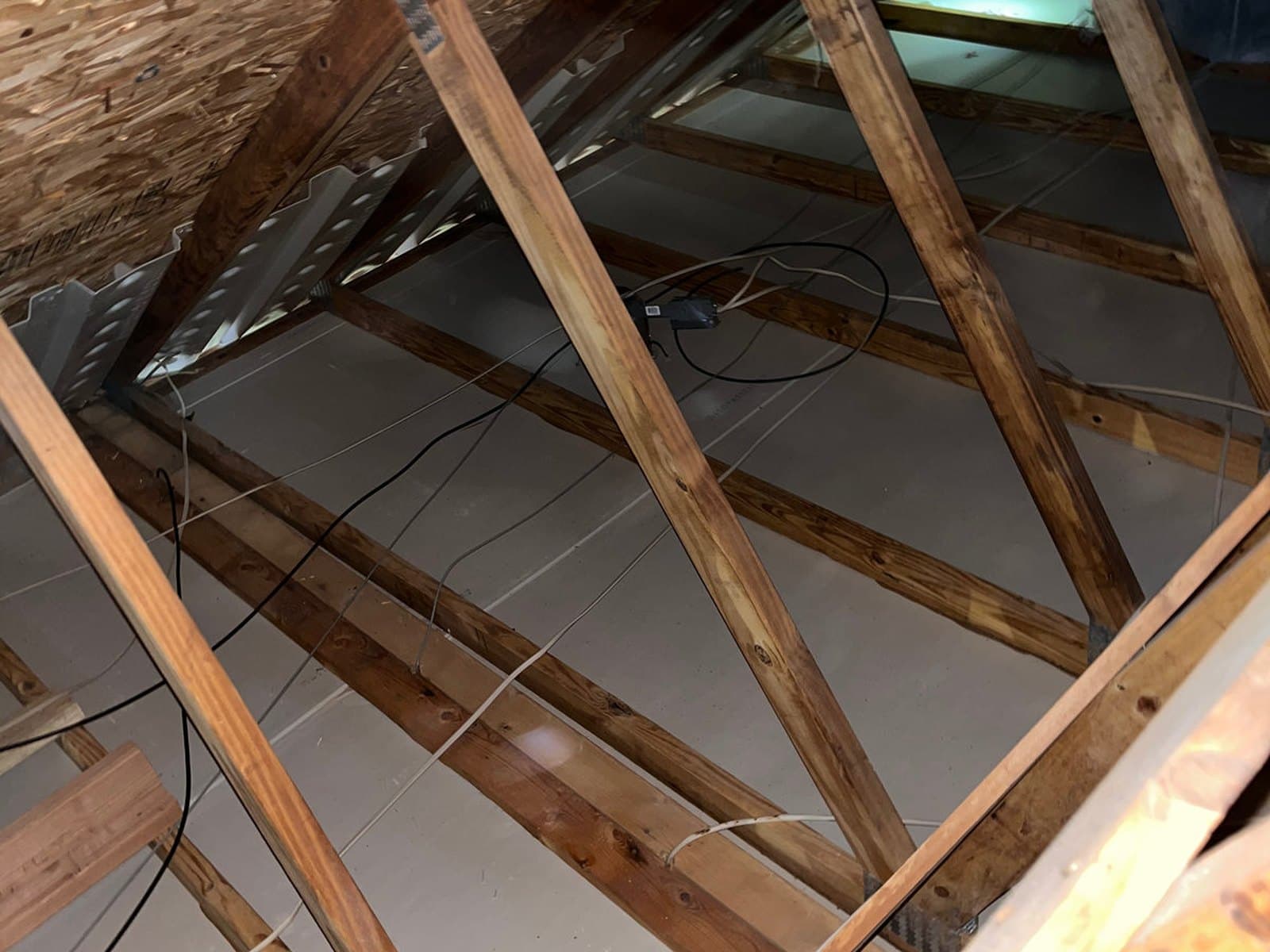
Baby check first. Always.
Filing an insurance claim?
We photograph and document every phase: the entry point, the contamination, the removal, the seal, and the final condition. Many homeowner's insurance policies cover wildlife damage remediation. We provide the documentation your adjuster needs. We cannot guarantee what your policy covers, but we make sure the paperwork is thorough.
Get a free raccoon attic inspection
Free inspection. Full cost in writing. No obligation.