Rodent Remediation and Attic Insulation in NJ, NY & PA
Rodent Removal in the Attic
Removal alone misses the actual fix. The real solution is three parts. Take the rodents out. Seal the entry holes. Remediate the attic. We do all three. Free NJ inspection, written estimate, no surprises.
Removal alone is not the fix.
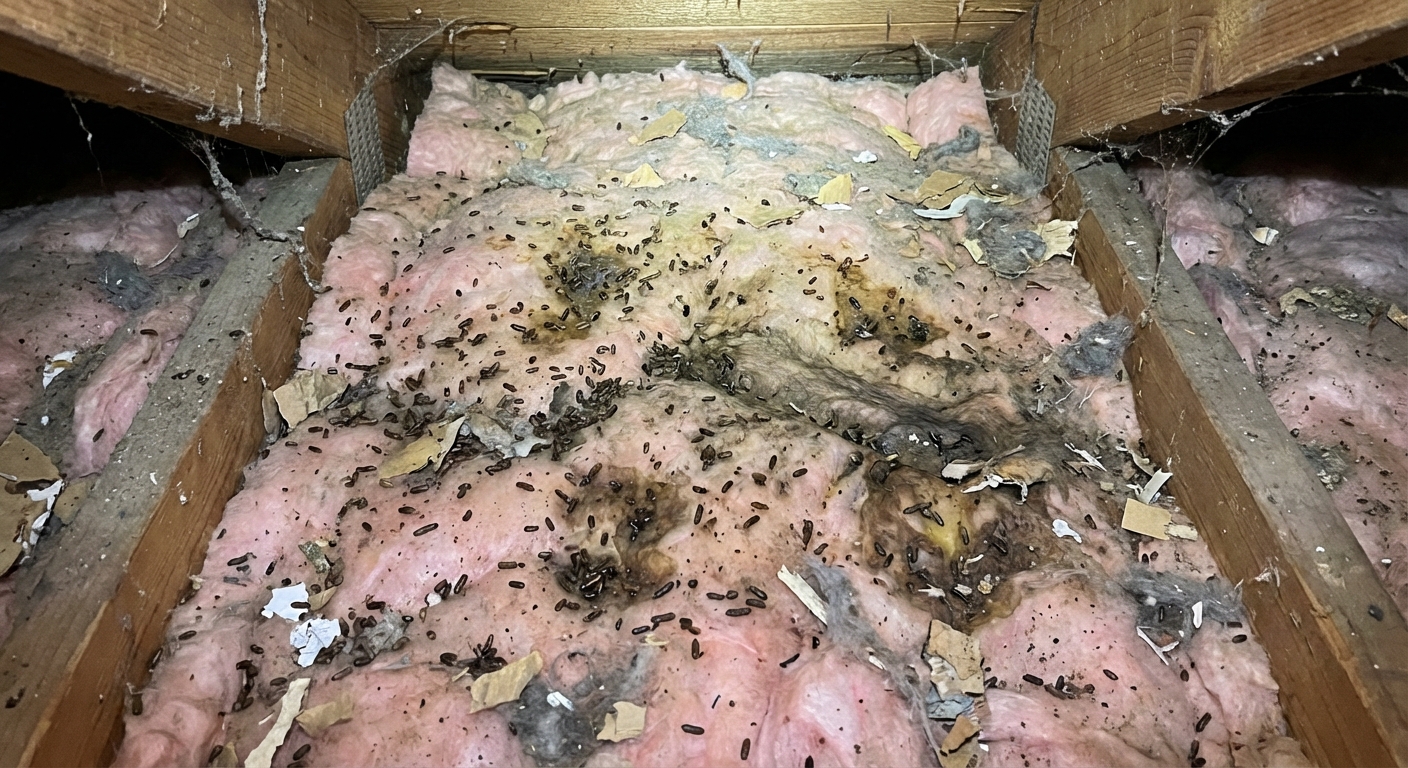
The rodents are gone. The attic is not fixed.
When most NJ homeowners search for rodent removal, they picture a technician with traps. The traps work. The rodents go. Then six weeks later the scratching is back, because the holes the rodents came through were never sealed.
We are Attic Fanatics. Rodent Remediation and Attic Insulation is what we do. Removal is one part. Exclusion (sealing the entry routes) is the second. Remediation (cleaning the contamination and replacing the insulation they damaged) is the third. The fix that lasts is all three.
One inspection. One written estimate. The full attic fix in plain English before you commit.
Get My Free InspectionThe three-part fix
Removal. Exclusion. Remediation.
Each part on its own is incomplete. Together, they end the cycle. Here is what each one does and what happens when a contractor stops short.
01
Removal
Take the active rodents out of the attic. Trapping, monitoring, and follow-up checks until the activity stops.
If you stop here: the same entry holes are still open. The next group moves in within weeks.
02
Exclusion
Seal every rodent entry route. Soffit gaps (the underside of your roof overhang), gable vents, roof-line junctions, utility penetrations, chimney chase openings.
If you stop here: the contamination they already left in the attic still sits in the insulation, with the smell and the health risk.
03
Remediation
Clean the contamination. Remove the affected insulation. Replace what was damaged. Restore the attic to a working condition.
If you stop here: This is where the actual fix lives. Pair it with removal and exclusion and you stop the cycle for good.
How they get in
Six routes that put rodents in your attic
Mice exploit gaps as small as a quarter inch. Rats need about half an inch. Both follow the same routes, and the routes are predictable. This is what we look at on every NJ inspection.
Soffit gaps
The underside of your roof overhang. Original construction often leaves quarter-inch openings between the soffit panel and the wall, big enough for mice.
Gable vents
The triangular vents at the peak of the gable end. Loose screens, missing screens, or oversized mesh openings let rodents walk straight in.
Roof-line junctions
Where the roof meets a wall, a chimney, or another roof. Flashing (the metal sealing strip between roof sections) wears, gaps open, and rodents follow the edge in.
Utility penetrations
Where wires, pipes, gas lines, and HVAC enter the attic. The rough cuts around them are often left unsealed by the original installer.
Chimney chase
The wood-framed enclosure around the chimney. Rodents climb the chimney exterior, find the gap at the top, and drop into the attic.
Roof vents and ridge openings
Mushroom vents, turbine vents, and the cap at the peak of your roof. When the screens fail or the cap pulls away, the attic is wide open.
Want the full breakdown of every entry route and how we seal it?
Read about rodent-proofing and exclusion workWhy NJ
Why New Jersey attics see this so often
We have inspected attics in every NJ county. The pattern is consistent. Four reasons drive most of it.
Older NJ housing stock
Many NJ towns are full of homes built between 1920 and 1980. Original soffits, original gable vents, and original utility penetrations are all common rodent routes that no one ever sealed.
Tree-lined neighborhoods
Mature trees give squirrels and roof rats a highway to your roof. Branches over the roof line shorten the trip from yard to attic to almost nothing.
Cold winters and hot summers
The attic is the most temperature-stable space rodents can find. NJ winters and summers both push them in. Activity peaks in fall and again at the start of spring.
Construction patterns
Common gable-roof and Cape Cod profiles across NJ leave predictable rodent routes. We know where to look because we have looked at thousands of NJ attics.
Our process
How a full attic rodent job actually works
Free attic inspection
We send a person out, photograph the attic, and identify every rodent entry route. You see the photos before any work starts. No fee, no obligation.
Written estimate
We write up the job in plain English. Removal, exclusion, remediation. What is included, what is not, and the full price. No bait-and-switch.
Removal and trap monitoring
Active rodents are trapped and monitored until the activity stops. We confirm the attic is empty before we close it back up.
Exclusion seal-out
Every identified entry route is sealed with steel mesh, professional sealant, and other rodent-resistant materials. Photos of every seal go in your file.
Remediation and insulation
Affected insulation is removed with HEPA-filtered equipment. The attic deck (the plywood your shingles are nailed to, viewed from inside) is HEPA vacuumed. New insulation is installed where damaged material came out, typically R-38 blown-in cellulose or fiberglass.
Photo documentation handoff
You get a folder of before-and-after photos: contamination, entry holes, sealed repairs, finished attic. Useful for your own records and for any insurance claim.
Where attic rodent jobs go wrong
Three ways NJ homeowners pay twice
Removal-only contractors
An exterminator who traps the rodents but does not seal the entry holes is selling you a temporary fix. The next group is already on its way.
Sealing without removing first
Sealing the holes while rodents are still inside traps them in your attic. They die in walls, smell for months, and you still have the contamination.
Topping new insulation over old
Blowing fresh insulation on top of contaminated material hides the smell for a season and locks the contamination in. The right move is to inspect what is there first.
What is included
The full attic rodent job, written down
We put the whole job in your written estimate so there is no guessing what you are getting.
- Free attic inspection with photos of every rodent entry route
- Written estimate with the full job and the full price, no surprises
- Removal of active rodents with trap monitoring until the activity stops
- Exclusion sealing at soffits (underside of your roof overhang), gable vents, roof-line junctions, utility penetrations, and chimney chase
- HEPA-vacuumed cleanup of contamination
- Replacement of damaged insulation, typically to AF default R-38 blown-in
- Photo handoff: before, during, and after
- NJ HIC #13VH12119000, fully insured
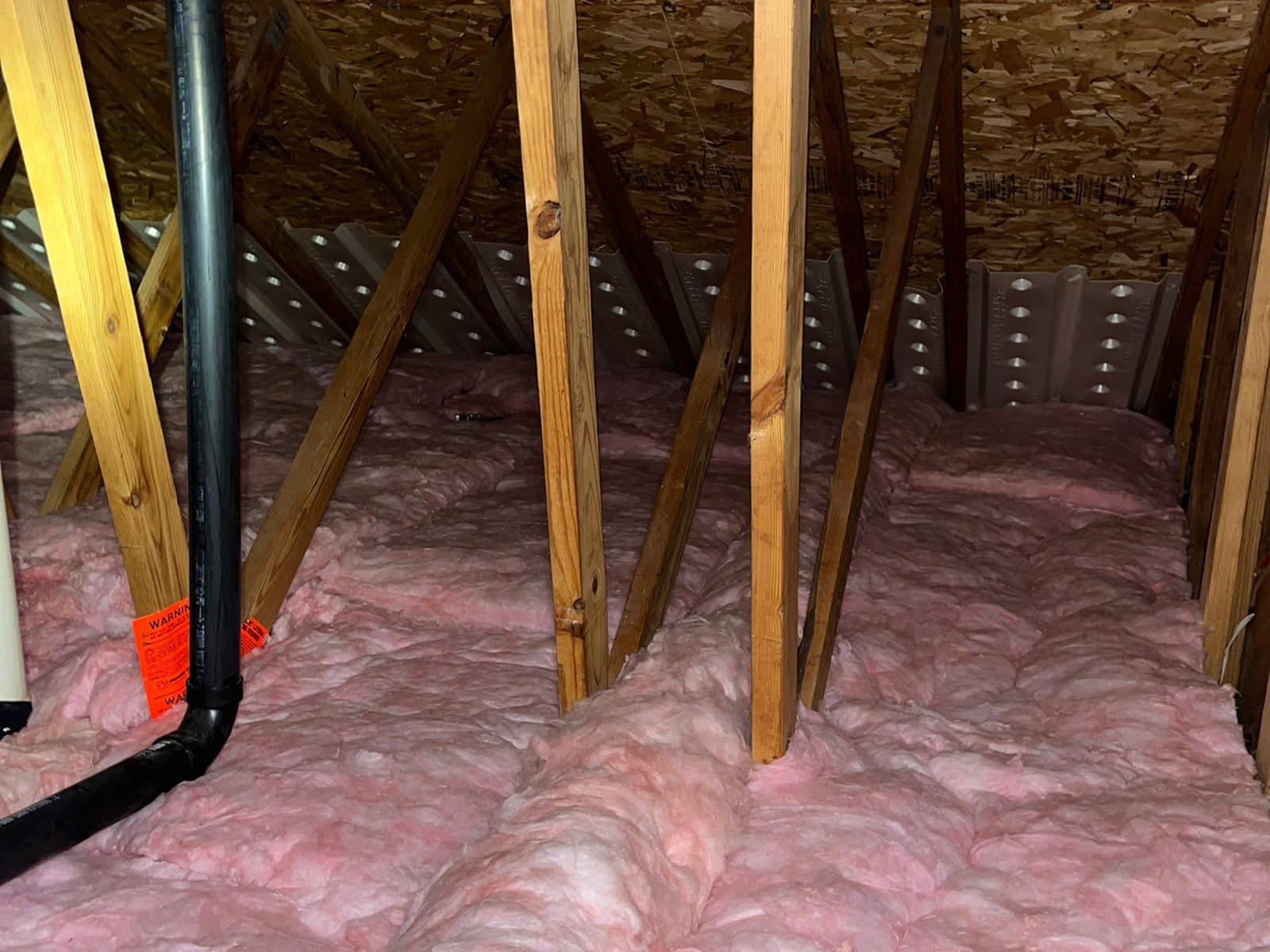
One job. Removal, exclusion, remediation. Done right.
About the price
What does it cost?
Honest answer: the price depends on the size of the attic, the level of contamination, the number of entry routes, and whether new insulation is part of the job. Anyone who hands you a flat number before walking the attic is guessing. We inspect first, then put the full price in writing.
For a deeper breakdown of what drives the price and how the three tiers of attic rodent work compare, read the cost companion to this page.
See the NJ attic rodent cost guideRelated work
Attic cleanout
Cleanout of droppings, urine-soaked insulation, and nesting debris after a rodent infestation.
Rodent-proofing
The exclusion side of the job. Sealing every gap so rodents cannot get back in.
Attic restoration
The full attic restore: removing damaged material, sealing, and installing new insulation.
Filing an insurance claim?
We photograph and document every phase of the work: the contamination, the removal, the entry-point sealing, and the final attic condition. Many NJ homeowner's insurance policies cover wildlife damage remediation. We provide the documentation an adjuster expects. We cannot guarantee what your policy covers, but our paperwork is thorough.
Get a written attic rodent estimate
Free NJ inspection. Full price in writing. No obligation.
Call (732) 351-2005