Squirrel Removal from Attics in NJ, NY & PA
Squirrels in your attic? We find the entry, remove them, and seal it for good.
Scratching at dawn, chewing overhead, or acorns in the attic usually means there is an open roofline entry. We inspect for free, show you photos, remove the squirrels humanely, seal the entry points with metal, and explain cleanup or insulation damage before work starts.
What that scratching usually means
Six signs you have squirrels in the attic
Scratching at dawn and dusk
Gray squirrels are most active at sunrise and sunset. Scratching, scurrying, or rolling sounds overhead during those hours usually point to squirrel activity.
Roofline or soffit gaps
Squirrels enter through openings along the roofline, soffit intersections, gable vents, and fascia edges. Even a gap the size of a baseball is enough.
Chewed trim or fascia
Squirrels gnaw wood, vinyl, and aluminum to widen small openings. Chew marks on trim, fascia, or vent covers are a strong indicator.
Nesting material in the attic
Leaves, twigs, shredded insulation, and torn cardboard packed between joists or in corners. Squirrels build nests quickly once they have access.
Acorn or nut caches
Piles of acorns, walnuts, or hickory nuts stored in the attic or wall cavity. Squirrels cache food near their nesting sites.
Nocturnal sounds (flying squirrels)
Softer scratching and thumping at night, sometimes from multiple areas. Flying squirrels are nocturnal, travel in colonies, and use several entry points at once.
Inspection-first approach
We find the entry before we sell the fix.
Some approaches address the visible animal without checking the roofline, soffits, or vents where the actual entry is. That leaves the door open for the next one.
We inspect first. The full roofline, every soffit intersection, gable vents, ridge vents, utility penetrations. Inside the attic, we check for nesting, droppings, insulation damage, and secondary access routes.
You see the photos and the plan before you approve anything.
- Full exterior roofline walk
- Attic interior inspection with photos
- Entry point identification and documentation
- Insulation damage assessment
- Written plan before work begins
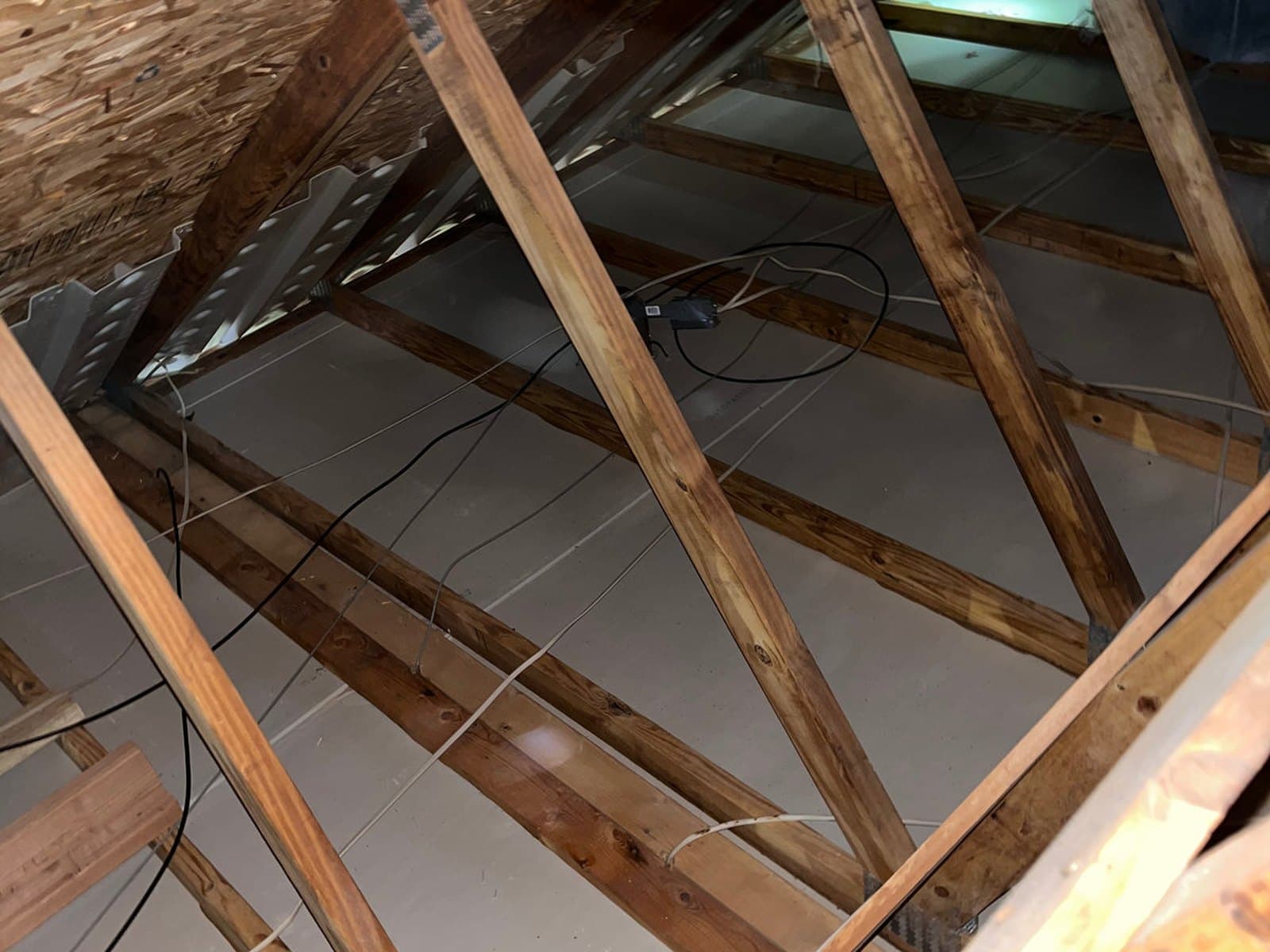
Every inspection starts at the roofline.
Our process
How squirrel removal from an attic actually works
Inspect the roofline and attic
We walk the roofline, check soffits, fascia, gable vents, and ridge vents from outside, then inspect the attic interior for nesting, droppings, insulation damage, and active entry routes. You get photos of everything we find.
Humane removal or exclusion
We install one-way exclusion devices at the primary entry so squirrels leave naturally and cannot return. No poisons, no unnecessary trapping. We confirm activity has stopped before sealing.
Seal every entry point with steel mesh
Every identified opening is sealed with galvanized steel mesh rated for wildlife. Soffit gaps, vent openings, fascia damage, and utility penetrations are all addressed.
Assess and restore if needed
We check the insulation for compression, nesting damage, and contamination. If sections need replacing, we tell you which ones and why. If the insulation is fine, we leave it alone.
Photo closeout
You receive before-and-after photos of every entry point, the sealed repairs, and the attic condition. Full documentation for your records or insurance.
Common problems
Steps that get skipped more often than you would think
Removal without sealing
If the squirrel is removed but the entry point is not sealed, the opening stays accessible. New squirrels can find the same gap within days or weeks.
Sealing without a full inspection
Sealing only the obvious opening can leave secondary entry points unaddressed. Squirrels may re-enter through gaps that were never checked.
Skipping the cleanup assessment
Nesting debris, droppings, and compressed insulation can remain in the attic after the squirrels are gone. A post-removal assessment determines whether any cleanup is needed.
Documented work
Real entry points, real seals, real documentation
Every inspection includes photos of the entry points, the roofline condition, and any attic damage. After the work, you get photos of the sealed repairs and the final condition. You see everything without climbing a ladder.
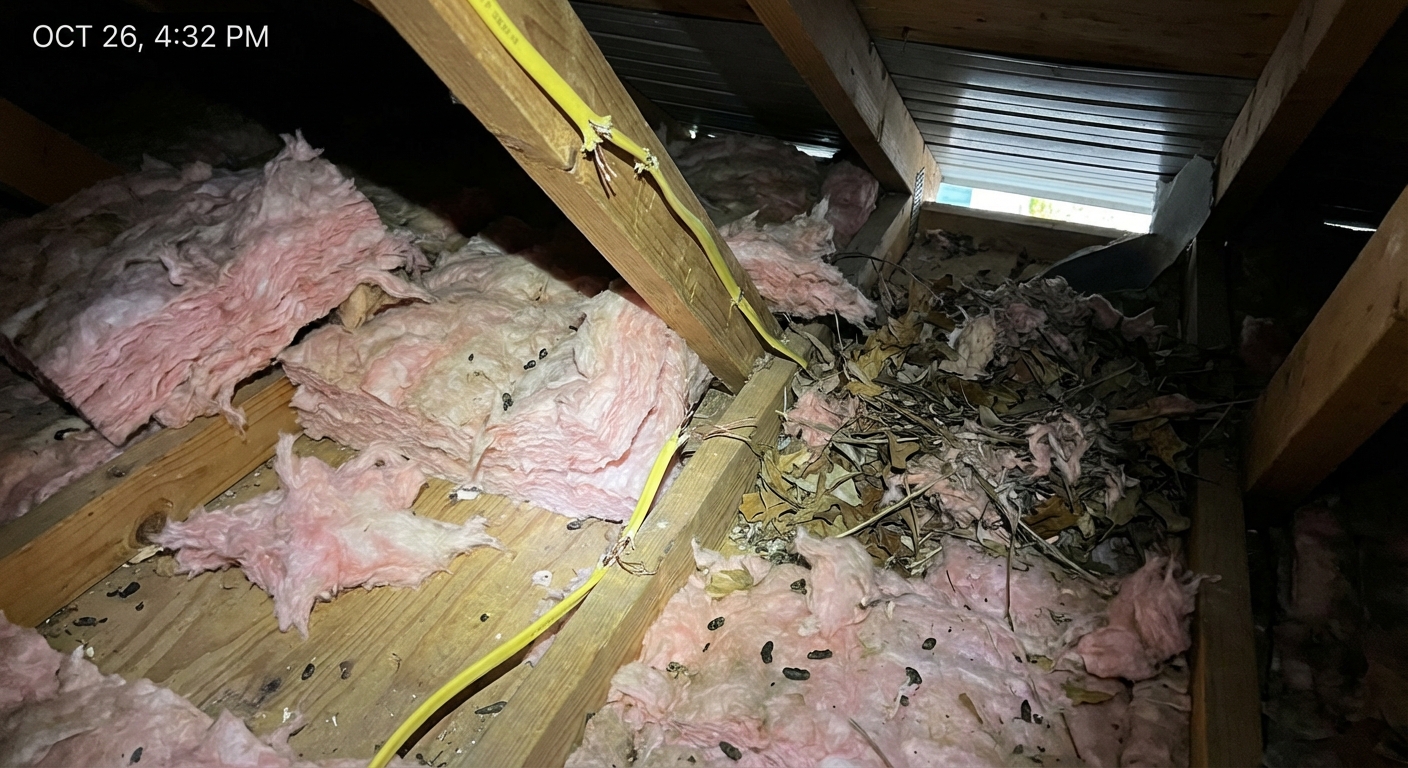 Before
Squirrel activity and attic impact documented before work starts.
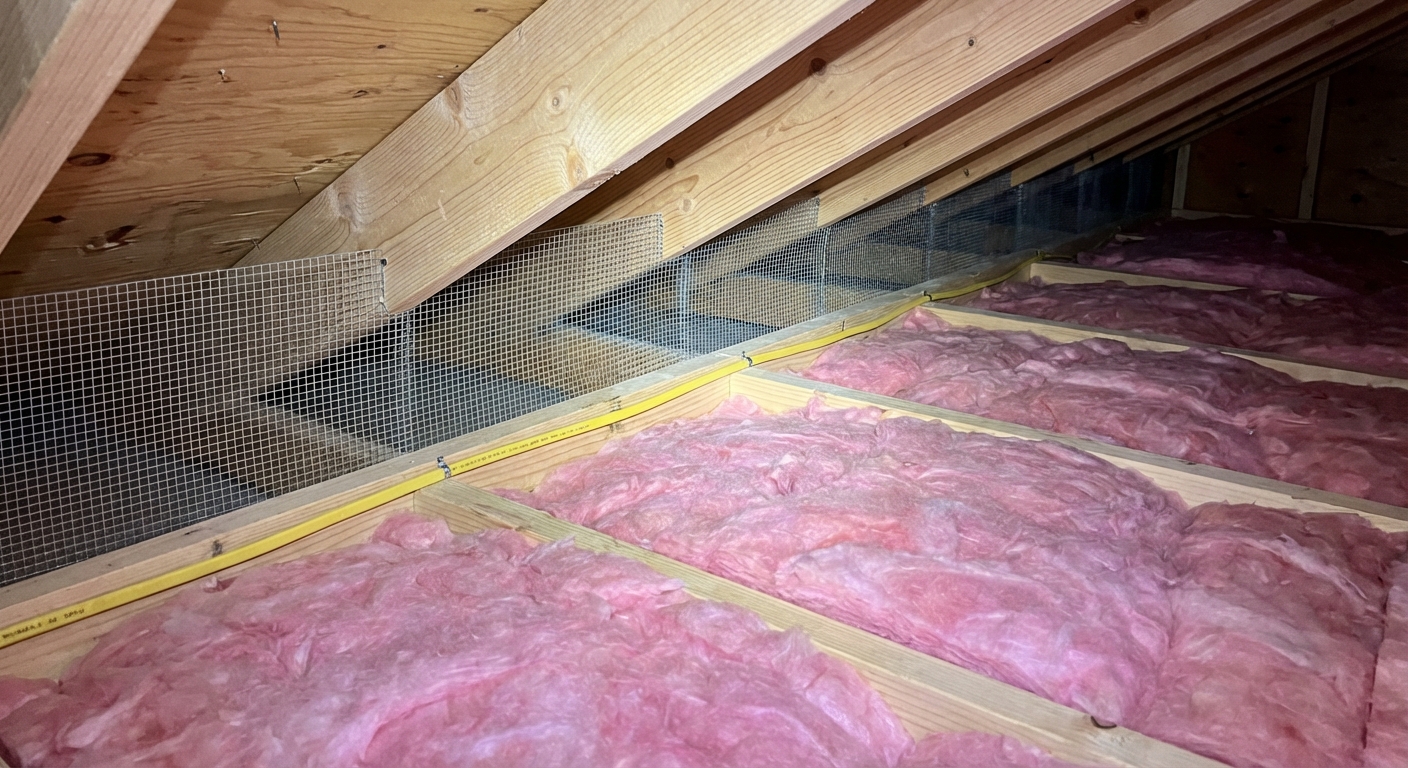 After
AfterFinished attic condition documented after exclusion and cleanup.
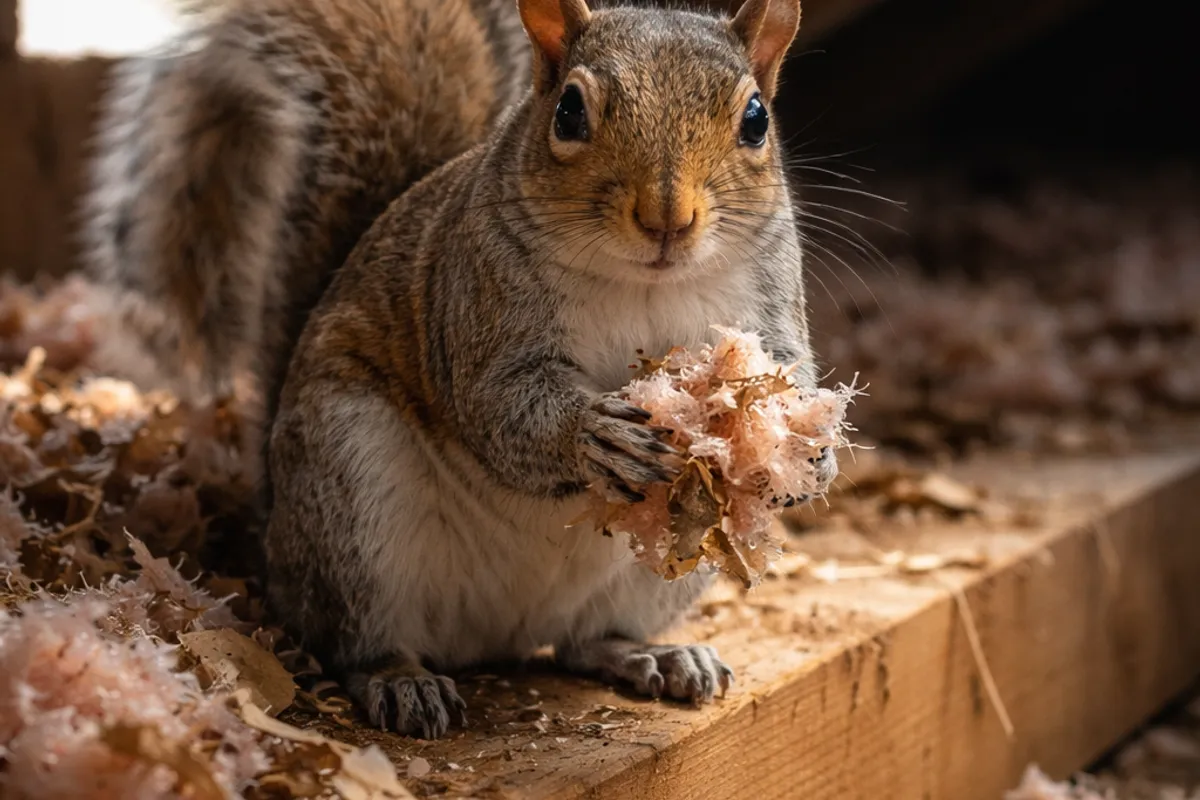 Attic check
The attic is checked for nesting, droppings, and insulation damage.
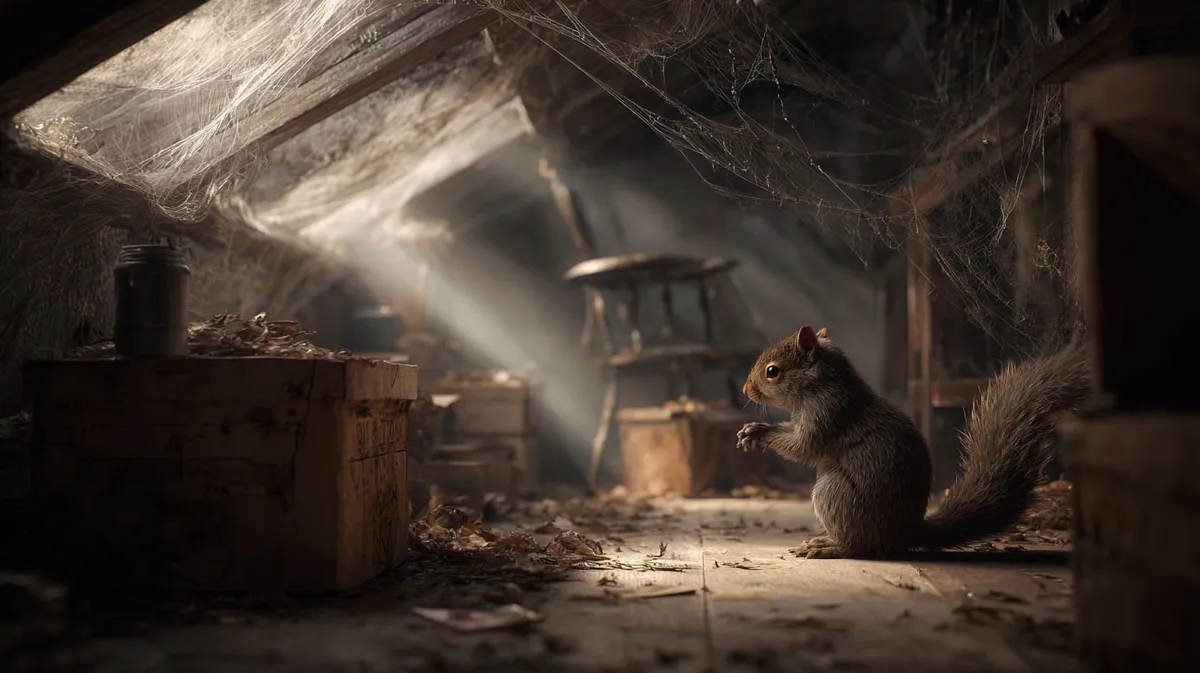 Removal
Removal and exclusion are documented before the final closeout.
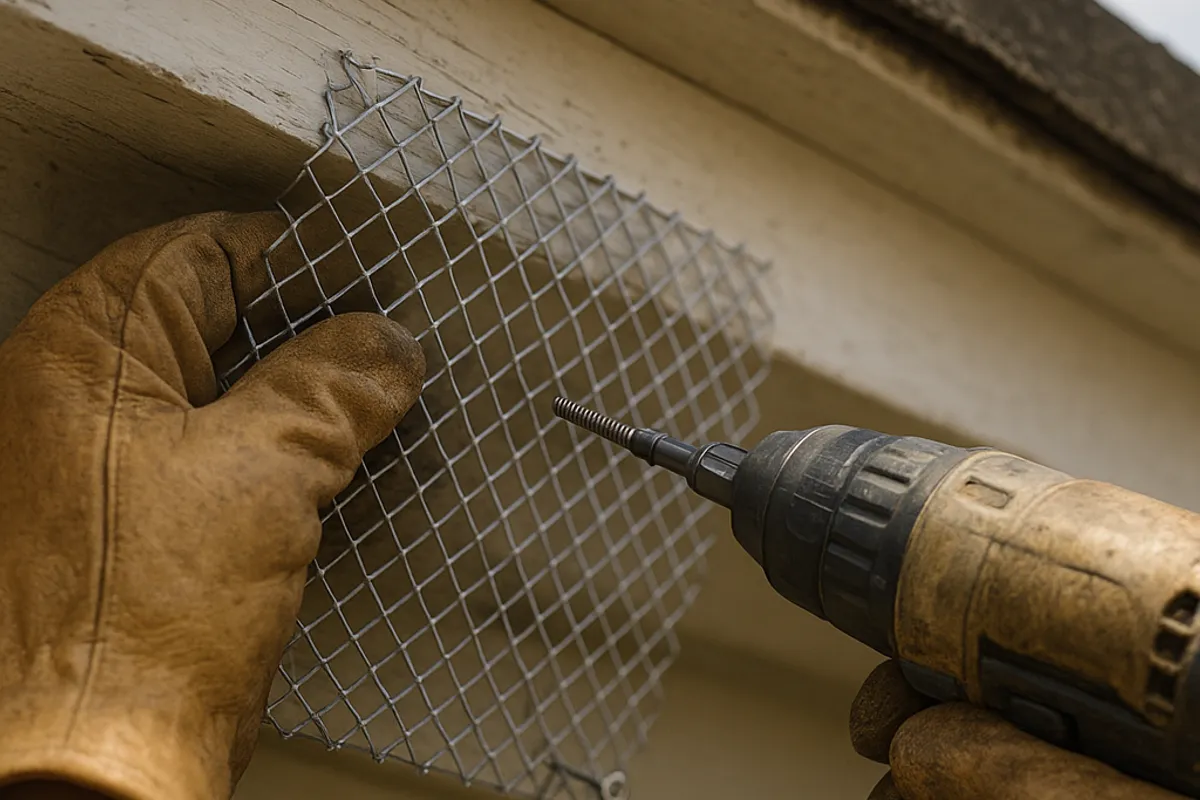 Seal-out
Openings are sealed after the animal is out and activity stops.
CloseoutCloseout photos show the final condition after the work is complete.
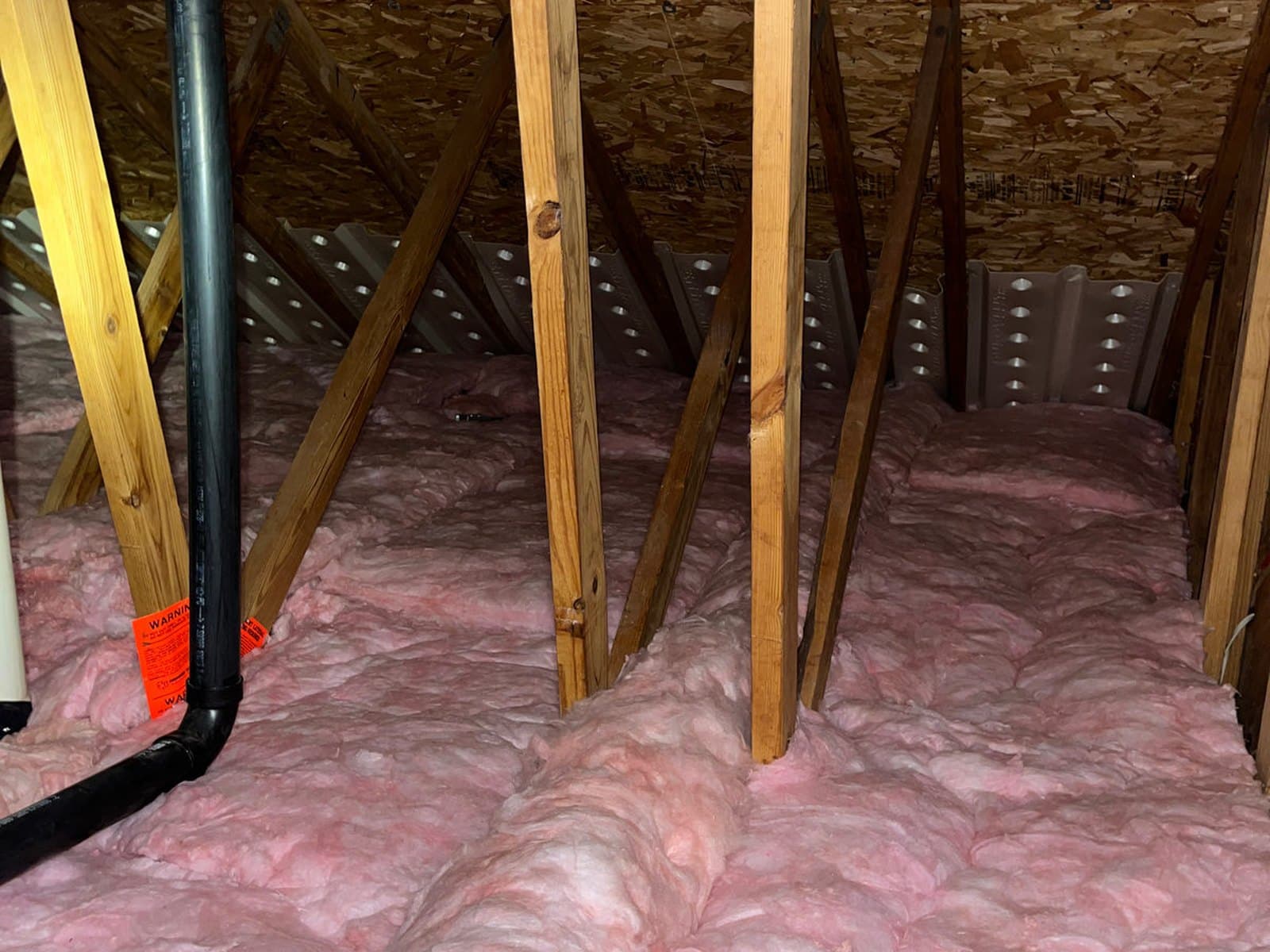
We find where they got in, remove them humanely, and seal the opening permanently.
Know what you are dealing with
Gray squirrels vs flying squirrels
The type of squirrel changes the inspection, the exclusion plan, and the timeline. Here is how they differ.
Gray squirrels
- Active at dawn and dusk (diurnal)
- Usually a solo animal or a pair
- Louder scratching, scurrying, rolling sounds
- Typically one primary entry point
- Larger body, needs a bigger opening
- Exclusion usually resolves in a few days
Flying squirrels
- Active at night (nocturnal)
- Travel in colonies of 5 to 20+
- Softer scratching, thumping, sometimes from multiple areas
- Multiple entry points across the roofline
- Smaller body, can fit through gaps under two inches
- Exclusion takes longer due to multiple access routes
Not sure which type? That is what the inspection is for.
We identify the species, count the entry points, and plan the exclusion plan accordingly. The inspection is free, and you get photos of everything we find.
Get your free squirrel attic inspection
Free inspection. Full plan in writing. No obligation.
Call (732) 351-2005