On this page
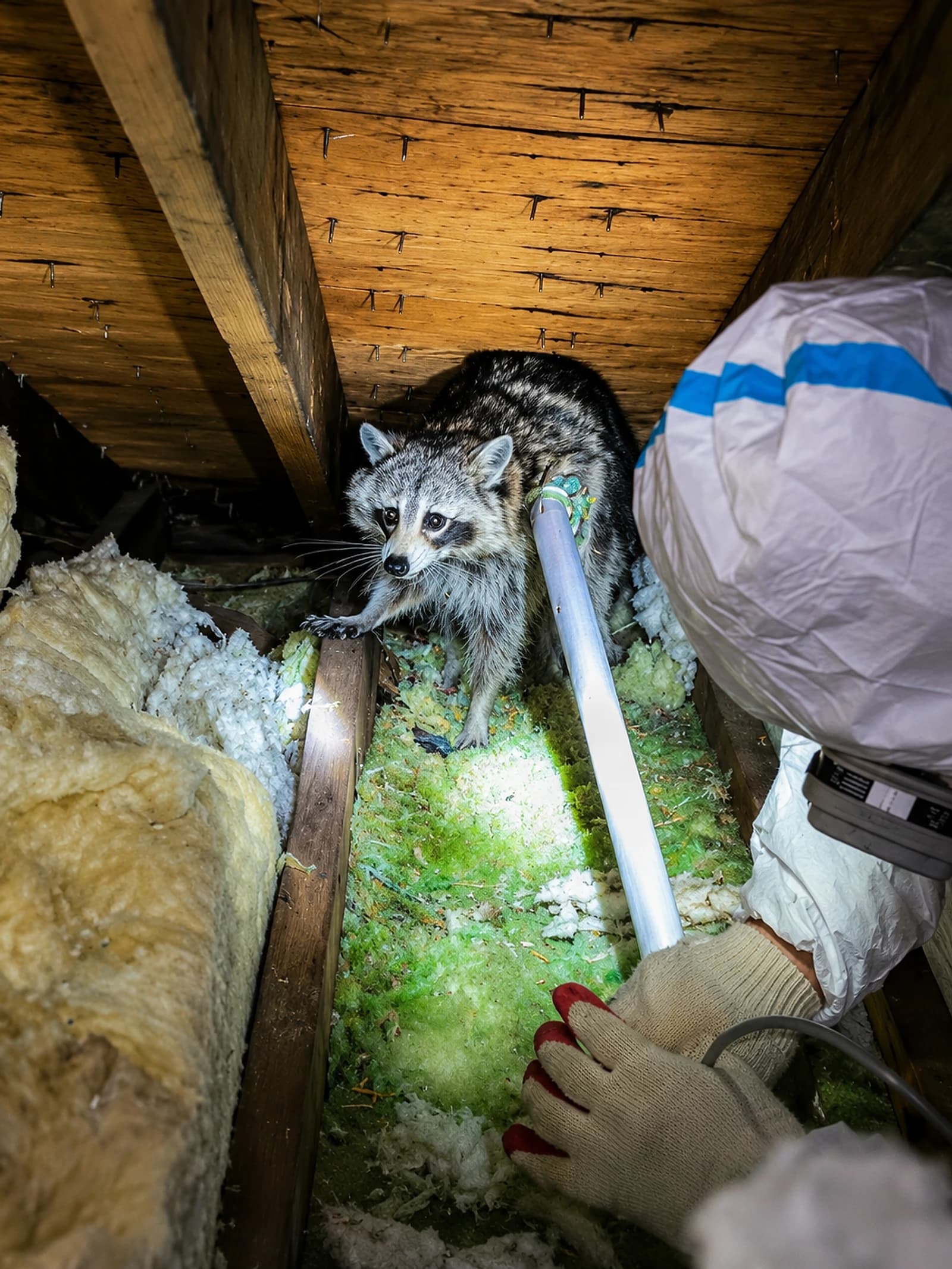
Yes, animals in your attic absolutely can cause house fires, primarily through damage to electrical wiring. In fact, rodents are responsible for up to a quarter of all fires with unknown causes in the United States. This risk shows up firsthand in attics regularly.
The Hidden Danger Above Your Head
A common scenario: pulling back the insulation in a Warren Township attic reveals exactly what no one wants to see, exposed copper wiring with the plastic coating completely stripped away by rodent teeth. A homeowner who has been hearing scratching for weeks but didn't think it was urgent learns that those bare wires, inches from wood beams and surrounded by flammable insulation, are no longer just a noise problem. This is a fire waiting to happen.
Every year, fire departments across America respond to tens of thousands of house fires caused by electrical problems. What many homeowners don't realize is that a significant portion of these fires start because of wildlife damage. When rodents chew through wire insulation, they create a perfect scenario for an electrical fire, and they do it in the one place you rarely look: your attic.
Why Animals Target Electrical Wiring
A common question is: 'Why do they chew the wires?' The answer has to do with rodent biology and behavior. Rats, mice, and squirrels have continuously growing incisor teeth. In the wild, they wear these teeth down by chewing on hard materials like tree bark and nuts. In your attic, they find something else to gnaw on: your electrical wiring.
But it's not just about dental maintenance. Rodents are also drawn to the warmth that electrical wires emit. During cold New Jersey winters, they'll build nests near warm wiring and junction boxes. The problem is, they don't just nest nearby. They chew through the protective coating, leaving bare copper wires exposed.
What makes this especially dangerous is that you rarely see the damage happening. Your attic's dark corners and tight spaces create perfect hiding spots for rodents to work undetected. By the time you notice signs of a problem, they may have already compromised multiple electrical lines.
| Factor | Mice | Rats | Squirrels |
|---|---|---|---|
| Entry point size | ¼ inch gap | ½ inch gap | 1½ inch hole |
| Chewing damage level | Moderate | Severe | Very severe |
| Fire risk level | High | Very high | Very high |
| Typical location | Wall cavities, insulation | Attic rafters, ductwork | Attic, soffits, eaves |
Attics turn up nests packed right on top of recessed lighting, wires blackened from short circuits, and entire runs of cable chewed down to metal.
The True Cost of Ignoring the Problem
Some homeowners assume their homeowner's insurance will cover electrical fire issues. Here's the harsh reality: many insurance companies consider rodent damage a maintenance issue, not a covered peril. If they can prove you knew about wildlife activity and didn't address it, they might deny your claim entirely.
But the financial risk goes beyond potential fire damage. Wildlife in your attic typically causes multiple forms of damage simultaneously. While they're chewing on wires, they're also destroying your insulation. Damaged insulation from wildlife activity commonly increases energy costs by 20 to 30%. That's hundreds of dollars added to your utility bills before you even factor in the fire risk.
The jobs that hurt the most are the ones where homeowners waited. A simple wildlife removal job can escalate into a complete attic restoration project, with costs running into the tens of thousands. And that's assuming you catch it before a fire starts.
Warning Signs You Can't Ignore
Across thousands of attic inspections, there are several reliable warning signs that indicate you have both wildlife and potential electrical damage:
- Flickering lights or intermittent power issues in upstairs rooms
- Strange burning smells, especially from ceiling fixtures or vents
- Scratching or scurrying sounds in walls or ceilings
- Droppings near electrical fixtures or junction boxes
- Visible gnaw marks on exposed wires or cables
- Nesting material near electrical components
Here's what makes these signs particularly dangerous: they often appear gradually. A light might flicker once or twice a week. You might hear scratching only at night. It's easy to dismiss these as minor annoyances. But these 'minor' signs often indicate major problems developing in your attic's electrical system.
Health Risks Beyond Fire Hazards
Beyond fire risks, it's important to understand that wildlife in your attic creates multiple hazards simultaneously. The same attics with damaged wiring also have contaminated insulation and potential disease vectors.
Disturbing areas with accumulated droppings during electrical repairs can release airborne pathogens. This is why proper safety equipment and professional handling are essential. You're not just dealing with electrical hazards, but biological ones as well.
Homeowners who try DIY electrical repairs in wildlife-infested attics put themselves at risk of both electrocution and exposure to animal-borne diseases. This is exactly why professional assessment and repair matter. The risks compound quickly when multiple hazard types are involved.
Professional Solutions and Prevention
A comprehensive professional response follows a three-step approach:
- First, the animals are removed and every possible entry point is sealed. This stops the problem from getting worse.
- Next, licensed electricians assess and repair any compromised wiring. This often involves thermal imaging to identify hot spots and potential fire hazards that aren't visible to the naked eye.
- Finally, the attic is restored: replacing contaminated insulation, sanitizing the space, and ensuring proper ventilation to discourage future wildlife intrusion.
Comprehensive attic restoration involving electrical repair is a significant project, but it is a fraction of what fire damage could cost, both financially and personally. A proper job inspects first and matches the work to the actual damage.
Frequently Asked Questions
How quickly can animals damage electrical wiring?
Will my homeowner's insurance cover animal-caused electrical damage?
What's the most common type of animal that causes electrical fires?
How can I tell if animals have damaged wiring in my attic?
What should I do if I suspect animals are damaging my attic wiring?
Hearing animals in the attic or noticing electrical issues in the home is a signal not to wait for an emergency. A professional attic inspection, which typically takes about 30 minutes, can identify the damage and might just prevent a fire.
