On this page
On this page
- Attic Insulation Cost by Type in NJ
- Fiberglass Batts
- Blown-In Fiberglass
- Blown-In Cellulose
- Spray Foam (Open-Cell and Closed-Cell)
- Insulation Removal + Replacement
- What Affects Attic Insulation Cost
- Why Insulation Pays for Itself
- The ROI Case: Why Insulation Is One of the Best Home Improvements
- When to Replace vs. When to Add
- Replace When:
- Add When:
- Frequently Asked Questions
- How Much Does Attic Insulation Cost in NJ?
- Next Steps
NJ utility costs are among the highest in the country, and they got worse in late 2025 when NJ natural gas rates rose 16% in a single month, hitting over 500,000 families. Here is what goes into attic insulation cost in New Jersey, what affects the final number, and why insulation is one of the best investments you can make in your home.
Attic Insulation Cost by Type in NJ
Insulation costs vary by material, attic size, and whether you are adding to existing insulation or replacing what is already there. Each material has trade-offs in cost, performance, and application:
Fiberglass Batts
Fiberglass batts are the most common attic insulation in NJ and the product installed on most jobs. They are cost-effective, fast to install, and deliver reliable R-value when properly fitted between joists. For standard attic layouts with uniform framing, batts are the right call. Cost varies by attic size, accessibility, and R-value target.
Blown-In Fiberglass
Blown-in fiberglass fills irregular spaces more completely than batts, which matters in older NJ homes where attic framing is rarely uniform. It does not absorb moisture, making it a good option where past moisture issues exist. Lighter than cellulose and puts less load on ceiling structures.
Blown-In Cellulose
Cellulose is made from 80 to 85% recycled newspaper and delivers strong thermal and sound performance. It fills voids well and is a solid option for supplementing existing insulation or addressing irregular attic geometry. Cost is comparable to blown-in fiberglass.
Spray Foam (Open-Cell and Closed-Cell)
Spray foam provides both insulation and air sealing in a single application, which is its main advantage. Closed-cell foam has the highest R-value per inch of any residential insulation. The trade-off is cost. Spray foam is the most expensive option. For certain attic configurations it delivers a performance edge that justifies the investment, but for most projects, batts or blown-in with targeted air sealing delivers a better cost-to-performance ratio.
Insulation Removal + Replacement
If the existing insulation needs to come out because of wildlife contamination, water damage, age, or compression, removal adds to the total project cost. A full remove-and-replace job depends on attic size and the condition of the existing material. More on when removal is necessary below.
What Affects Attic Insulation Cost
Four factors drive the final number:
- Attic size. Measured in square footage of the attic floor. Most NJ homes range from 800 to 2,000 square feet of attic space.
- Accessibility. Attics with full-height access, pull-down stairs, and clear pathways cost less to work in. Low-clearance attics, limited access points, and cluttered spaces increase labor time and cost.
- Removal needed. If existing insulation is contaminated, water-damaged, or severely compressed, it needs to come out before new material goes in. Blowing new insulation over contaminated material is a waste of money: it does not solve the air quality problem and the old material continues to degrade.
- Contamination cleanup. If the insulation was damaged by rodents, the attic likely needs decontamination and sanitization before reinstall. Wildlife contamination sharply degrades insulation's R-value, and in nesting areas it drops to effectively zero. The decontamination step adds cost but is not optional if you want the new insulation to perform in a clean environment.
Why Insulation Pays for Itself
Most homeowners think of insulation as a cost. It is actually an investment with a measurable return. Proper attic insulation reduces your heating and cooling bills, improves comfort in every room, and increases your home value.
The EPA estimates that air sealing plus added attic insulation saves an average of 15% on heating and cooling costs. For NJ homeowners dealing with some of the highest utility rates in the country, that translates to meaningful annual savings. Remodeling Magazine's 2016 Cost vs. Value Report found fiberglass attic insulation delivered a 117% return on investment in home resale value.
Beyond energy savings, insulation directly affects air quality. Air moves constantly between the living space and the attic through ceiling penetrations, ductwork, and the stack effect. Contaminated, damaged, or inadequate insulation means contaminated air, uneven temperatures, and an HVAC system working harder than it should.
The ROI Case: Why Insulation Is One of the Best Home Improvements
Here is the math most insulation pages skip:
NJ utility costs are among the highest in the nation. The EPA estimates that air sealing plus added attic insulation saves an average of 15% on heating and cooling costs. That reduction compounds year after year for the life of the insulation.
Most properly installed insulation projects pay for themselves within a few years through energy savings alone. After payback, the savings continue for 20 to 30 years.
On top of the energy savings, Remodeling Magazine's 2016 Cost vs. Value Report found that fiberglass attic insulation delivered a 117% return on investment in home resale value, the only project in that year's report to return more than its cost. That means the insulation pays for itself even if you never live in the house long enough to recoup the energy savings.
The insulation pays for itself even if you never live in the house long enough to recoup the energy savings.
When to Replace vs. When to Add
Not every insulation job requires removal. Here is how to tell the difference:
| Replace | Add | |
|---|---|---|
| Wildlife contamination | Yes. Droppings and urine destroy R-value and pose health risks. | No. Contaminated material must come out first. |
| Water damage | Yes. Wet insulation promotes mold and does not recover. | No. Cannot add over water-damaged material. |
| Severe compression | Yes. Compressed to half depth = half R-value lost. | Only if compression is minor and localized. |
| Age (30+ years) | Usually. 1970s/80s batts are often well below effective R-value. | Only if existing material is still performing. |
| Clean but shallow | Not needed. Existing material is still doing its job. | Yes. Add enough material to reach the practical target from the inspection. |
| Uneven coverage | Not needed unless contamination is present. | Yes. Fill gaps and thin spots to even out performance. |
Replace When:
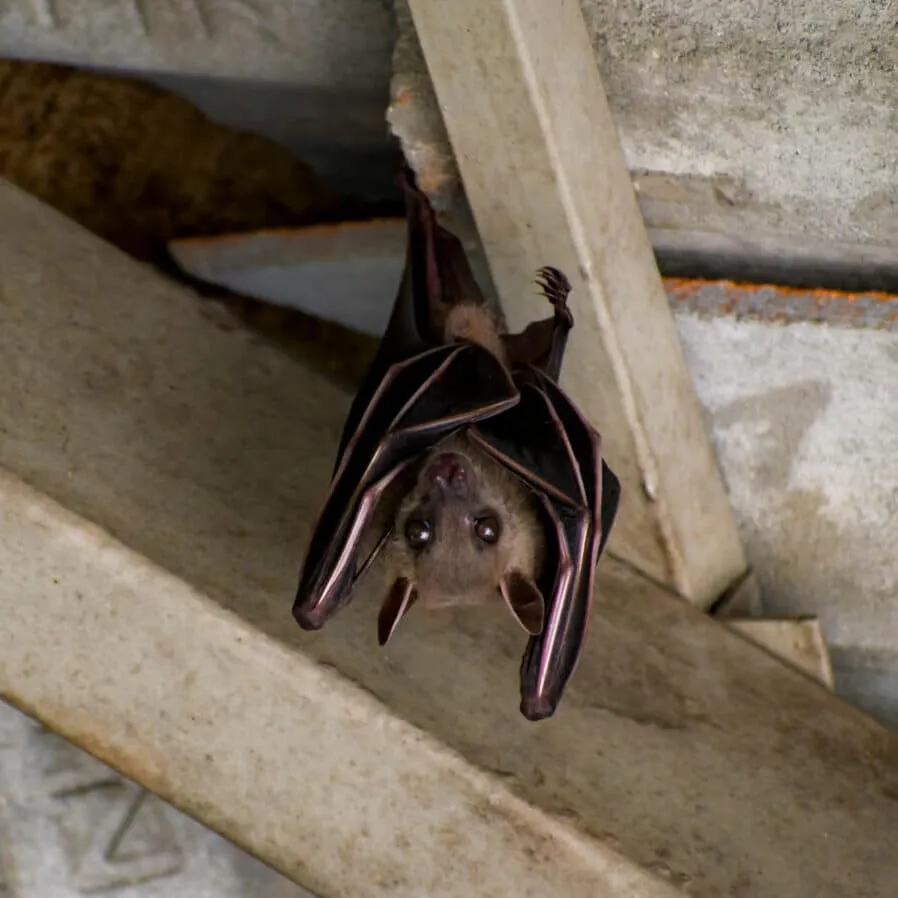
- Wildlife contamination. If mice, raccoons, squirrels, or bats lived in the attic, the insulation is contaminated with droppings and urine. Contaminated insulation loses its thermal performance and poses real health risks. It needs to come out.
- Water damage. Wet insulation loses thermal performance, promotes mold growth, and does not recover when it dries. If the insulation got wet from a roof leak, condensation, or plumbing issue, replace it.
- Severe compression. Insulation that has been compressed to half its original depth has lost roughly half its R-value. Walking on insulation, storing items on it, or animal traffic all cause compression.
- Age. Insulation does degrade over time. Fiberglass batts installed in the 1970s or 1980s are often well below effective R-value. If your home is 30+ years old and the insulation has never been replaced, it is likely underperforming.
Add When:
- Existing insulation is clean and intact but shallow. If the material is in good condition but not deep enough, insulation can be added on top. The target comes from the inspection, not from assuming every existing attic needs R-49.
- Spot coverage is uneven. Gaps, thin spots, and areas where insulation has shifted can be addressed by adding material to the underperforming zones without removing everything.
Frequently Asked Questions
Is attic insulation worth it in NJ?
What R-value do I need in NJ?
Does insulation increase home value?
How long does attic insulation last?
Can I insulate my attic myself?
How Much Does Attic Insulation Cost in NJ?
Insulation cost depends on attic size, material type, accessibility, and whether the existing insulation needs removal. Every attic is different, which is why an inspection comes first and a written proposal provides exact pricing based on the real conditions. No guessing, no flat-rate templates.
Next Steps
Whether an attic needs a replacement after wildlife damage, a top-up over clean existing material, or a performance upgrade, the plan should be built around what the attic actually needs, starting with an inspection.
The attic and the crawl space contribute to the same thermal envelope. If insulation issues extend below the living space as well, addressing both areas together maximizes the performance gains.
On this page
On this page
- Attic Insulation Cost by Type in NJ
- Fiberglass Batts
- Blown-In Fiberglass
- Blown-In Cellulose
- Spray Foam (Open-Cell and Closed-Cell)
- Insulation Removal + Replacement
- What Affects Attic Insulation Cost
- Why Insulation Pays for Itself
- The ROI Case: Why Insulation Is One of the Best Home Improvements
- When to Replace vs. When to Add
- Replace When:
- Add When:
- Frequently Asked Questions
- How Much Does Attic Insulation Cost in NJ?
- Next Steps
