
Rodent removal · Passaic, NJ
Rodent Removal
Passaic, NJ
Protecting Passaic's Dense Riverfront Neighborhoods from Rodent Invasion
With over 72,000 residents packed into just 3 square miles, Passaic is one of New Jersey's most densely populated cities at roughly 24,000 people per square mile. Approximately 77% of housing units are rentals, and the vast majority are in multi-family buildings, conditions that accelerate rodent spread between units.
- Licensed & Insured
- No Poison. Ever.
- Whole-House Plan
- Exclusion-First Approach
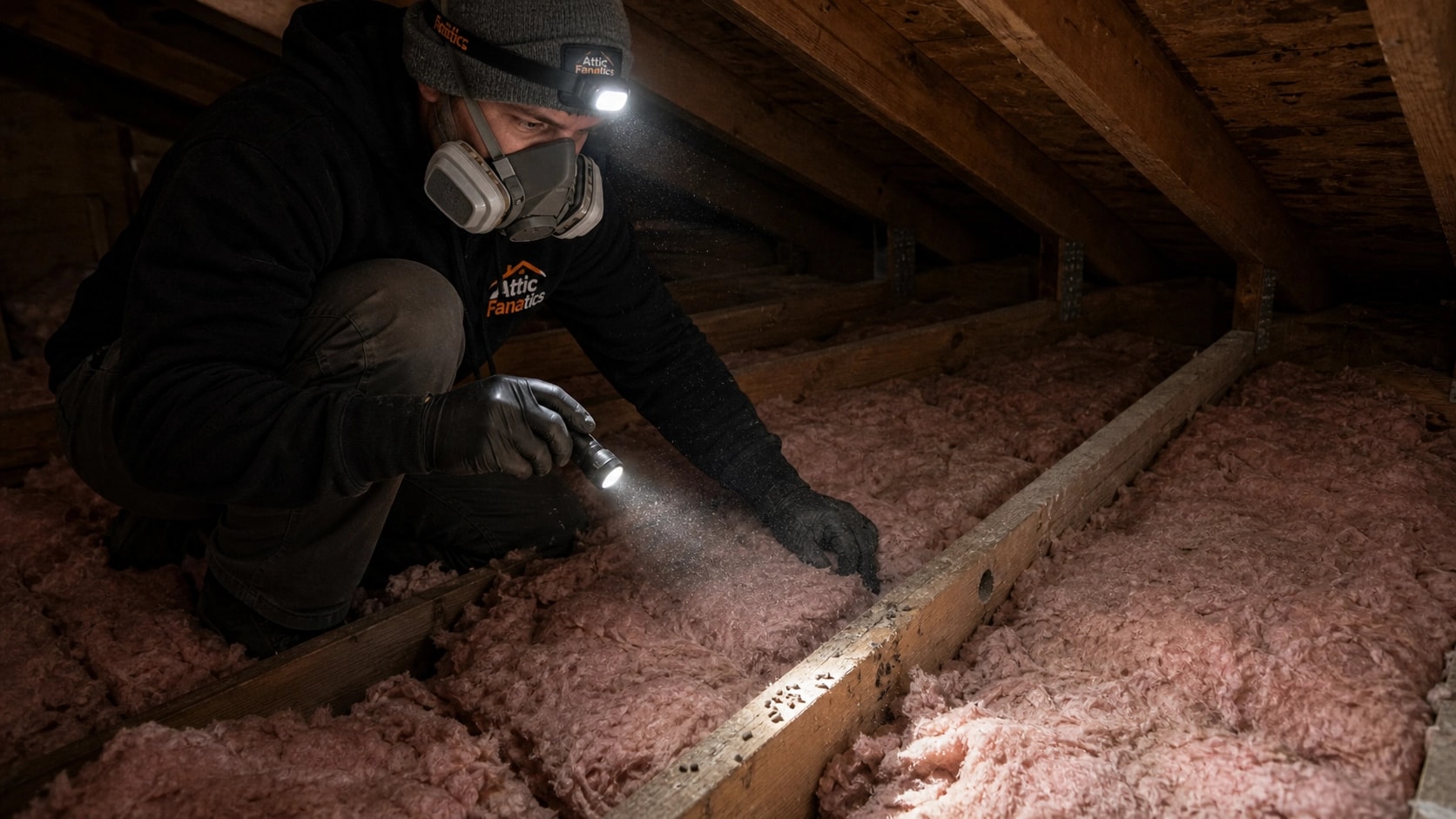
Passaic River Sewer Rodents: How Combined Sewers Feed a Year-Round Problem
Rats dominate Passaic's rodent landscape, thriving in the city's aging combined sewer system that channels both stormwater and sanitary waste through the same pipes. When heavy rains overwhelm the system, a chronic problem along the Passaic River, rodents are flushed from underground burrows into basements, alleys, and ground-floor apartments throughout the city. The Passaic River itself is a major contributor. Flooding has plagued the river basin since colonial times, and the lower valley where Passaic sits is especially vulnerable. Each flood event displaces burrowing rodent colonies from the riverbank into adjacent residential blocks, particularly in low-lying areas near Dundee Island and the Third Ward. Billions of gallons of combined sewer overflow enter the Passaic River annually, creating nutrient-rich conditions that sustain massive rodent populations along the waterfront. House mice are the secondary concern, especially in upper-floor apartments where rats are less likely to climb. In Passaic's tightly packed multi-family buildings, mice exploit shared wall cavities, plumbing chases, and utility penetrations to move freely between units, meaning one tenant's mouse problem quickly becomes the entire building's problem.
Why Passaic?
The Passaic River corridor and century-old combined sewer system create an ideal underground highway for rats, which burrow along the riverbank and travel through storm drains directly into residential basements.
Rodent Species in Passaic
Most common rodent pest in Passaic
- house mice
- roofline rodents (occasional, in taller multi-family buildings near the riverfront)
How to Know You Have Rodents in Passaic
Spot these warning signs before the problem gets worse
- 01
Rodent burrow holes appearing along building foundations and near stormwater grates, especially within two blocks of the Passaic River
- 02
Grease marks (rub marks) along basement walls and pipes where rodents follow the same travel routes nightly between sewer access and food sources
- 03
Scratching and gnawing sounds in walls and ceilings that intensify during rain events as sewer rodents seek higher ground inside buildings
- 04
Droppings concentrated near kitchen plumbing and along baseboards in ground-floor apartments, rat droppings are capsule-shaped and about 3/4 inch long
Noticed any of these signs?
Rodents reproduce fast. A small problem today becomes a full infestation within weeks.
Multi-Family Rentals and Aging Infrastructure Create Easy Access
Passaic's housing stock is overwhelmingly multi-family and renter-occupied, with the majority of apartments located in smaller complexes under 50 units. Many of these buildings date to the early-to-mid 20th century, with original foundations, deteriorating mortar joints, and utility penetrations that have widened over decades of settling. Shared basements, common laundry areas, and interconnected utility chases mean rodents that enter one unit can access the entire building without ever going outside.
Common Entry Points
- Cracked foundations and deteriorating mortar in pre-war multi-family buildings along the riverfront blocks
- Shared plumbing stacks and utility penetrations between apartment units in buildings with 4 to 12 units
- Combined sewer connections where aging clay pipes meet building foundations with deteriorated seals
- Ground-floor commercial spaces with gaps around service doors and loading areas on Main Avenue and Monroe Street
How Rodents Get Established
- Rodents entering ground-floor apartments through floor drains connected to the combined sewer system during heavy rain events along the Passaic River
- Mice traveling through shared wall cavities between adjacent apartments in multi-family buildings, spreading from one unit to an entire floor
- rats burrowing under building foundations near the Passaic River, especially in flood-prone blocks near Dundee Island and the Third Ward
- Rodents accessing buildings through gaps around gas and water lines in unfinished basements common in older Passaic rental properties
Passaic Rodent Case Study
Sewer Rodent Colony Under a Botany Village Multi-Family
01 The Problem
A six-unit apartment building in Botany Village had been dealing with recurring rodent sightings in the basement and ground-floor units for over a year. Tenants reported scratching sounds at night, droppings in kitchen cabinets, and rodents spotted near the building's outdoor dumpster area. Previous pest control treatments had provided only temporary relief, with rodents returning within weeks.
Location: Botany Village
02 What We Discovered
Inspection revealed an active rat colony burrowing beneath the building's foundation along the side closest to a stormwater drainage channel. The rodents had exploited a gap where the main sewer lateral entered the building, a 2-inch opening that gave them direct access to the basement. We also found gnawed entry points around three separate utility penetrations and a collapsed section of the building's original stone foundation.
03 The Solution
Sealed the sewer lateral penetration with hydraulic cement and steel mesh, repaired the foundation breach with concrete and hardware cloth, and closed all utility gaps with copper mesh and professional-grade sealant. Exterior burrow entrances were collapsed and treated. Installed tamper-resistant bait stations at four strategic points around the building perimeter and placed snap traps inside the basement utility areas. The dumpster enclosure was also fitted with a concrete pad to eliminate burrowing access underneath.
The Result
Within three weeks, all interior rodent activity ceased. A 30-day follow-up confirmed no new entry attempts, and the building remained rodent-free through ongoing quarterly monitoring. All six tenants reported the problem resolved.
Rodent Challenges Specific to Passaic
- 01
Combined sewer system carries rodents directly from the Passaic River corridor into residential basements through aging pipe connections
- 02
Passaic River flooding periodically displaces large rodent colonies from riverbank burrows into surrounding neighborhoods
- 03
77% rental housing stock means rodent problems often go unreported until infestations are severe across multiple units
- 04
Dense multi-family buildings with shared walls and utility chases allow rodents to spread between apartments without exterior exposure
- 05
High concentration of ground-floor restaurants and bodegas along commercial corridors provides constant food sources for rodent populations
- 06
Aging housing stock with original pre-war foundations offers countless entry points that worsen each winter through freeze-thaw cracking
Rodent Removal Service Areas in Passaic
We serve all Passaic neighborhoods and surrounding areas
Passaic Neighborhoods We Serve
- Botany Village
- Third Ward
- East Side Park
- Passaic Park
- Dundee Island
- Monroe Street
- Midtown Passaic
- Westside
- Downtown Passaic
- Prospect Street
ZIP Codes Served
- 07055
Rodent Removal in Nearby Cities
We Don't Use Poison
Most pest control companies will lay bait and leave. The rodents eat the poison, crawl into your walls, and die. Then you get the smell. That rotting-animal stench that seeps through drywall and can last for weeks.
Worse, poison doesn't fix the entry points. New rodents follow the same scent trails right back in. You end up on an endless cycle of baiting, dying, and stinking.
No Dead Rodents in Walls
Poison means carcasses you can't reach. We remove them alive.
No Recurring Bait Contracts
We seal entry points permanently. One visit, lasting results.
Exclusion-First Method
Find the gaps, seal the gaps, and document what was closed.
Google reviews
What homeowners say on Google.
The 6 most recent reviews from our Google listing, newest first, shown as written. Lower ratings are not filtered out.
4.9out of 5
291 reviews on Google
Rating checked October 9, 2026
Jamey L.
5 out of 5 stars
We had a great experience with Attic Fanatics! Reuben came out the next day after we called and we explained what we wanted done. We have a large, old attic, and he crawled around and looked and measured and gave us a quote while he was…
Ripal
5 out of 5 stars
I recently had my attic insulation replaced, and Attic Fanatics provided truly exceptional service. The entire process, from the initial estimate to project completion, was highly professional. Bryan conducted a thorough inspection,…
Antonio T.
5 out of 5 stars
Great Job nice cleanup we can already feel the difference totally recommend them.
David M.
5 out of 5 stars
Very happy with Attic Fanatics! Marlon was very thorough in terms of evaluating my attic for clean up after raccoon infestation and renewing it with all new insulation and sealing it and protecting it in the future. The team performing the…
Thomas M.
3 out of 5 stars
The attic work itself was done well. The crew worked hard, cleaned the space thoroughly, sealed and insulated properly, and the pricing was fair for the scope of work. From an attic/insulation standpoint, the end result looks very…
Harold W.
5 out of 5 stars
Had very good experience with attic fanatics. David in office, Marlon, field man and the installers who provided before and after job photos of my attic. All courteous and on time.
Reviews shown as pulled from Google on April 17, 2026. Newer reviews are on the Google listing.
Ready to talk about your home?
Get My Free InspectionTell us what's going on.
Free inspection. No obligation.