
Rodent removal · Toms River, NJ
Rodent Removal
Toms River, NJ
Shore Town Rodent Control Where Sandy Rebuilds Meet Seasonal Vacancy
Toms River is the Ocean County seat with approximately 95,000 residents spread across mainland neighborhoods and barrier peninsula communities like Ortley Beach. As a Jersey Shore bedroom suburb, the township's mix of year-round residents and seasonal rental properties creates a pattern where vacant winter homes become rodent harborage sites, and post-Hurricane Sandy elevated foundations have introduced thousands of new crawl space entry points across the township.
- Licensed & Insured
- No Poison. Ever.
- Whole-House Plan
- Exclusion-First Approach
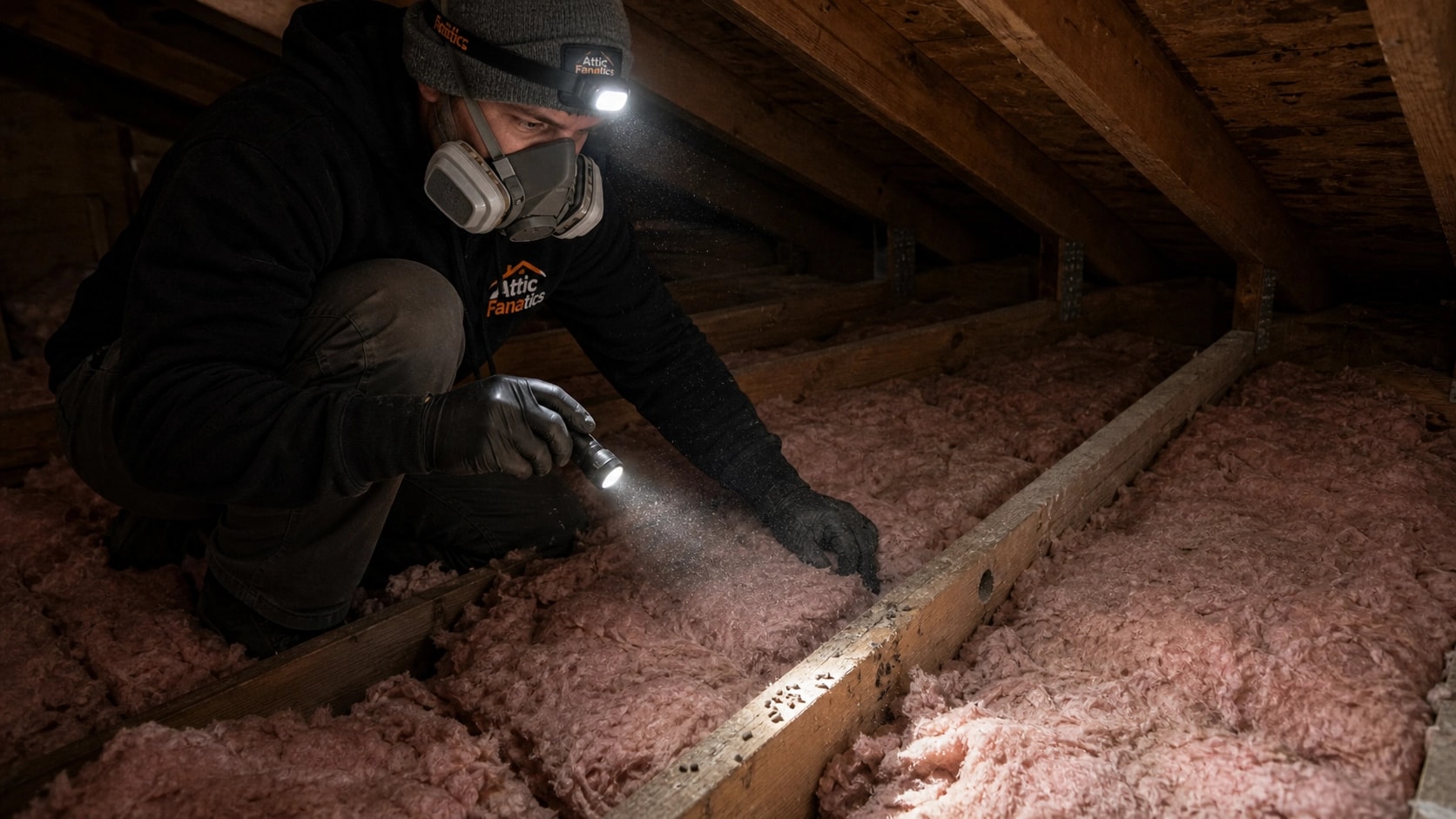
Where Barnegat Bay Waterfront Meets Post-Sandy Crawl Spaces
Toms River's rodent pressure comes from two directions: the waterfront and the woods. Rats thrive along the Barnegat Bay shoreline, the Toms River waterway, and in the storm sewer systems that drain the township's dense residential neighborhoods. The barrier peninsula sections like Ortley Beach, Normandy Beach, and Ocean Beach concentrate rodents near dumpsters, restaurants, and marina areas where food waste is abundant. House mice are the most common interior invader across Toms River's residential neighborhoods, nesting in wall voids, attic insulation, and behind kitchen appliances in the ranch homes, split-levels, and Cape Cods built primarily in the 1960s and 1970s. These aging homes often have gaps at sill plates, deteriorated weatherstripping, and utility penetrations that were never properly sealed. White-footed mice enter the picture in Toms River's western neighborhoods closer to the wooded interior of Ocean County. These woodland rodents are the most common wild mammal in New Jersey's forested areas, and they readily move into suburban homes when temperatures drop below 50 degrees, seeking warmth and nesting material in attics and garages.
Why Toms River?
Toms River's geography spans from the Barnegat Bay waterfront to inland wooded areas, creating habitat for both rats along the shoreline and sewer systems, and house mice and white-footed mice in the residential and wooded interior sections.
Rodent Species in Toms River
Most common rodent pest in Toms River
- roofline rodents (occasional, barrier peninsula sections)
- deer mice (western wooded neighborhoods)
- meadow voles (undeveloped parcels and field edges)
How to Know You Have Rodents in Toms River
Spot these warning signs before the problem gets worse
- 01
Scratching sounds from beneath floors in post-Sandy elevated homes, especially during cold snaps when bay-area temperatures drop below freezing
- 02
Droppings along garage walls and near exterior doors in ranch-style homes throughout mainland neighborhoods like Pleasant Plains and East Dover
- 03
Gnaw marks on PVC plumbing stubs visible in crawl spaces of elevated homes, particularly on the bay-facing side of the structure
- 04
Burrow holes along foundation walls where landscaping mulch meets the house in waterfront neighborhoods like Silverton and Gilford Park
Noticed any of these signs?
Rodents reproduce fast. A small problem today becomes a full infestation within weeks.
1960s Ranches, Sandy Elevations, and Salt-Corroded Exclusion Materials
Toms River's housing stock presents a layered rodent vulnerability problem. The original 1960s and 1970s ranch homes, split-levels, and Cape Cods have decades of settling that creates gaps at foundation-to-framing junctions. Many of these homes have attached garages with interior doors that lack proper door sweeps, a classic mouse highway into the living space. Post-Hurricane Sandy, thousands of homes were elevated above flood levels, creating new crawl spaces underneath that were never designed as living spaces and often lack proper screening at foundation vents and utility penetrations. Salt air from the Barnegat Bay and Atlantic Ocean corrodes galvanized metal screening and hardware cloth within a few years, meaning even properly installed exclusion materials degrade faster than in inland communities.
Common Entry Points
- Post-Sandy elevated foundation vents and crawl space access doors with inadequate or salt-corroded screening
- Deteriorated sill plates and rim joist gaps on 1960s-1970s ranch homes and Cape Cods with fifty-plus years of settling
- Salt-corroded galvanized mesh on soffit vents and gable vents within the coastal corrosion zone east of Route 9
- Garage-to-house interior door gaps on attached-garage split-level homes common throughout mainland neighborhoods
How Rodents Get Established
- Summer rental home on Ortley Beach sits vacant October through April; mice establish nesting colony in wall insulation before owner returns in May
- Post-Sandy elevated ranch in Gilford Park has open gaps around PVC plumbing stubs passing through the new crawl space floor, allowing rats access underneath the home
- Holiday City retirement community home with original 1960s construction has settled foundation creating quarter-inch gap along the entire sill plate, admitting house mice
- Silverton waterfront property near Silver Bay finds rats burrowing along the foundation where landscaping mulch meets the house, following the storm drain system from the bay
Toms River Rodent Case Study
Post-Sandy Elevated Ranch with Crawl Space Colony
01 The Problem
Homeowner in a post-Sandy elevated ranch heard scratching beneath the floor every night starting in November. The home had been raised eight feet after the 2012 storm, and the new crawl space was enclosed with concrete block and foundation vents. By December, the smell of rodent urine was noticeable in the first-floor bedrooms, and droppings were found in the HVAC ductwork that ran through the crawl space.
Location: Gilford Park
02 What We Discovered
Inspection revealed that three of the eight foundation vent screens had corroded through from salt air exposure in just four years. Rats had established burrows in the soil beneath the crawl space and were using the HVAC duct runs as highways throughout the underside of the home. Twelve active burrow openings were found along the exterior foundation, concentrated on the bay-facing side where storm drain outflow provided a water source.
03 The Solution
All foundation vent screens were replaced with stainless steel hardware cloth rated for coastal environments. Burrow openings were excavated and packed with concrete. HVAC duct connections were sealed with sheet metal and high-temperature silicone. A concrete apron was poured along the foundation perimeter to eliminate burrowing access. Snap traps and bait stations were deployed inside the crawl space during the active removal phase.
The Result
All rodent activity ceased within three weeks of exclusion completion. Follow-up inspection at 90 days confirmed no new entry attempts. Homeowner was advised on annual screening inspections due to the accelerated corrosion rate in the coastal environment.
Rodent Challenges Specific to Toms River
- 01
Post-Hurricane Sandy home elevations created thousands of new crawl spaces across the township that were never part of the original home design
- 02
Salt air from Barnegat Bay and the Atlantic corrodes galvanized metal exclusion materials in two to four years, requiring stainless steel alternatives
- 03
Seasonal vacancy of barrier peninsula rental properties from October to April allows rodent colonies to establish without detection
- 04
Storm sewer system draining to Barnegat Bay provides rat highway from waterfront into residential neighborhoods
- 05
Holiday City and other 55-plus communities have original 1960s construction with fifty-plus years of settling and gap formation
- 06
Barrier peninsula sections like Ortley Beach have high-density housing with shared walls and utility chases that let rodents move between units
Rodent Removal Service Areas in Toms River
We serve all Toms River neighborhoods and surrounding areas
Toms River Neighborhoods We Serve
- Ortley Beach
- Silverton
- Gilford Park
- Holiday City
- Pleasant Plains
- East Dover
- North Dover
- Bay Shore
- Normandy Beach
- Shelter Cove
ZIP Codes Served
- 08753
- 08754
- 08755
- 08756
- 08757
Rodent Removal in Nearby Cities
We Don't Use Poison
Most pest control companies will lay bait and leave. The rodents eat the poison, crawl into your walls, and die. Then you get the smell. That rotting-animal stench that seeps through drywall and can last for weeks.
Worse, poison doesn't fix the entry points. New rodents follow the same scent trails right back in. You end up on an endless cycle of baiting, dying, and stinking.
No Dead Rodents in Walls
Poison means carcasses you can't reach. We remove them alive.
No Recurring Bait Contracts
We seal entry points permanently. One visit, lasting results.
Exclusion-First Method
Find the gaps, seal the gaps, and document what was closed.
Google reviews
What homeowners say on Google.
The 6 most recent reviews from our Google listing, newest first, shown as written. Lower ratings are not filtered out.
4.9out of 5
291 reviews on Google
Rating checked October 9, 2026
Jamey L.
5 out of 5 stars
We had a great experience with Attic Fanatics! Reuben came out the next day after we called and we explained what we wanted done. We have a large, old attic, and he crawled around and looked and measured and gave us a quote while he was…
Ripal
5 out of 5 stars
I recently had my attic insulation replaced, and Attic Fanatics provided truly exceptional service. The entire process, from the initial estimate to project completion, was highly professional. Bryan conducted a thorough inspection,…
Antonio T.
5 out of 5 stars
Great Job nice cleanup we can already feel the difference totally recommend them.
David M.
5 out of 5 stars
Very happy with Attic Fanatics! Marlon was very thorough in terms of evaluating my attic for clean up after raccoon infestation and renewing it with all new insulation and sealing it and protecting it in the future. The team performing the…
Thomas M.
3 out of 5 stars
The attic work itself was done well. The crew worked hard, cleaned the space thoroughly, sealed and insulated properly, and the pricing was fair for the scope of work. From an attic/insulation standpoint, the end result looks very…
Harold W.
5 out of 5 stars
Had very good experience with attic fanatics. David in office, Marlon, field man and the installers who provided before and after job photos of my attic. All courteous and on time.
Reviews shown as pulled from Google on April 17, 2026. Newer reviews are on the Google listing.
Ready to talk about your home?
Get My Free InspectionTell us what's going on.
Free inspection. No obligation.