Rodent removal · Newark, NJ
Rodent Removal
Newark, NJ
Where 420 Miles of Aging Sewers Meet 200+ Ironbound Restaurants, Newark's Rodents Have It Made
With over 317,000 residents packed into 26 square miles at a density of 13,334 people per square mile, Newark is New Jersey's largest city and its most fertile ground for rodent populations. The combination of aging infrastructure, a massive transit hub at Penn Station, and one of the densest restaurant corridors in the state creates a year-round buffet for rats and house mice alike.
- Licensed & Insured
- No Poison. Ever.
- Whole-House Plan
- Exclusion-First Approach
The Sewer Rodent Capital of Essex County
Newark's rodent situation is dominated by one unavoidable fact: the city sits atop 420 miles of sewer collection mains, half of which are made of crumbling vitrified clay and another 20 percent of century-old brick. These deteriorating pipes, some dating to the late 1800s, are a highway system for rats, which travel freely beneath the city and emerge through cracked laterals, broken cleanout caps, and compromised foundation joints. The city has 17 combined sewer overflow structures and 12 CSO outfalls along the Passaic River, meaning storm events flush rodents from their underground burrows and push them toward residential properties. The Ironbound district, with over 200 restaurants, bakeries, and markets concentrated along Ferry Street alone, generates enormous volumes of food waste nightly. Dumpsters behind Portuguese steakhouses, Brazilian churrascarias, and Spanish tapas bars provide a dependable food source that sustains dense rodent colonies in the adjacent rowhouse blocks. Meanwhile, house mice thrive inside the tightly packed two- and three-family homes that make up 60 percent of Ironbound housing stock, exploiting shared walls and aging utility penetrations to move between units unseen. Newark is one of the few municipalities in New Jersey with a dedicated Rodent Control Bureau, which conducts block-by-block surveys to assess infestation levels and sanitation conditions. That this bureau exists at all tells you something about the scale of the problem. Port Newark and Newark Liberty International Airport to the south add another dimension, with cargo containers and warehouse districts providing additional harborage for both mice and other rodents.
Why Newark?
Newark's 420-mile combined sewer system, much of it built from crumbling vitrified clay and brick, provides rats with an unrivaled underground transit network connecting every neighborhood in the city
Rodent Species in Newark
Most common rodent pest in Newark
- house mice
- deer mice
How to Know You Have Rodents in Newark
Spot these warning signs before the problem gets worse
- 01
Greasy rub marks along basement foundation walls near sewer cleanouts, indicating rat travel routes from the sewer system
- 02
Burrow holes with fresh soil displacement along exterior foundation walls in alley-facing sides of Ironbound rowhouses
- 03
Gnaw marks on wooden floor joists in basements of pre-war North Ward homes where rodents access crawlspaces above
- 04
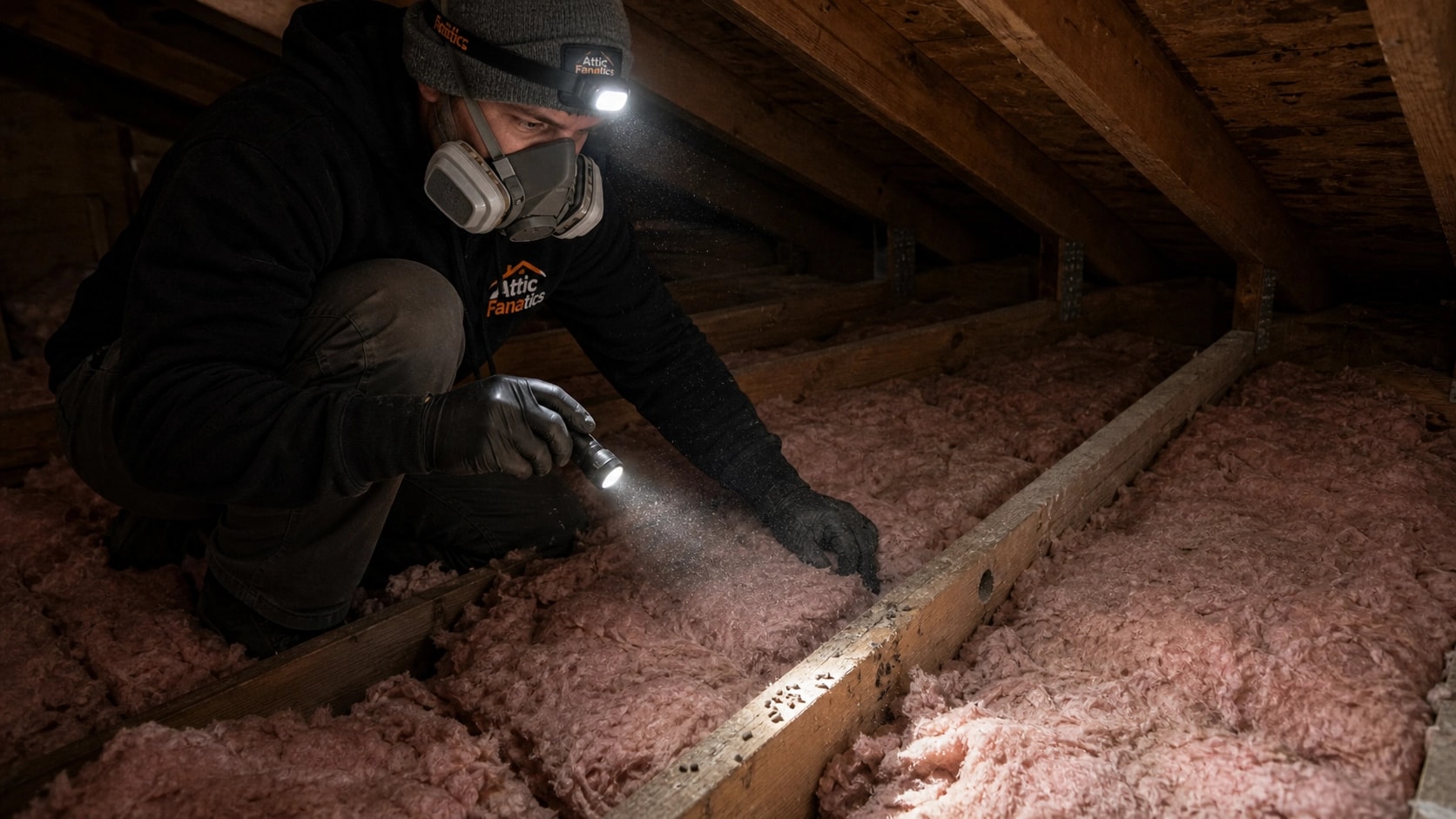
Droppings concentrated near water heaters and utility connections in basements, where warmth and pipe penetrations attract rodents during cold months
Noticed any of these signs?
Rodents reproduce fast. A small problem today becomes a full infestation within weeks.
Century-Old Rowhouses and Shared Walls: Newark's Rodent Entry Problem
Newark's housing stock tells the story of a city built in waves: Victorian-era homes in Forest Hill and Roseville, early 1900s rowhouses throughout the Ironbound and Central Ward, post-war multi-family buildings in the South and West Wards. Across all eras, the dominant construction features tight lot lines, shared party walls, and minimal setbacks from sidewalks, meaning rodents foraging along streets and alleys are never far from a potential entry point. The Ironbound's characteristic two- and three-family rowhouses, many clad in aluminum siding over original wood, develop gaps at the siding-to-foundation junction that go unnoticed for years. In the North Ward, older single-family homes with fieldstone and rubble foundations offer gaps that even a young rodent can squeeze through.
Common Entry Points
- Cracked vitrified clay sewer laterals beneath foundations that allow rodents direct underground access into basements
- Gaps at aluminum siding-to-foundation junctions on Ironbound rowhouses where original wood cladding has been covered over
- Deteriorated mortar joints in century-old brick foundations throughout the North Ward and Central Ward
- Shared party wall utility penetrations in multi-family rowhouses where plumbing and electrical chases connect units
How Rodents Get Established
- Restaurant grease and food waste in Ironbound alley dumpsters draw rats that burrow under adjacent rowhouse foundations and enter basements through cracked sewer laterals
- Heavy rainstorms overwhelm combined sewers, flushing rodents from underground burrows into South Ward basements through floor drains and broken cleanout caps
- House mice enter Forest Hill Victorians through gaps around original gas line penetrations that were never properly sealed when homes converted to modern heating
- Multi-family homes in the Central Ward experience mice moving between units through shared plumbing chases and unsealed party wall penetrations
Newark Rodent Case Study
The Ferry Street Rodent Highway
01 The Problem
A homeowner in a three-family rowhouse on a side street off Ferry Street reported scratching sounds in the basement ceiling and droppings near the water heater. The tenant in the ground-floor unit had also seen a large rodent in the backyard near the trash enclosure. The property shared a rear alley with three restaurants.
Location: North Ironbound
02 What We Discovered
Inspection revealed a classic Ironbound scenario: the alley behind the property was flanked by restaurant dumpsters with grease residue on the pavement. rat burrows were visible along the foundation wall facing the alley, with fresh soil displacement and rub marks at the entry holes. In the basement, the cast-iron sewer cleanout cap was cracked, providing direct access from the sewer lateral. Approximately 40 droppings were found along the basement perimeter walls, concentrated near the water heater and a stored bag of birdseed. Gnaw marks were visible on the wooden joists above the basement ceiling.
03 The Solution
A combination of snap traps and bait stations was deployed in the basement and along the exterior foundation wall. The cracked sewer cleanout was replaced with a sealed brass cap. Three foundation-level burrow entries were excavated and packed with copper mesh before being sealed with hydraulic cement. The gap between the aluminum siding and the concrete foundation was closed with galvanized steel flashing along the full rear wall. The homeowner was advised on proper trash enclosure protocols for the shared alley.
The Result
Trapping removed seven rats over two weeks. Post-exclusion monitoring over 60 days showed no new activity. The sealed sewer cleanout and foundation repairs eliminated the underground access route, and the steel flashing closed the siding gap that had been the primary above-ground entry point.
Rodent Challenges Specific to Newark
- 01
420 miles of aging combined sewers, half vitrified clay and 20% brick, give rats an underground highway system connecting every neighborhood
- 02
Over 200 restaurants and food establishments along Ferry Street in the Ironbound create a concentrated, year-round food source for rodent colonies
- 03
Newark's Rodent Control Bureau conducts block-by-block surveys, but enforcement relies on property owner compliance with ratproofing ordinances
- 04
Combined sewer overflow events during heavy rain flush rodents from underground burrows into basements and ground-floor units across the city
- 05
Port Newark and airport-adjacent warehouse districts in the South Ward provide large-scale harborage that seeds rodent populations into neighboring residential areas
- 06
Dense multi-family rowhouse construction with shared party walls allows mice to spread between units through common plumbing and electrical chases
Rodent Removal Service Areas in Newark
We serve all Newark neighborhoods and surrounding areas
Newark Neighborhoods We Serve
- Ironbound
- Forest Hill
- Roseville
- Weequahic
- Clinton Hill
- University Heights
- North Ward
- Central Ward
- Dayton
- Vailsburg
ZIP Codes Served
- 07102
- 07103
- 07104
- 07105
- 07106
- 07107
- 07108
- 07112
- 07114
Rodent Removal in Nearby Cities
We Don't Use Poison
Most pest control companies will lay bait and leave. The rodents eat the poison, crawl into your walls, and die. Then you get the smell. That rotting-animal stench that seeps through drywall and can last for weeks.
Worse, poison doesn't fix the entry points. New rodents follow the same scent trails right back in. You end up on an endless cycle of baiting, dying, and stinking.
No Dead Rodents in Walls
Poison means carcasses you can't reach. We remove them alive.
No Recurring Bait Contracts
We seal entry points permanently. One visit, lasting results.
Exclusion-First Method
Find the gaps, seal the gaps, and document what was closed.
Google reviews
What homeowners say on Google.
The 6 most recent reviews from our Google listing, newest first, shown as written. Lower ratings are not filtered out.
4.9out of 5
291 reviews on Google
Rating checked October 9, 2026
Jamey L.
5 out of 5 stars
We had a great experience with Attic Fanatics! Reuben came out the next day after we called and we explained what we wanted done. We have a large, old attic, and he crawled around and looked and measured and gave us a quote while he was…
Ripal
5 out of 5 stars
I recently had my attic insulation replaced, and Attic Fanatics provided truly exceptional service. The entire process, from the initial estimate to project completion, was highly professional. Bryan conducted a thorough inspection,…
Antonio T.
5 out of 5 stars
Great Job nice cleanup we can already feel the difference totally recommend them.
David M.
5 out of 5 stars
Very happy with Attic Fanatics! Marlon was very thorough in terms of evaluating my attic for clean up after raccoon infestation and renewing it with all new insulation and sealing it and protecting it in the future. The team performing the…
Thomas M.
3 out of 5 stars
The attic work itself was done well. The crew worked hard, cleaned the space thoroughly, sealed and insulated properly, and the pricing was fair for the scope of work. From an attic/insulation standpoint, the end result looks very…
Harold W.
5 out of 5 stars
Had very good experience with attic fanatics. David in office, Marlon, field man and the installers who provided before and after job photos of my attic. All courteous and on time.
Reviews shown as pulled from Google on April 17, 2026. Newer reviews are on the Google listing.
Ready to talk about your home?
Get My Free InspectionTell us what's going on.
Free inspection. No obligation.