
Rodent removal · Trenton, NJ
Rodent Removal
Trenton, NJ
350 Years of Architecture Means 350 Years of Rodent Entry Points
Trenton is New Jersey's capital city with approximately 90,000 residents living in a dense urban landscape that dates to 1679. The city's building stock spans colonial-era structures through Victorian row houses to early twentieth-century multi-family dwellings, approximately seventy percent of North Trenton's buildings were constructed between 1919 and 1940. This aging infrastructure, combined with the Delaware River waterfront, the Assunpink Creek corridor, and a century-old sewer system, creates conditions where rats have been entrenched for generations.
- Licensed & Insured
- No Poison. Ever.
- Whole-House Plan
- Exclusion-First Approach
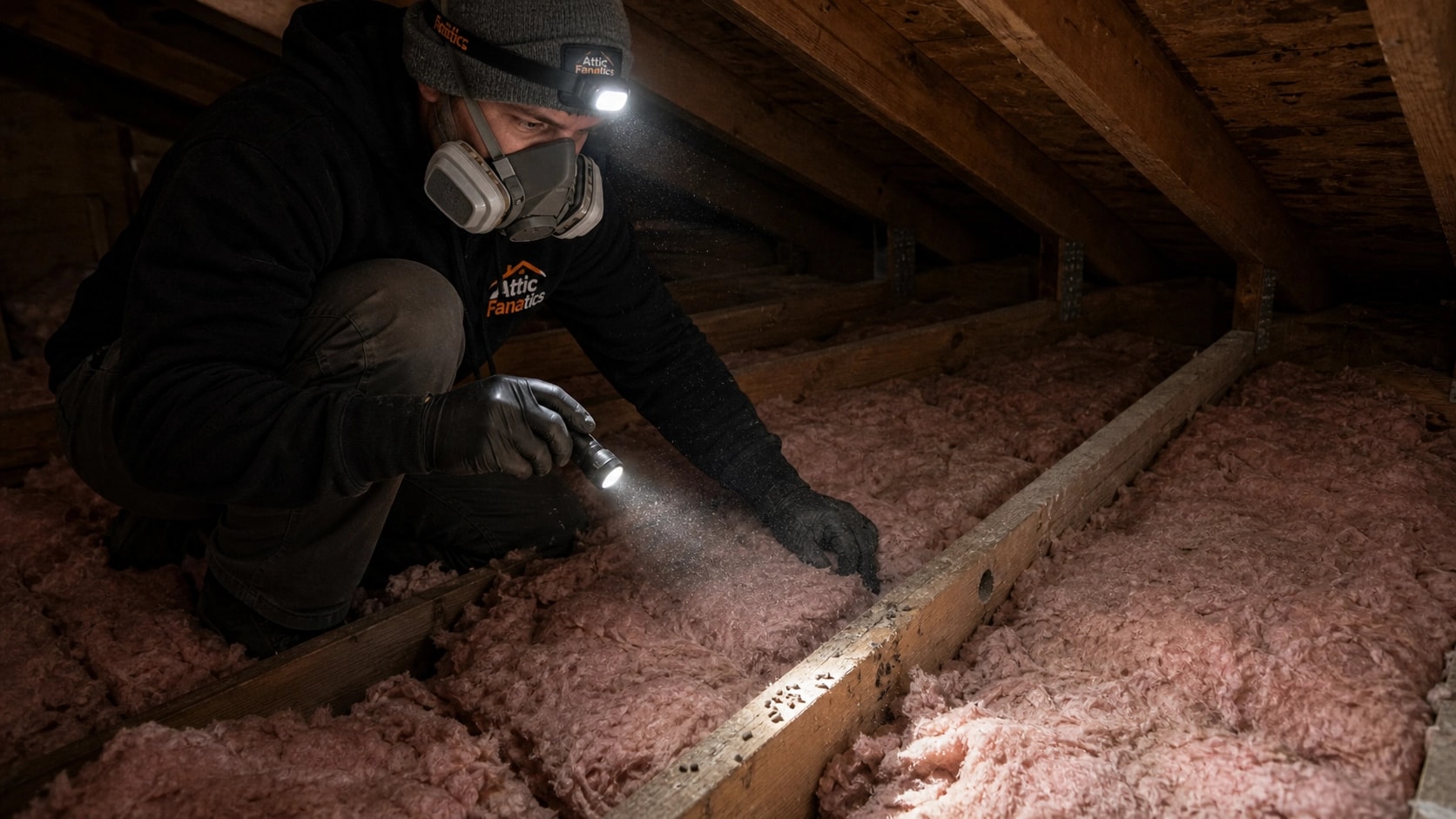
Capital City Rodents: Entrenched in Colonial Infrastructure and Aging Sewers
Trenton is prime rodent territory. The city's combination of aging sewer infrastructure, the Delaware River waterfront, the Assunpink Creek floodplain, and dense urban construction creates ideal conditions for the classic sewer-dwelling rodent. These rodents have been established in Trenton's underground infrastructure for well over a century, traveling through storm drains and sewer lines that connect the entire city. They surface through damaged manhole covers, broken sewer laterals, and compromised foundation walls in the city's oldest neighborhoods. House mice are the primary interior pest across Trenton's residential neighborhoods, exploiting the accumulated gaps and deterioration in buildings that range from 80 to over 300 years old. Victorian-era row houses in neighborhoods like Mill Hill and Chambersburg have shared party walls with gaps that have widened over decades of settling, letting mice move freely between connected buildings. The Queen Anne and Edwardian row houses near the Trenton Battle Monument still retain their original architectural details, and their original rodent vulnerabilities. The Delaware River waterfront and Assunpink Creek corridor provide natural water sources that sustain rodent populations year-round. Urban food waste from downtown restaurants, the Trenton Farmers Market area, and residential neighborhoods provides the caloric support for a large and persistent rodent population.
Why Trenton?
Trenton's century-old sewer system, Delaware River waterfront, Assunpink Creek corridor, and dense urban infrastructure create ideal conditions for rats, which have been established in the city's underground systems for generations.
Rodent Species in Trenton
Most common rodent pest in Trenton
- house mice (residential neighborhoods, Victorian row houses)
- roofline rodents (occasional, older multi-story commercial buildings near downtown)
How to Know You Have Rodents in Trenton
Spot these warning signs before the problem gets worse
- 01
Rodent burrows along building foundations where sidewalks have settled away from walls, particularly in commercial corridors and near restaurant dumpsters downtown
- 02
Grease marks along basement walls and floor joists indicating established rat travel paths from sewer lateral connections in pre-war buildings
- 03
Mouse droppings appearing in upper-floor units of pre-war walk-up buildings, indicating vertical travel through balloon-frame wall cavities from basement to attic
- 04
Fresh mortar crumbling or displacement in row house party walls at the basement level, suggesting rodent gnawing or burrowing through deteriorated joints between connected properties
Noticed any of these signs?
Rodents reproduce fast. A small problem today becomes a full infestation within weeks.
Victorian Row Houses and Pre-War Multi-Family Buildings With Generations of Gaps
Trenton's housing vulnerability is a function of time. The city's building stock includes structures from every era of American construction, and each era brings different rodent entry challenges. Colonial-era buildings in the Mill Hill Historic District have stone and brick foundations with mortar joints that have been deteriorating for over two centuries. Victorian row houses in Chambersburg and near the Battle Monument feature shared party walls where brick mortar has crumbled, creating continuous rodent highways through entire blocks of connected buildings. The pre-war multi-family buildings that make up the majority of North Trenton's housing stock, seventy percent built between 1919 and 1940, have balloon-frame construction where wall cavities run unobstructed from the basement to the attic, giving rodents vertical access through the entire structure. Basement utility rooms in these buildings often have floor drains connected to aging sewer laterals that provide direct rodent access from the city's underground sewer system.
Common Entry Points
- Crumbled mortar joints in Victorian-era brick row house foundations and shared party walls throughout Chambersburg and Mill Hill
- Broken or deteriorated sewer lateral connections in basement floor drains of pre-war multi-family buildings across North Trenton
- Balloon-frame wall cavities in 1920s-1940s construction that provide unobstructed basement-to-attic rodent access in multi-story buildings
- Gaps around steam pipe and radiator penetrations through floors in older buildings with original cast-iron heating systems
How Rodents Get Established
- Chambersburg row house discovers rats entering the basement through a cracked sewer lateral beneath the floor drain, following the century-old connection to the city main
- Mill Hill Historic District Victorian home finds mice traveling through the shared party wall from a vacant neighboring property where no one has maintained rodent exclusion
- North Trenton pre-war apartment building has mice in every unit because balloon-frame walls let them travel vertically from the basement to the third floor through unblocked wall cavities
- East Trenton commercial building on a block with active restaurants finds rats burrowing along the foundation where the sidewalk has settled away from the building wall
Trenton Rodent Case Study
Victorian Row House Block with Shared-Wall Rodent Migration
01 The Problem
A row house owner in Chambersburg reported rodents in the basement for over a year despite repeated trapping. The rodents would disappear for a few weeks after treatment, then return. Droppings were found along the basement walls, in the first-floor kitchen behind the stove, and in the second-floor bathroom where old cast-iron pipes penetrated the floor. The home shared party walls with two adjacent row houses, one of which was a rental property with irregular maintenance.
Location: Chambersburg
02 What We Discovered
Inspection identified three entry points: a cracked clay sewer lateral beneath the basement floor drain providing direct access from the city sewer, deteriorated mortar joints in the shared party wall allowing rodents to travel from the adjacent rental property, and a two-inch gap around the main sewer stack where it passed through the basement floor slab. The adjacent rental property had an open basement window well that was serving as a primary entry point for the entire row of connected homes.
03 The Solution
The cracked sewer lateral was lined with a cured-in-place pipe repair. Mortar joints in both accessible party walls were repointed with hydraulic cement. The gap around the sewer stack was sealed with a stainless steel escutcheon plate and hydraulic cement collar. Cast-iron pipe penetrations through upper floors were sealed with steel wool and fire-rated caulk. The property owner coordinated with the adjacent landlord to seal the open basement window well with a steel grate and heavy-gauge screen.
The Result
Rodent activity ceased within the home after exclusion work was completed. The coordinated approach with the neighboring property was critical, previous treatments had failed because rodents simply re-entered through the shared party wall from the adjacent building. Quarterly monitoring confirmed sustained exclusion through the following year.
Rodent Challenges Specific to Trenton
- 01
Building stock spanning 1679 to present means every era of construction vulnerability exists simultaneously within the city
- 02
Connected Victorian row houses allow rodents to travel through shared party walls across entire city blocks, requiring multi-property coordination for effective exclusion
- 03
Century-old clay sewer laterals beneath aging buildings provide direct rat access from the city sewer system into basements
- 04
Delaware River waterfront and Assunpink Creek floodplain sustain year-round rodent populations with reliable water sources and burrowing habitat
- 05
Balloon-frame construction in pre-war multi-family buildings allows mice unrestricted vertical travel from basement to attic through open wall cavities
- 06
High percentage of rental and vacant properties in some neighborhoods means rodent exclusion on one property is compromised by unmaintained adjacent buildings
Rodent Removal Service Areas in Trenton
We serve all Trenton neighborhoods and surrounding areas
Trenton Neighborhoods We Serve
- Chambersburg
- Mill Hill
- North Trenton
- East Trenton
- West Ward
- South Trenton
- Downtown
- Hiltonia
- Villa Park
- Stuyvesant Heights
ZIP Codes Served
- 08608
- 08609
- 08610
- 08611
Rodent Removal in Nearby Cities
We Don't Use Poison
Most pest control companies will lay bait and leave. The rodents eat the poison, crawl into your walls, and die. Then you get the smell. That rotting-animal stench that seeps through drywall and can last for weeks.
Worse, poison doesn't fix the entry points. New rodents follow the same scent trails right back in. You end up on an endless cycle of baiting, dying, and stinking.
No Dead Rodents in Walls
Poison means carcasses you can't reach. We remove them alive.
No Recurring Bait Contracts
We seal entry points permanently. One visit, lasting results.
Exclusion-First Method
Find the gaps, seal the gaps, and document what was closed.
Google reviews
What homeowners say on Google.
The 6 most recent reviews from our Google listing, newest first, shown as written. Lower ratings are not filtered out.
4.9out of 5
291 reviews on Google
Rating checked October 9, 2026
Jamey L.
5 out of 5 stars
We had a great experience with Attic Fanatics! Reuben came out the next day after we called and we explained what we wanted done. We have a large, old attic, and he crawled around and looked and measured and gave us a quote while he was…
Ripal
5 out of 5 stars
I recently had my attic insulation replaced, and Attic Fanatics provided truly exceptional service. The entire process, from the initial estimate to project completion, was highly professional. Bryan conducted a thorough inspection,…
Antonio T.
5 out of 5 stars
Great Job nice cleanup we can already feel the difference totally recommend them.
David M.
5 out of 5 stars
Very happy with Attic Fanatics! Marlon was very thorough in terms of evaluating my attic for clean up after raccoon infestation and renewing it with all new insulation and sealing it and protecting it in the future. The team performing the…
Thomas M.
3 out of 5 stars
The attic work itself was done well. The crew worked hard, cleaned the space thoroughly, sealed and insulated properly, and the pricing was fair for the scope of work. From an attic/insulation standpoint, the end result looks very…
Harold W.
5 out of 5 stars
Had very good experience with attic fanatics. David in office, Marlon, field man and the installers who provided before and after job photos of my attic. All courteous and on time.
Reviews shown as pulled from Google on April 17, 2026. Newer reviews are on the Google listing.
Ready to talk about your home?
Get My Free InspectionTell us what's going on.
Free inspection. No obligation.